Raising iron starts with diet, but it depends just as much on absorption. Not all the iron you eat reaches your blood (Camaschella 2015). According to the Dutch Voedingscentrum, iron from animal products is usually absorbed better than plant iron. I think that difference is often underrated, because you can eat well and still take in too little iron.
This article expands on the overview about anaemia and iron deficiency, looking at diet and absorption.
Where is iron found?
| Source | Examples | Absorption |
|---|---|---|
| Animal iron | Red meat, poultry, fish | Usually better absorbed |
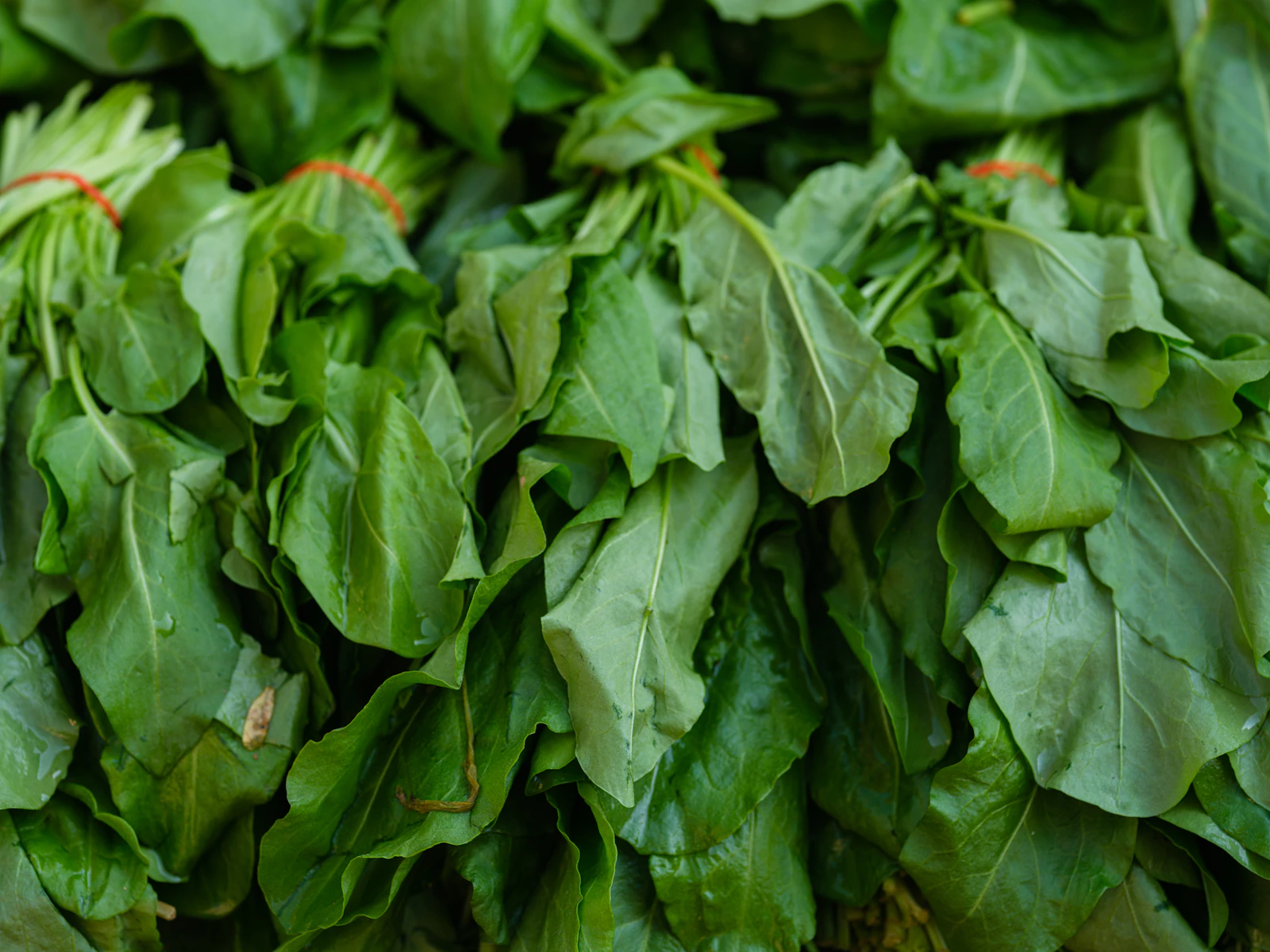
| Plant iron | Legumes, whole grains, greens | Variable, often less absorbed |
If you eat plant-based, it helps to watch the combinations. Plant iron is certainly usable, but absorption is more sensitive to what you eat and drink alongside it.
What affects absorption?
Vitamin C, for example from fruit or peppers, can help absorption of plant iron. Coffee and tea can slow it if you drink them with the meal. A concrete example: a plate of lentils with peppers and a glass of water likely yields more usable iron than the same plate with a big mug of tea. These are general principles, not treatment advice.
Can you fix a deficiency with diet?
Partly. Diet is a good base to keep iron up, but with a clear deficiency it works slowly. Your ferritin does not refill in a few days. If blood loss is involved, the cause matters more than the plate. See iron deficiency in women, or, if your Hb is normal, iron deficiency without anaemia.
Watch for too much iron too
More is not always better. Too much iron, for example from unnecessary supplements, is not desirable. Read about the other side in too much iron and haemochromatosis.
Which blood values track your iron?
Ferritin gives the best view of your store, with haemoglobin. Because ferritin changes slowly, testing too often adds little.
What can you do?
To get a starting point, you can have your iron status tested at Vitalcheck. If your value is low, discuss with your GP whether diet alone is enough.
References
- Camaschella C. Iron-deficiency anemia. N Engl J Med. 2015. PMID: 25946282.
- Pasricha SR, et al. Iron deficiency. Lancet. 2021. PMID: 33285139.
- Voedingscentrum. Iron.
Every blood test result includes a professional assessment from a BIG-registered doctor. For treatment decisions, discuss your results with your GP.
Author
Vitalcheck
Dr. Naimi, BIG-registered physician, oversees the medical standards behind our content and assessments. Read our medical policy