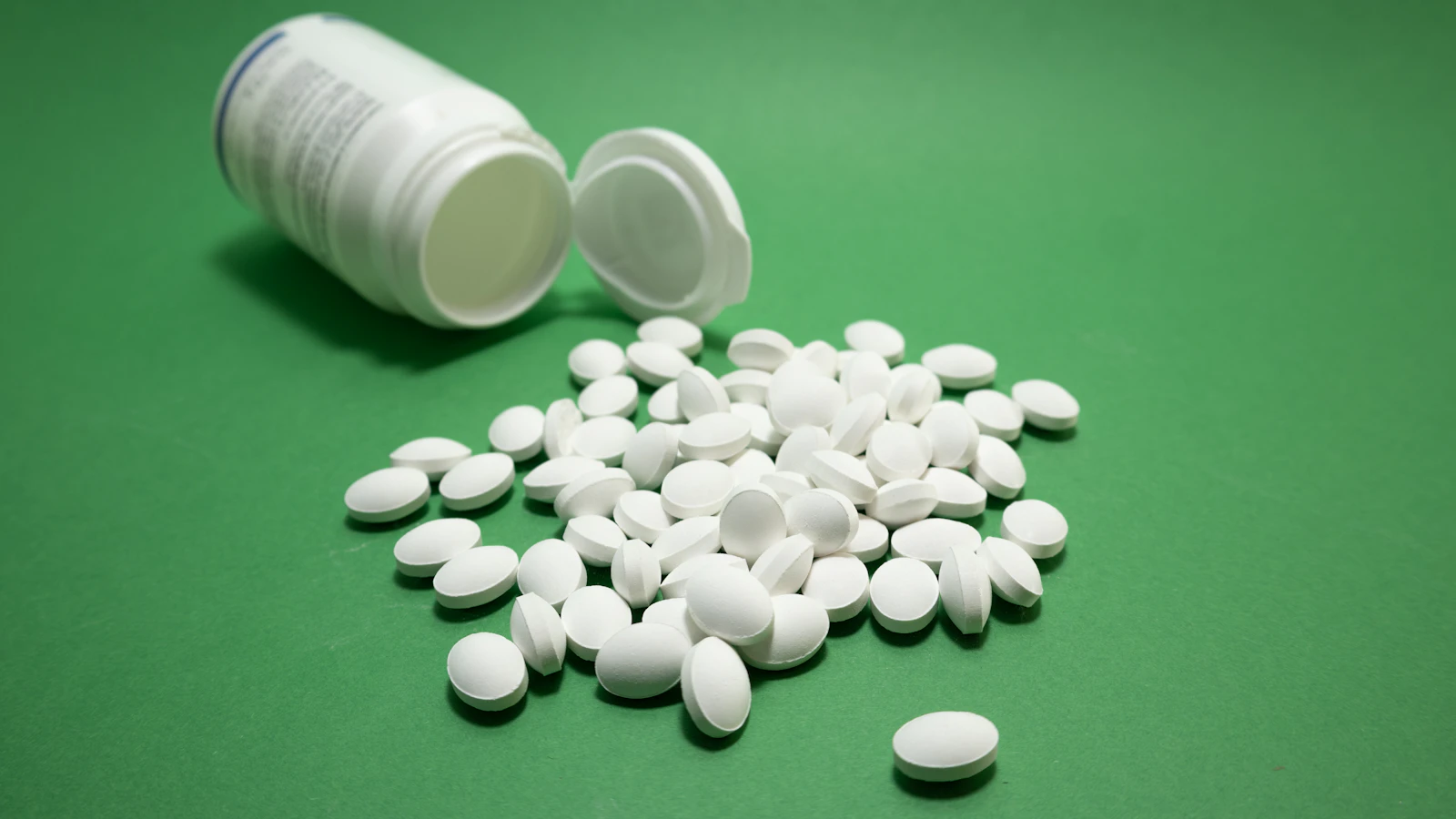
Your B12 is low, and the first question that comes up is almost always the same: tablets or those injections at the GP? Online you will find firm opinions in both camps, but the honest truth is that there is no universal answer. Which form fits depends on what is causing your deficiency, not on how serious it sounds.
My view: the cause determines the solution. If your deficiency comes from your diet, injections are usually unnecessary. If an absorption problem is behind it, they make sense.
Which approach fits which cause?
The right choice depends on the cause and the severity. Always discuss the choice with your GP.
| Situation | Usually suitable approach | Why |
|---|---|---|
| Dietary deficiency (e.g. veganism) | Tablets or melt tablets | Absorption still works normally |
| Absorption problem (e.g. pernicious anaemia) | Injections | Gut absorption is disrupted |
| After stomach surgery | Injections or high oral dose | Intrinsic factor is often missing |
| Mild deficiency, unclear cause | Tablets, then recheck | Simple and easy to follow |
For mild deficiencies, oral supplements (cyanocobalamin or methylcobalamin) are usually enough, including at higher doses. For severe deficiencies or a genuine absorption problem, the doctor prescribes injections.
How do you know whether to supplement?
Before you start supplementing, it is worth knowing whether there really is a deficiency and where it comes from. A B12 deficiency can show up as fatigue, tingling in hands and feet, concentration problems and sometimes low mood. Those complaints are not specific, so a blood value gives clarity. The NHG (Dutch College of General Practitioners) notes that the symptoms are broad and that supplementing only makes sense with a confirmed deficiency. So do not start injections on a hunch when tablets and a recheck could work just as well.
Dosing and rechecking
The right dose and duration depend on your situation and are set by your doctor. A few general principles help explain what happens:
- High oral doses are partly absorbed through passive diffusion even without intrinsic factor, which is why tablets often work even with mild absorption problems.
- Injections usually begin with a loading schedule, followed by maintenance doses at fixed intervals.
- Rechecking your blood value after a few months shows whether the approach works and whether you can taper or should continue.
The goal is not only to normalise your blood value, but also to stop an absorption problem from going unnoticed. That is why a persistently low B12 always warrants a conversation about the underlying cause.
Where do you find vitamin B12?
Vitamin B12 occurs almost exclusively in animal products. Plant foods naturally contain no reliable B12, which is why supplementation for vegans, according to the Voedingscentrum (Netherlands Nutrition Centre), is not a luxury but a necessity.
- Meat and organ meat: beef, liver
- Fish and shellfish: salmon, mackerel, mussels
- Eggs and dairy: milk, cheese, yoghurt
- Fortified products: some plant drinks and meat substitutes
How long does replenishing take?
Your blood value often recovers within 6 to 8 weeks. Nerve complaints such as tingling can take longer, sometimes months, and with a prolonged deficiency are not always fully reversible. That is why early replenishment matters. Read more about the symptoms and risk groups of a vitamin B12 deficiency.
Can you take too much B12?
Vitamin B12 is water-soluble, and your body excretes a surplus through urine. Toxicity from supplements is barely described, even at high doses. Still, it is wise to supplement based on a confirmed deficiency rather than on a hunch, if only because you could otherwise miss an underlying cause.
Frequently asked questions
Do tablets work as well as injections?
For a dietary deficiency, yes. High oral doses are partly absorbed even without intrinsic factor. For a genuine absorption problem, injections give more certainty. Your doctor decides what fits.
Do I have to take B12 for life?
That depends on the cause. With veganism or a permanent absorption problem, long-term supplementation is needed. With a temporary cause, it can be temporary.
What is the difference between methyl- and cyanocobalamin?
Both are forms of vitamin B12 that your body can use. Cyanocobalamin is the most studied and stable form and is widely prescribed. Methylcobalamin is an active form that is sometimes advised. For most people both work well; more important than the form is that you dose adequately and that the cause of your deficiency is known.
Does folate affect B12?
Yes, a high intake of folate can mask a B12 deficiency. That is why they are often assessed together. The NHG (Dutch College of General Practitioners) advises doctors to weigh both values when in doubt.
How quickly do you notice improvement after supplementing?
That varies by complaint. Fatigue can ease within a few weeks as your blood formation recovers, while tingling and other nerve complaints often improve more slowly, sometimes over months. Patience is normal here. If you notice no improvement at all after the expected time, discuss it with your doctor, because sometimes more is going on than a B12 deficiency alone.
Want to measure your vitamin B12? A B vitamins panel maps B12 and folate together, or build a custom blood test. Every result at Vitalcheck is reviewed by a registered doctor. A blood value is not a diagnosis: discuss symptoms and treatment with your GP.
Sources
- Thuisarts.nl / NHG. Vitamin B12: what if you have too little? Accessed 2026.
- Gezondheidsraad (Health Council of the Netherlands). Dietary reference values for vitamins and minerals. 2018.
- Voedingscentrum (Netherlands Nutrition Centre). Vitamin B12. Accessed 2026.
Autor
Vitalcheck
Dr. Naimi, lekarz wpisany do holenderskiego rejestru BIG, nadzoruje standardy medyczne naszych treści i ocen. Przeczytaj naszą politykę medyczną