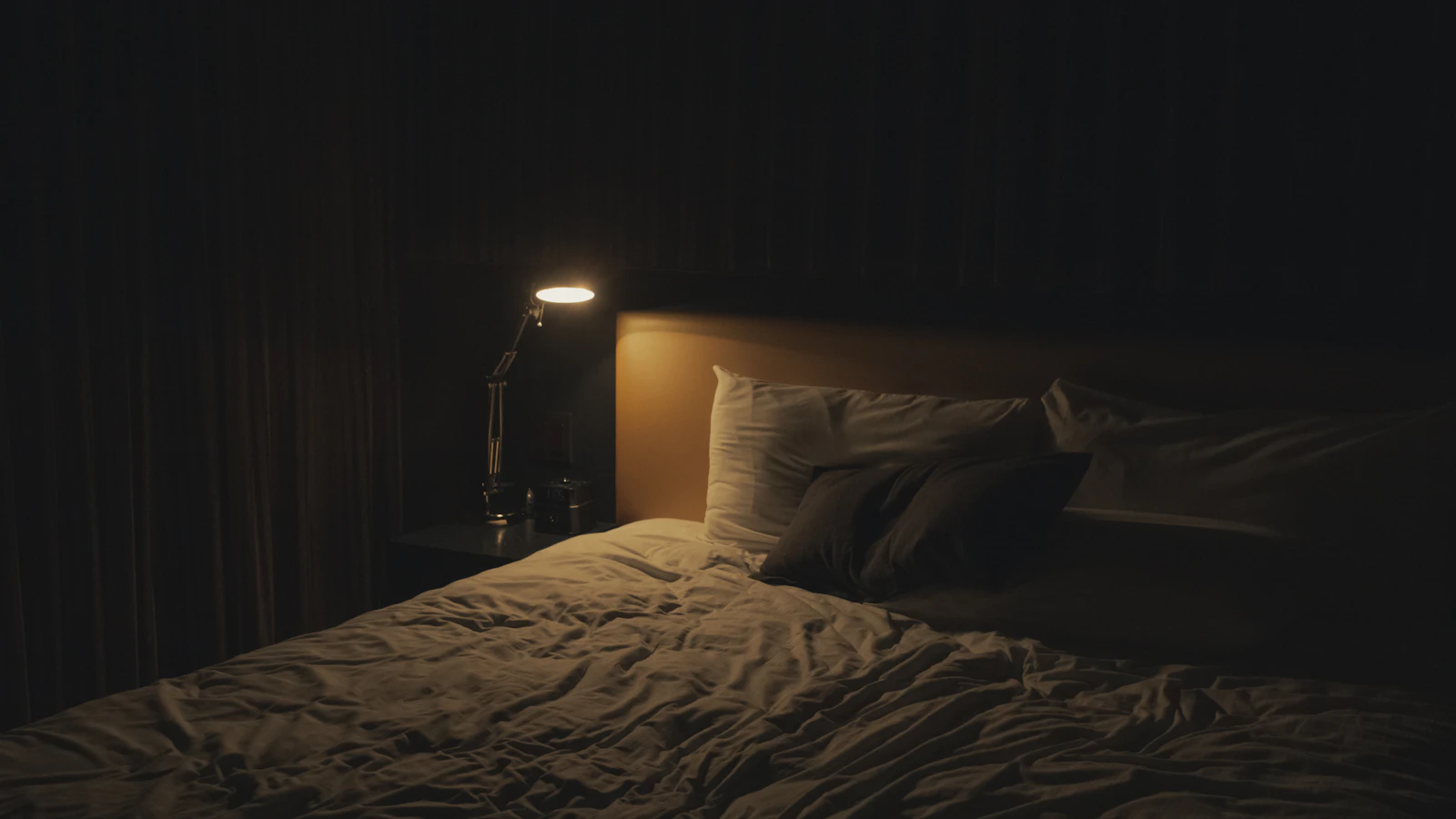
Heart palpitations at night rarely mean something goes wrong with your heart at night. The night usually doesn't cause the symptoms, it makes them audible: without distraction, in a silent room, you feel beats that go unnoticed during the day. The real triggers often sit in the hours before: alcohol, coffee, tension or a short night earlier that week.
I find this the meanest variant of palpitations. Not because it's more dangerous, but because it wrecks your sleep, and fear hits twice as hard at night.
Why do you feel palpitations precisely at night?
Three things come together in bed: it's quiet, you lie still and you have nothing to do. During the day a skipped beat drowns in stimuli; at 23:14 in a dark room your heartbeat is suddenly the only sound. On top of that, lying on your left side puts your heart closer to the chest wall, so you literally feel every beat better.
There's a physical side too. While falling asleep your nervous system shifts from active to rest, and that handover isn't always smooth. A single spike of adrenaline at the wrong moment then feels like a thud.
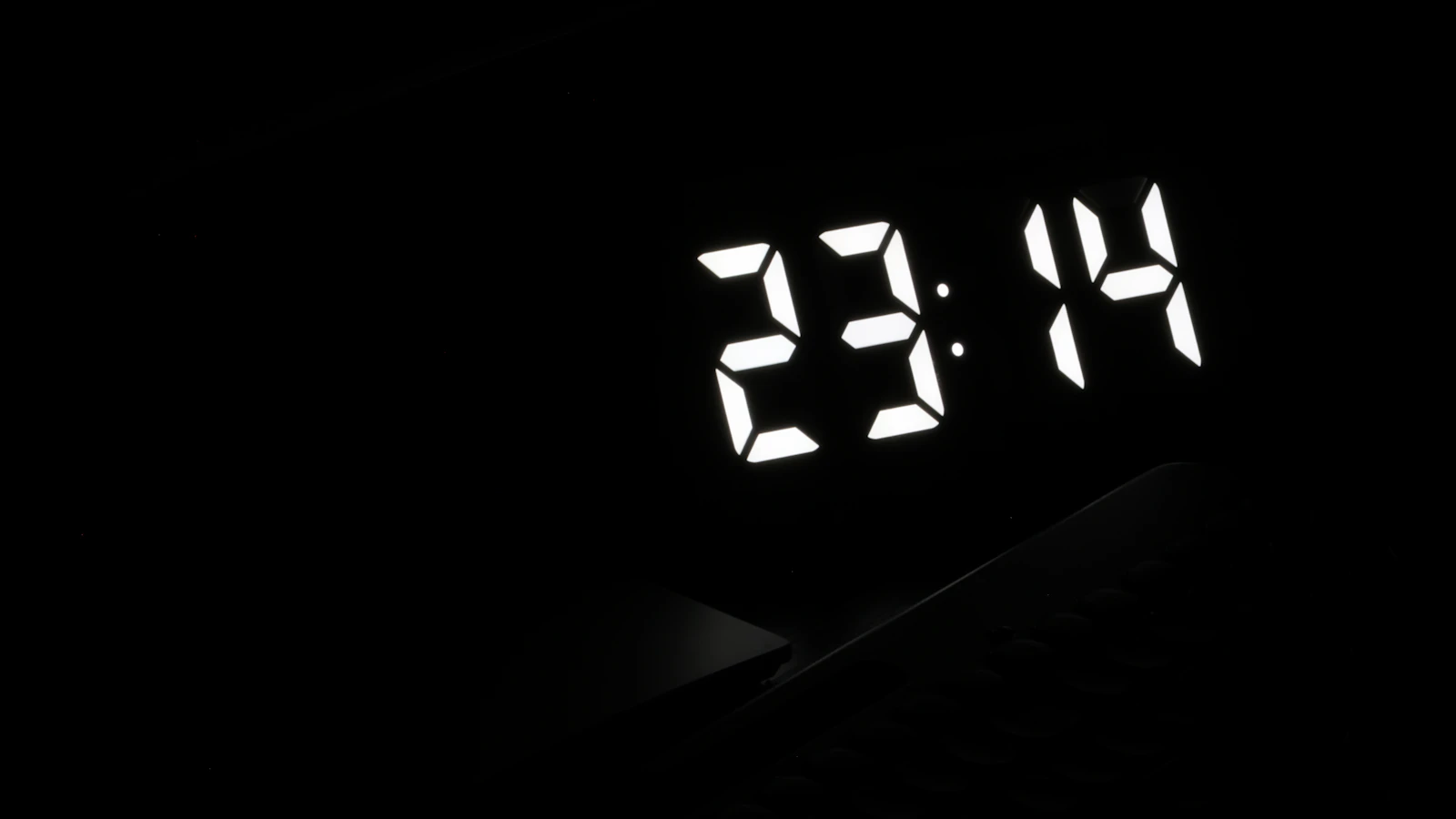
Waking up with a pounding heart: what's happening?
If you wake in the middle of the night with a racing or pounding heart, look at the evening before first. Alcohol is the classic: it sedates at first, but three to four hours after falling asleep the balance flips and your heart rate rebounds, right around the moment you startle awake. Late coffee, a heavy meal, a stress dream or a blood sugar dip can be the alarm clock too.
That alcohol link is solidly documented. A review in JACC shows alcohol raises the risk of rhythm disturbances even at modest amounts (Voskoboinik, 2016). There's more in the article on palpitations after alcohol.
Caffeine works more subtly but longer than people think. EFSA works with a half-life of several hours, so a double espresso at 4 pm is still half active at 11 pm (EFSA, 2015).
Which blood values can play a role in night-time palpitations?
Blood values won't tell you what happened at 3 am, but they can show whether an underlying driver exists. An overactive thyroid makes nights restless, a low haemoglobin makes your heart pump harder, and a disturbed day-night rhythm can show up in your cortisol pattern.
| Night pattern | Possible driver | Value to discuss |
|---|---|---|
| Startling awake around 3 am after an evening of drinks | Alcohol rebound | Magnesium, potassium |
| Restless every night, even without a reason | Thyroid | TSH and free T4 |
| Pounding heart when lying down, tired during the day | Anaemia | Haemoglobin, ferritin |
| Worrying, lying awake feeling wired | Stress load | Cortisol |
Picture two women who both startle awake at 3 am with a pounding heart. One drank three glasses of wine that evening and sleeps fine the rest of the week. The other never drinks, but a measurement shows a haemoglobin of 6.9 mmol/l, below the reference range. Same night, same sensation, two completely different explanations.
If you snore heavily and wake unrefreshed, mention that explicitly to your GP. Breathing pauses during sleep can affect heart rhythm too, and that trail is easily missed. I mention it here deliberately, because in my experience nobody thinks of it on their own.
When are night-time palpitations a reason to see your GP?
Contact your GP if you regularly wake with a chaotic, irregular rhythm, if symptoms come with chest pain or breathlessness, or if you're constantly tired and dizzy during the day. The Dutch Heart Foundation (Hartstichting) advises an assessment for persistent or irregular palpitations; that applies at night just as much as during the day.
One night with a pounding heart after a birthday isn't an alarm. Startling awake three times a week without an identifiable reason is a pattern, and patterns deserve investigation.
What can you do tonight?
Start with the four evening dials: no coffee after 2 pm, skip or limit alcohol, screens off half an hour earlier and a fixed sleep schedule. If symptoms hit while lying on your left side, roll onto your back or right side; for many people that immediately changes how hard each beat lands.
Also keep a short night log for two weeks: the time, what you drank that evening, how the rhythm felt. Together with a few targeted values (thyroid, haemoglobin, magnesium) you'll have a file your GP can actually work with. The full guide to heart palpitations explains how to set up that log.
If daytime fatigue stays your biggest complaint, the fatigue blood test is a logical starting point: it measures thyroid, iron status and glucose in one round.
Every blood test result includes a professional assessment from a BIG-registered doctor. For treatment decisions, discuss your results with your GP.
References
- Voskoboinik A, Prabhu S, Ling L, Kalman JM, Kistler PM. Alcohol and atrial fibrillation: a sobering review. Journal of the American College of Cardiology. 2016. PMID: 27931615.
- EFSA. Scientific Opinion on the safety of caffeine. EFSA Journal. 2015. efsa.europa.eu.
- Weber BE, Kapoor WN. Evaluation and outcomes of patients with palpitations. The American Journal of Medicine. 1996. PMID: 8629647.
- Hartstichting. Heart palpitations. hartstichting.nl.
الكاتب
Vitalcheck
Dr. Naimi، طبيب مسجل في سجل BIG الهولندي، يشرف على المعايير الطبية لمحتوانا وتقييماتنا. اقرأ سياستنا الطبية
فحوصات ذات صلة
مقالات ذات صلة
Heart skipping a beat: what happens during an extrasystole
Pounding heart at rest: why you feel your heartbeat so strongly