
Always tired? Start here: fatigue almost never traces back to a single cause. Usually several things play a part at once, from your sleep and your iron to your thyroid and your mood. Blood testing can make a few of those causes visible, but it is one puzzle piece, not a final verdict.
My belief after hundreds of blood results: people wait too long to look. They attribute the fatigue to a busy life for months, while a simple value like ferritin or TSH sometimes tells part of the story.
In the Netherlands, according to RIVM figures, a sizeable share of adults report feeling tired regularly. Being tired is normal. But fatigue that lasts for weeks and does not lift after rest deserves attention.
What is fatigue, and when is it more than just being tired?
Fatigue is an ongoing sense of low energy that does not disappear after a good night of sleep. It differs from ordinary tiredness after a busy day. If it lasts longer than a few weeks, or comes with other complaints, it can be worth looking further.
A handy rule of thumb: ordinary tiredness lifts after a weekend of rest. Persistent fatigue does not.
It helps to separate three things. Tiredness is short-lived and logical after effort. Fatigue is more stubborn and lasts despite rest. Exhaustion goes a step further and touches your whole daily functioning. The further along that scale, the more reason to look at it with a professional.
What are the most common causes of fatigue?
The causes are broad. They run from lifestyle and sleep to physical and mental factors. Often they work together. The table below puts common causes next to the blood value that sometimes relates, and what an abnormality can mean. See it as a checklist, not a diagnosis.
| Possible cause | Related blood value | What an abnormality can mean |
|---|---|---|
| Iron deficiency or anaemia | Ferritin, haemoglobin | Low iron can go together with fatigue and concentration problems |
| Slow thyroid | TSH, free T4 | A slow thyroid can cause fatigue, feeling cold and low mood |
| Vitamin D deficiency | Vitamin D | A deficiency is sometimes linked to fatigue and muscle complaints |
| Vitamin B12 deficiency | Vitamin B12 | A deficiency can cause fatigue, tingling and concentration problems |
| Long-term stress | Cortisol | Swings across the day; informative only in specific situations |
| Poor or restless sleep | No direct marker | Sleep is not measured in blood; blood rules out other causes |
If you want a number of these values measured at once, a fatigue blood test fits. Which test suits your complaints, you read further down in the guide.
It helps to see the causes in four groups: lifestyle, physical, hormonal and mental. Often it sits in several groups at once. Someone who sleeps poorly, moves little and has low ferritin feels the sum of three things, not one.
How does your lifestyle affect your energy?
Lifestyle is the most underrated cause of tiredness. Sleep, movement, food, alcohol and caffeine together often affect your energy more than any single blood value. And the good part: this is something you can influence yourself.
A few examples from practice. Too little or restless sleep makes you sluggish and hungry for sugar during the day. Too little movement sounds contradictory, but over time it actually leads to less energy. A lot of alcohol disturbs your night rest, even if you do get enough hours. Read about what 30 days without alcohol does to your blood values.
Your food also plays a part. Large swings in your blood sugar can cause energy dips, especially after a sugar-rich lunch. In our piece on blood sugar and fatigue you read where those dips come from. The Netherlands Nutrition Centre stresses that a varied diet is the basis for stable energy.
What is the link between fatigue and your mental health?
Tiredness and your mind are strongly connected. Long-term stress, low mood and burnout almost always go together with low energy. That is not melodrama: mental load genuinely costs your body energy.
The tricky part is that blood says little about this. There is no blood test that proves stress or low mood. But blood can help rule out physical causes that resemble stress, such as a slow thyroid. Read about that in our pillar burnout and your body and how you recognise a burnout.
In my experience: precisely when everything in your blood is fine, it is wise to look at your mind and your recovery.
Which blood values give insight with fatigue?
A number of values come into view most often with tiredness. They do not prove a diagnosis, but they can help understand why you feel exhausted. A doctor always looks at the whole picture, not one single number.
- Iron and ferritin: ferritin says something about your iron store. Read more about spotting iron deficiency.
- Thyroid: TSH and free T4 give insight into your thyroid function. See also recognising thyroid problems.
- Vitamin B12 and folate: a deficiency can worsen fatigue. Read about vitamin B12 deficiency.
- Vitamin D: low in many people in the Netherlands, especially in winter.
- Blood sugar: swings can cause energy dips. Read about blood sugar and fatigue.
What if your blood values are normal but you are still tired?
I hear this often, and it is frustrating: everything looks normal, and yet you are exhausted. A normal result is no proof that nothing is wrong. It means the cause probably does not lie in those tested values.
Common explanations with normal values are sleep quality, long-term stress, too little movement or a low mood. You do not always see those in blood. Sometimes the fatigue is also partly unexplained, and that does not make it less real.
Picture someone aged 38 who has been exhausted for months. Blood is drawn, everything falls within range. There is relief, but also disappointment: now what? Often it then turns out that sleep has been mediocre for a year and the workload is high. No blood value would have shown that.
If you stay tired despite normal values, discuss that with your GP. Read also tired despite enough sleep.
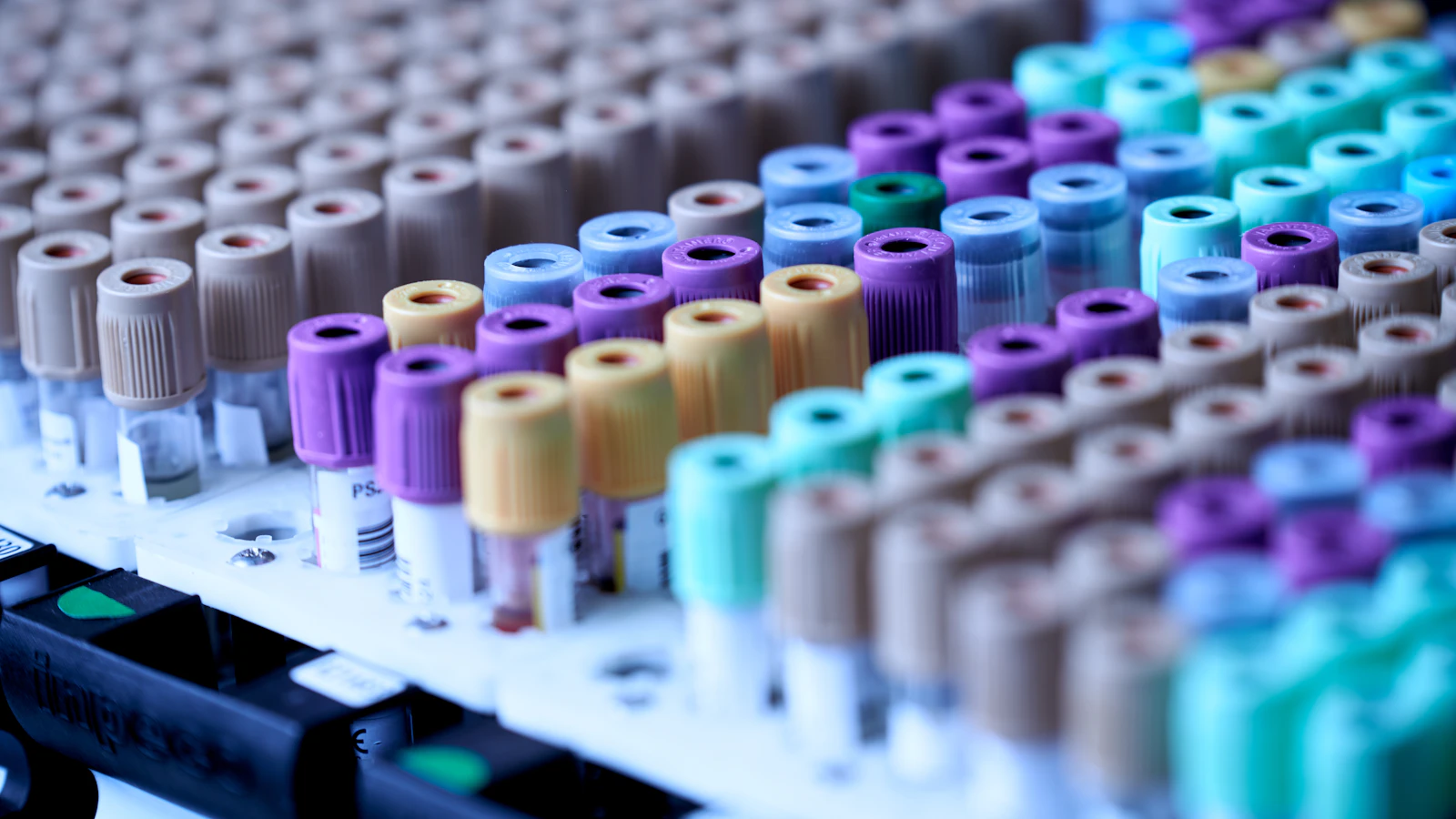
How do you prepare for a blood test for fatigue?
A few practical points make your result more reliable. For some values, such as glucose, it is common to draw blood fasting. For most fatigue values, such as ferritin and TSH, that is not strictly needed, but a morning appointment often gives the most comparable picture.
Picture an appointment at 8am on a weekday. You have not eaten, you have noted your medicines, and you know which supplements you take. Biotin and high-dose B12 in particular can affect some results, so mention those. If in doubt, ask at the collection point or your GP.
Keep in mind that a one-off measurement is a snapshot. A doctor prefers to look at the pattern over time rather than one single number.
When is fatigue a reason to see your GP?
Some signals deserve attention sooner. Contact your GP if your fatigue lasts for weeks, starts suddenly without reason, or comes with complaints such as unexplained weight loss, fever, night sweats, breathlessness or palpitations.
That may sound strict, but it is actually reassuring: this way treatable causes are not missed. According to Thuisarts.nl, blood testing for tiredness is sometimes useful, but not always needed. Your GP helps decide what fits your situation.
A GP usually starts with your story: how long it has been going on, what has changed, how you sleep and eat. Blood comes after that, aimed at what fits your complaints. That order prevents testing all sorts of things at random.
Does fatigue differ by life stage and group?
Yes, the likely causes shift with your situation. In women, menstruation, pregnancy and menopause play a part more often, partly through iron and hormones. Read about that in fatigue in women.
In men, low testosterone or a thyroid problem sometimes comes into view, alongside iron. You read that in fatigue in men. In older adults, several conditions and medicines often play a part at once. And people who eat vegetarian or vegan have a higher risk of a B12 deficiency.
The common thread: the same complaint, different likely causes. That is why a focused talk with your GP is worth more than a standard checklist.
Common misconceptions about fatigue
Stubborn myths surround tiredness. A few I meet often, and what is actually true.
- "More coffee fixes it." Caffeine masks tiredness for a while, but does not address the cause. Too much, or too late in the day, can actually disturb your sleep.
- "It is all in your head." Fatigue is almost never imagined. Mental and physical causes exist side by side and reinforce each other.
- "A supplement is always the answer." Supplements only help with a proven deficiency. Without one they add little, and sometimes too much is unwise.
- "A normal result means you are making it up." Nonsense. A normal result shortens the list of causes, but your complaints stay real.
What strikes me: the hunt for that one miracle fix often keeps people from the dull but effective basics, namely sleep, movement and rhythm.
Which blood test fits with fatigue?
That depends on your complaints. If you want a number of common causes checked together, a fatigue blood test brings values such as iron, thyroid and vitamins into view. If you mainly suspect your thyroid, a thyroid function test fits better.
Unsure which test makes sense for your situation? In our guide to blood testing for fatigue you walk through it step by step. If you search by group, read fatigue in women or fatigue in men.
Frequently asked questions about fatigue
Which blood values relate to tiredness?
Ferritin, TSH, free T4, vitamin B12 and vitamin D often come into view. They do not prove a cause, but can explain why you feel tired. A doctor assesses the whole picture.
Can fatigue go away on its own?
Sometimes. Tiredness after a busy period often lifts with rest. If it lasts for weeks, looking further is sensible.
Is a blood test always needed for tiredness?
No. With short-lived tiredness often not. With persistent complaints it can help to rule out physical causes. Your GP can advise you on this.
Does coffee really help against fatigue?
Coffee gives a temporary lift, but does not solve the cause. With persistent tiredness it makes more sense to look at sleep, iron and thyroid than at another cup of coffee.
Can a vitamin D deficiency cause tiredness?
A deficiency is sometimes linked to fatigue and muscle complaints, though often more factors play a part. In the Netherlands, low vitamin D is common in winter.
What I would suggest
Do not wait months to look, but do not panic over one abnormal value either. Fatigue is an interplay, and blood is a tool within it. Discuss your complaints and your result with your GP, especially if the tiredness persists. Every blood test result at Vitalcheck includes a professional assessment by a BIG-registered doctor. A blood value is not a diagnosis: always discuss treatment decisions with your GP.
References
- RIVM. Fatigue and health: figures and context. Accessed 2026.
- NHG guideline / Thuisarts.nl. I am tired. Dutch College of General Practitioners. Accessed 2026.
- Health Council of the Netherlands. Vitamin D and health. 2012, accessed 2026.
Further reading
- Whether adrenal fatigue is real
- What your progesterone value says
- Thyroid and fatigue: is your thyroid the cause?
- Anaemia and iron deficiency: symptoms, ferritin and which blood test gives insight
- Brain fog and concentration problems: what your blood says
- Afternoon energy dip: is it your blood sugar?
- Sleep deprivation: what too little sleep does to your body
Author
Vitalcheck
Dr. Naimi, BIG-registered physician, oversees the medical standards behind our content and assessments. Read our medical policy