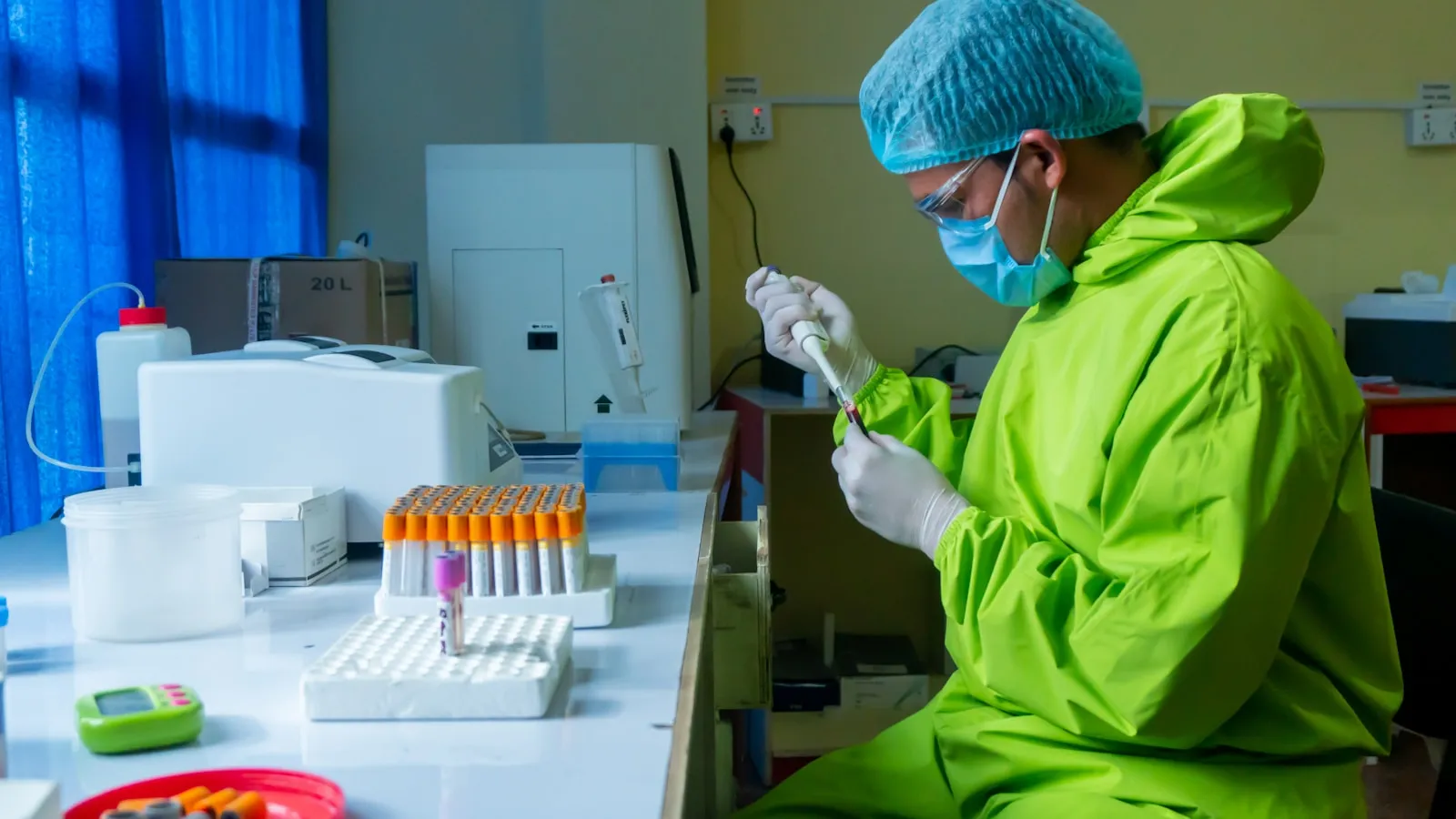
Gonorrhoea is a bacterial STI you can detect with a test via urine or a swab. Which sample is needed depends on the site of possible contact: urethra, throat or anus. Gonorrhoea doesn't always cause symptoms, so testing is often the only way to be sure.
Below you'll read what gonorrhoea is, which symptoms can occur, how the test works, and how gonorrhoea is treated.
In short: symptoms or not, only a test gives certainty.
What is gonorrhoea and what are the symptoms?
Gonorrhoea is caused by the bacterium Neisseria gonorrhoeae. Possible symptoms are pain when urinating, unusual discharge, or throat or anal complaints. But many people notice little or nothing.
Because symptoms can be absent, "I don't feel anything" says little about whether you have gonorrhoea. There's more on signals at Soa Aids Nederland.
How does a gonorrhoea test work? Which sample is needed?
A gonorrhoea test usually uses a PCR method that detects the bacterium's genetic material. Which sample fits depends on where contact took place. With multiple sites, multiple samples may be needed.
| Site of possible contact | Sample type |
|---|---|
| Urethra (genital) | Urine or swab (PCR) |
| Throat | Throat swab (PCR) |
| Anus | Anal swab (PCR) |
At VitalCheck you can choose a gonorrhoea PCR, on its own or combined with other STIs via custom blood test.
How many days until a gonorrhoea test?
Less is known about the exact window for gonorrhoea than for HIV and syphilis. In practice testing often happens after 1 to 2 weeks (RIVM). If you're unsure about the timing, your GP or the GGD can help.
You'll find the window periods of all STIs together in the STI test guide.
How is gonorrhoea treated?
Gonorrhoea is treated with antibiotics, prescribed by a doctor. Resistance to certain antibiotics occurs, which makes the right choice important. That's why treatment always belongs with a doctor, not with self-medication.
With a positive result, contact your GP or the GGD. Together with you they decide on treatment and whether a follow-up check is needed.
Where do you get tested?
Via the GGD, your GP or a private test without a referral. Want to arrange it discreetly? Read our anonymous STI test. For the most reported STI there's the chlamydia test.
Gonorrhoea and antibiotic resistance: why the right test matters
Gonorrhoea can become insensitive to certain antibiotics. That's why it's important that a doctor chooses the treatment and sometimes does a follow-up check to see whether it worked. Using antibiotics on your own isn't a good idea.
A reliable test is the first step. Based on it, your doctor or the GGD decides what fits.
Testing for gonorrhoea and chlamydia together
Gonorrhoea and chlamydia often occur in the same context and are therefore regularly tested together. Both use a PCR on urine or a swab, so you can have them analysed in one go.
Want to combine both? You can via custom blood test. Read more about the chlamydia test too.
Gonorrhoea in men and women
Gonorrhoea can occur in both men and women, but the symptoms differ. In men it's more often discharge or pain when urinating. In women an infection more often goes unnoticed, because symptoms are mild or absent.
Throat and anal infections often cause no symptoms either. So the absence of symptoms says little, and only a test at the right site gives certainty.
Unsure which site is relevant? Discuss it with your GP or the GGD.
Frequently asked questions about the gonorrhoea test
Can you test for gonorrhoea without symptoms?
Yes. Precisely because gonorrhoea doesn't always cause symptoms, you can test without symptoms too. A test detects an infection you wouldn't notice yourself.
Do you need a referral for a gonorrhoea test?
No. You can request a private gonorrhoea test yourself, without a referral from your GP.
Which sample is needed for a gonorrhoea test?
That depends on the site: urine or a swab from the genitals, throat or anus. With multiple sites, multiple samples may be needed.
Every blood test result at VitalCheck includes a professional assessment from a BIG-registered doctor. For treatment decisions, always discuss your results with your GP.
References
- RIVM. LCI guideline gonorrhoea. lci.rivm.nl, accessed 2026.
- RIVM. When can you test for chlamydia and gonorrhoea after unprotected sex? rivm.nl, 2014.
- Soa Aids Nederland. Gonorrhoea and STI testing. soaaids.nl, accessed 2026.
الكاتب
Vitalcheck
مقالات ذات صلة

STI test cost: what you pay without a referral
Chlamydia test: recognising symptoms and getting tested