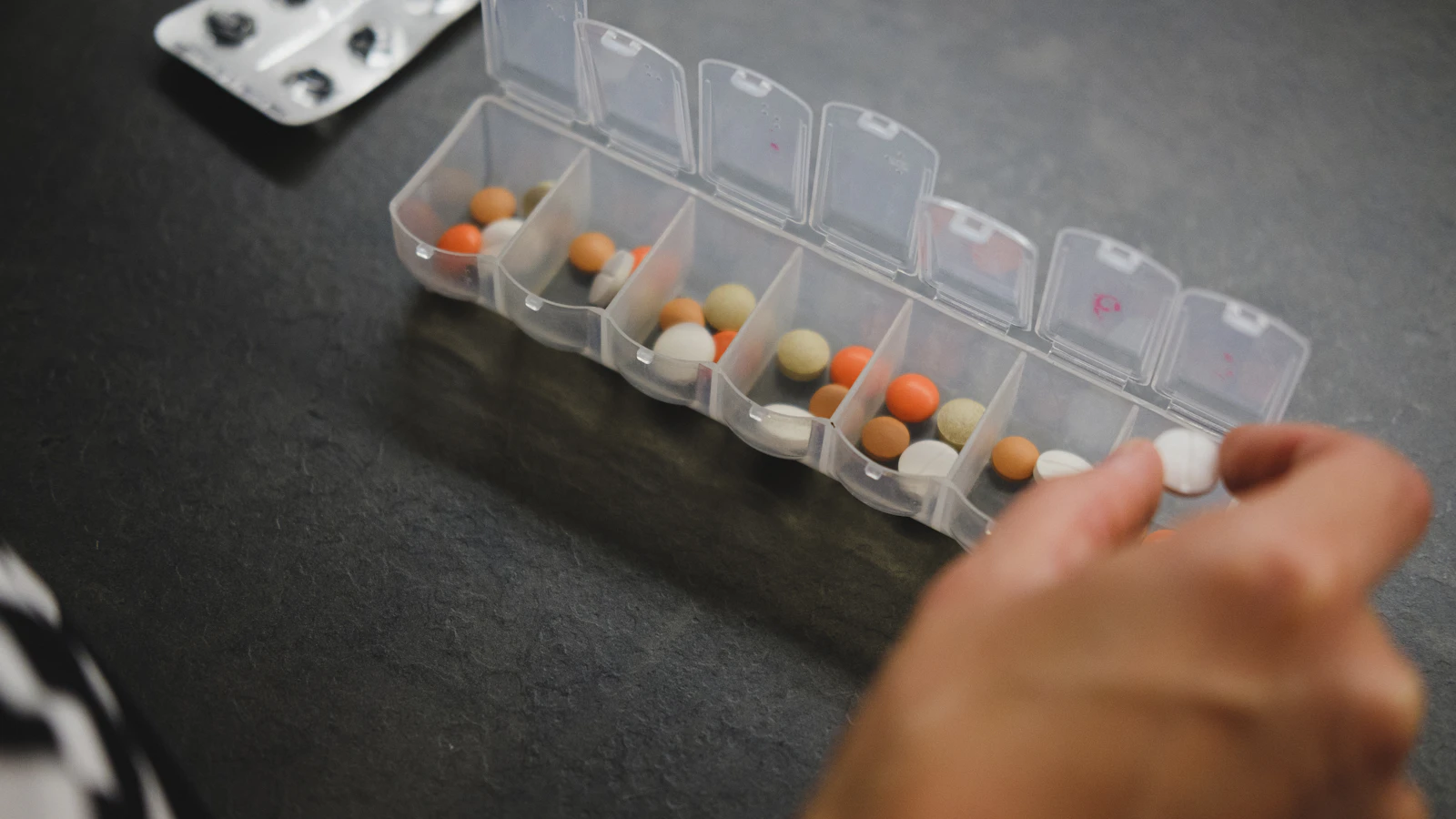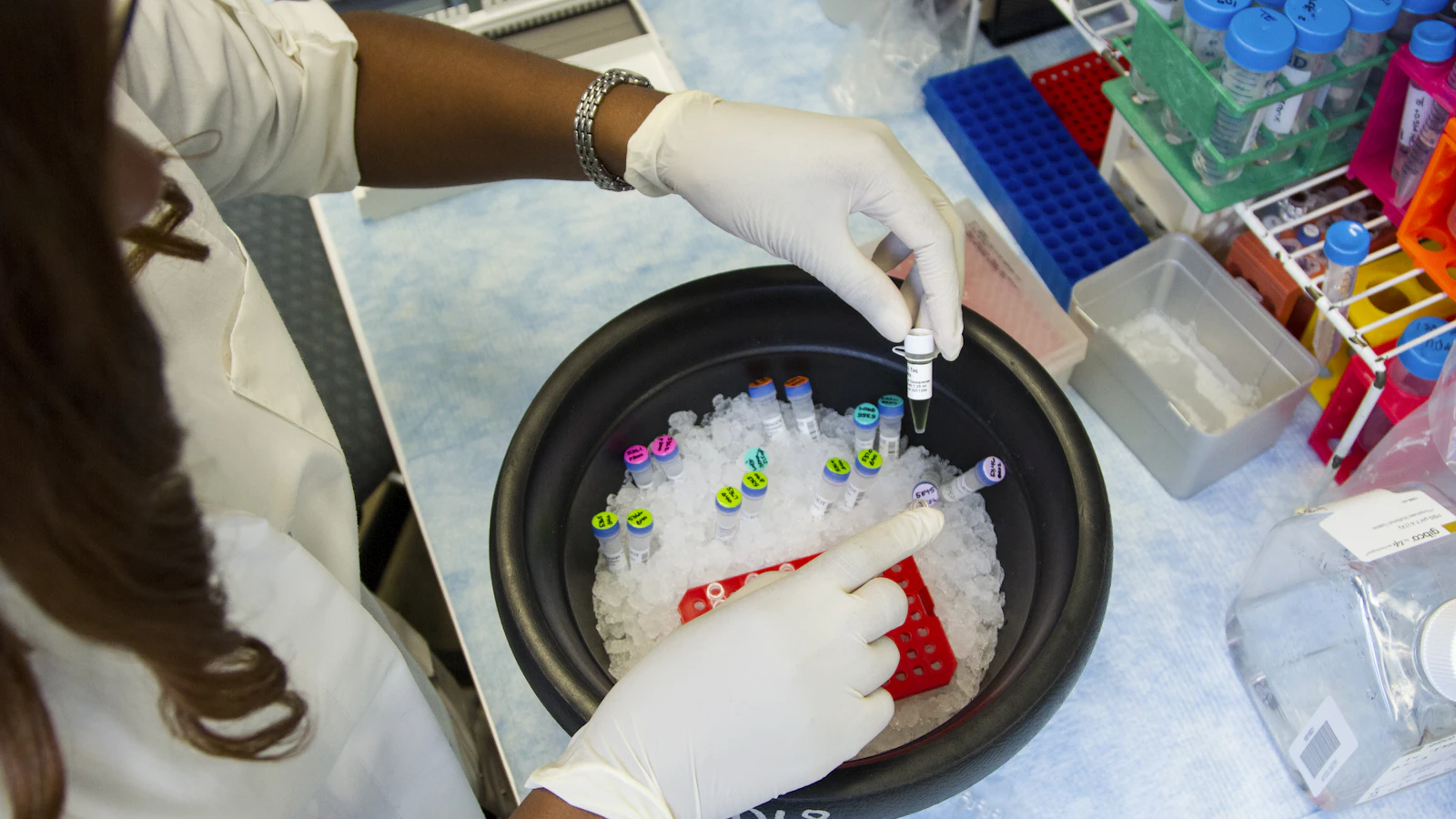
Side effects of cholesterol-lowering drugs are reported often and caused by the drug itself far less often. In an analysis of 123,940 participants, 27.1 percent of statin users reported muscle pain, against 26.6 percent of people taking a placebo (PMID 36049498). That 0.5 percentage point gap is the entire effect.
This is one of the few topics where I genuinely changed my mind by reading the numbers.
One thing first: this is not about whether your complaint is real. It is. It is about the chance that the pill is the cause, and what you can do to find out.
Which side effects get reported most?
Muscle pain and muscle weakness lead, followed by fatigue, stomach and bowel trouble, and headache. Alongside statins, ezetimibe and the PCSK9 inhibitors also count as cholesterol-lowering drugs, each with its own profile. Ezetimibe more often brings bowel complaints, PCSK9 inhibitors mainly injection-site reactions.
What sets statins apart is that they are the most studied. As a result, this is the one drug class where we know precisely how many reported complaints also occur without an active ingredient.
How often are side effects genuinely caused by the drug?
Less often than almost everyone assumes. Three independent studies arrived at the same answer by different routes. They compared statin against placebo rather than statin against nothing, so you can see how many complaints arise without an active ingredient.
| Study | Design | Outcome |
|---|---|---|
| SAMSON (PMID 33196154) | 60 people, alternating statin, placebo and empty months | 90% of symptom burden also arose during placebo months |
| StatinWISE (PMID 33627334) | 200 primary-care patients, statin and placebo periods | mean difference -0.11 on the symptom scale |
| CTT analysis (PMID 36049498) | 123,940 participants, 19 trials, median 4.3 years | roughly 1 in 15 muscle reports attributable to the drug |
The CTT analysis also showed the extra risk sits mainly in the first year: 11 additional reports per 1,000 person-years. After that it levels off.
This is called the nocebo effect: when you expect a side effect, you notice body signals you would otherwise have ignored. It is not attention seeking. It is how attention works.
Does this mean my complaints are not real?
No. The complaints in these studies were entirely real and were also reported during placebo months. The distinction is not between real and imagined, but between caused by the pill and caused by something else. That something else is often age, a virus, too little sleep, or a thyroid that has drifted.
Take two people of 58 who both develop stiff shoulders a month after starting a cholesterol-lowering drug. In one, it fades within two weeks of a supervised pause and returns on restarting. In the other, nothing changes, and TSH turns out to be 7.1 mIU/l.
Only the first had a side effect. The second had a thyroid that needed attention, and without that measurement would have blamed the wrong cause for years.
How do you find out whether the drug is to blame?
By testing it in a structured way with your GP rather than deciding on gut feeling. That is exactly what SAMSON and StatinWISE did: a period on, a period off, and symptoms recorded without knowing which you were taking at the time.
What you can prepare yourself is a symptom diary. For two weeks, note which muscles, what time of day, and how bad on a scale of 0 to 10. Add the start date and every dose change.
A baseline blood value helps here. A CK value before and during the complaints is the difference between a hunch and a clue. See also statin muscle pain and your CK value.
Where does a genuine risk sit?
In severe muscle breakdown, which is rare, and in a slight increase in the chance of diabetes. A meta-analysis of 13 trials with 91,140 participants found an odds ratio of 1.09, which works out to roughly one extra case per 255 people treated for four years (PMID 20167359).
Liver damage is rarer than the package leaflet suggests. In the GREACE analysis, liver values in people with mildly abnormal results actually improved during statin use (PMID 21109302).
The signals that warrant same-day contact stay the same: severe muscle pain with loss of strength, dark brown urine, persistent nausea, or yellowing of skin or eyes.
What to take away from this
That it pays to measure your complaints rather than estimate them. Four out of five people who stop because of muscle complaints are stopping a drug that probably did not cause them. And half the participants in SAMSON were able to restart after the study.
My own conclusion after reading these three studies: it pays to spend two weeks writing things down before you decide anything. It costs you almost nothing, and it can save a drug you never needed to give up.
A lipid panel shows what the drug is doing to your cholesterol. More on how statins work in the overview article on statins, and on the wider risk calculation in which blood values shape your risk.
References
- Cholesterol Treatment Trialists Collaboration. Effect of statin therapy on muscle symptoms. Lancet. 2022;400(10355):832-845. PMID 36049498.
- Wood FA, Howard JP, Finegold JA, et al. N-of-1 Trial of a Statin, Placebo, or No Treatment to Assess Side Effects. N Engl J Med. 2020;383(22):2182-2184. PMID 33196154.
- Herrett E, Williamson E, Brack K, et al. Statin treatment and muscle symptoms: series of randomised, placebo controlled n-of-1 trials. BMJ. 2021;372:n135. PMID 33627334.
- Sattar N, Preiss D, Murray HM, et al. Statins and risk of incident diabetes: a collaborative meta-analysis. Lancet. 2010;375(9716):735-742. PMID 20167359.
- Athyros VG, Tziomalos K, Gossios TD, et al. Safety and efficacy of long-term statin treatment in patients with abnormal liver tests (GREACE): a post-hoc analysis. Lancet. 2010;376(9756):1916-1922. PMID 21109302.
Every blood test result includes a professional assessment from a BIG-registered doctor. For treatment decisions, discuss your results with your GP.
Autor
Vitalcheck
Dr. Naimi, lekarz wpisany do holenderskiego rejestru BIG, nadzoruje standardy medyczne naszych treści i ocen. Przeczytaj naszą politykę medyczną
Powiązane badania
Powiązane artykuły
Atorvastatin and weight gain: what does the research say?

Statin muscle pain: what you can do and what your CK value says