Short answer: hs-CRP and CRP are inflammation values in your blood, and your food probably plays a modest part in them. A pattern with plenty of vegetables, fish and little ultra-processed food sometimes goes together with a slightly lower hs-CRP in research. But one single value says little: hs-CRP rises with any infection, even a cold.
My belief after hundreds of results: people overrate what one inflammation value means. They see a mild rise and think straight away of their diet, while a cold from last week could just as well be the explanation.
According to the RIVM, a large share of Dutch adults eat less vegetables and fish than the Wheel of Five advises. So there is room to gain, though the effect on your blood is hard to predict.
What do hs-CRP and CRP actually say?
CRP stands for C-reactive protein, a protein your liver makes during inflammation. Hs-CRP is a more sensitive variant that also measures low values. Together they give an impression of low-grade inflammation in your body. They do not point out where that inflammation comes from.
Low-grade inflammation is a mild, smouldering form. You often notice nothing of it. Still, a slightly raised hs-CRP is sometimes linked to your cardiovascular risk. Read more in the explainer on CRP.
Worth knowing: a raised value is not a diagnosis. It is a signal that something is going on, not what is going on. A doctor always looks at the whole picture.
Can food affect your inflammation values?
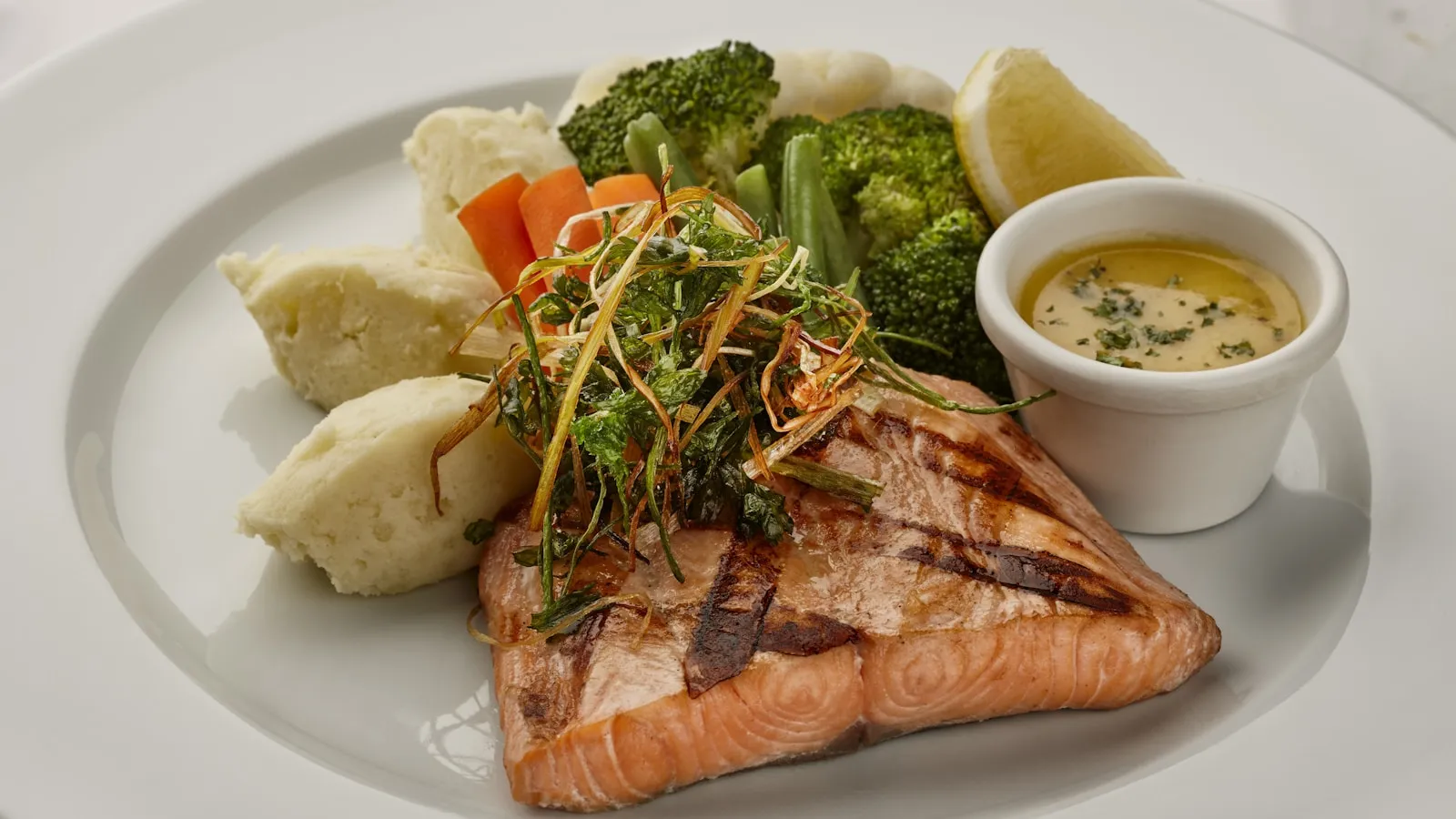
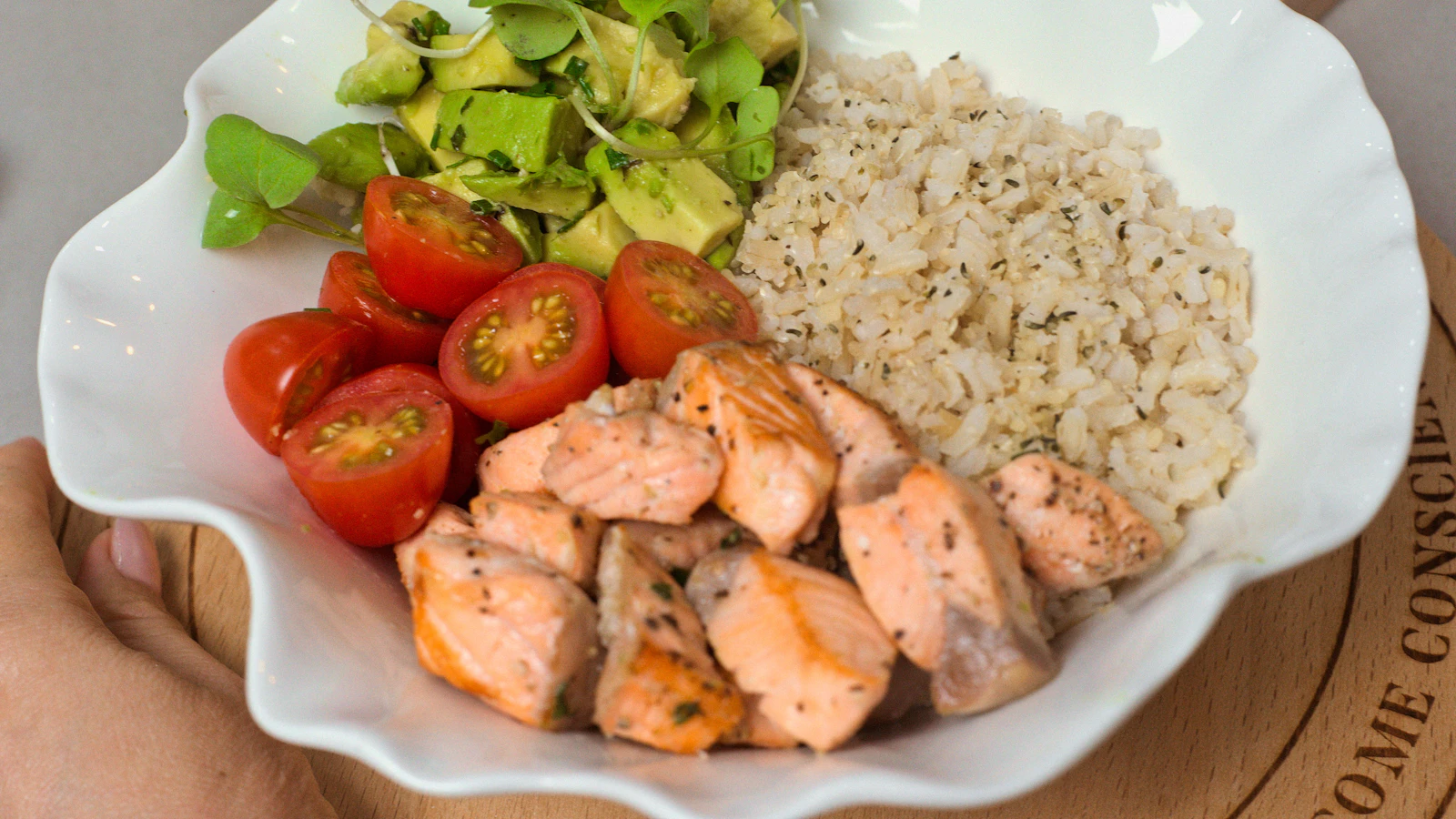
Possibly, to a modest degree. Research sometimes links an eating pattern with plenty of vegetables, fruit, fish and olive oil to a slightly lower hs-CRP. The same goes for less ultra-processed food and less sugar. Hard proof for one miracle fix is lacking.
Omega-3 fatty acids from oily fish get a lot of attention here. They are sometimes tied to a mild anti-inflammatory effect. But the studies are mixed, and the effect on your personal value is hard to predict.
What strikes me: people often hunt for that one supplement, while the whole pattern probably does more. A plate of vegetables, a portion of oily fish and less cake together do more than a single pill.
Which dietary factors may play a part?
The table below puts a few often-named factors next to their possible role in inflammation, with an honest caveat. See it as an overview, not as dietary advice. What suits you is best discussed with your GP or a dietitian.
| Value or dietary factor | Possible role in inflammation | Point of attention |
|---|---|---|
| Omega-3 (oily fish) | Sometimes tied to a mild anti-inflammatory effect | Studies are mixed; effect per person uncertain |
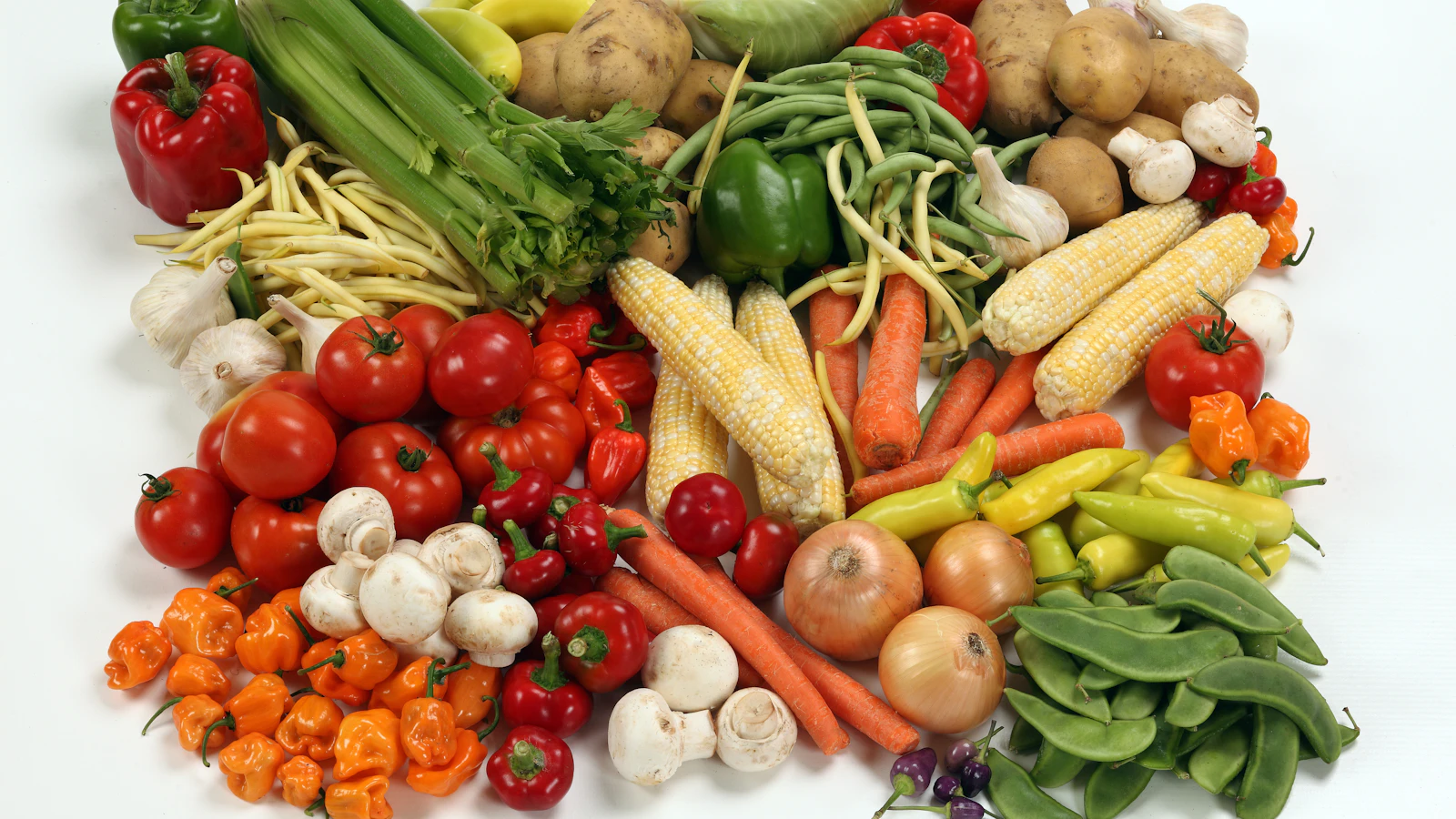
| Vegetables and fruit | A rich pattern sometimes goes with a lower hs-CRP | It is about the whole, not one product |
| Ultra-processed food | A lot of it is sometimes linked to higher inflammation values | Association is no proof of cause |
| Hs-CRP | Sensitive measure for low-grade inflammation | Rises with any infection; one value is noise |
| CRP | Rises more sharply with acute inflammation | Less suited for low, smouldering values |
If you want hs-CRP measured alongside other values, an extended health checkup can fit. How food works through your blood more broadly, you read in our pillar on nutrition and your blood values.
Why is one hs-CRP value so unreliable?
Because hs-CRP reacts to any inflammation, not only to your diet. A cold, an infected tooth, a hard workout or an injury can push the value up for a while. One measurement can be high without anything being structurally wrong.
Picture drawing blood on a Tuesday morning, three days after a heavy bout of flu. The hs-CRP is raised. At that moment it mainly says something about the flu, not about your food over the past month.
That is why doctors prefer a pattern to one number. A repeat measurement at a quiet moment, without infection, gives a fairer picture. Discuss with your GP when a second measurement makes sense.
Hs-CRP also returns when estimating your cardiovascular risk. How that ties in with other markers, you read in apoB, hs-CRP and homocysteine and in which blood values shape your risk.
How do you prepare for a measurement?
A few practical points make your result more reliable. Draw blood at a quiet moment if you can, not right after an infection or a hard workout. It is best to mention whether you have felt ill recently.
For hs-CRP you usually do not need to fast, but a morning appointment often gives the most comparable picture. Note which supplements you take, including fish oil. If in doubt, ask at the collection point or your GP.
Keep in mind that a one-off measurement is a snapshot. A doctor weighs the value within the whole of your complaints and your other results.
Frequently asked questions
Can you lower your hs-CRP with food?
Maybe a little. A pattern with plenty of vegetables, fish and little ultra-processed food sometimes goes with a lower hs-CRP. The effect differs per person and is not guaranteed. Discuss what suits you with your GP.
Does omega-3 help against inflammation?
Omega-3 is sometimes tied to a mild anti-inflammatory effect, but the studies are mixed. A supplement is no replacement for a varied diet. If you take fish oil, mention it at your measurement.
Is a raised CRP always worrying?
Not necessarily. CRP rises with any inflammation, including an ordinary cold. One raised value is often noise. A doctor looks at the pattern and at your other complaints.
What I would suggest
Do not fixate on one inflammation value, and do not hunt for that one miracle food. The whole pattern probably does more than a single pill. If your hs-CRP turns out raised, repeat the measurement at a quiet moment and discuss the result with your GP. Every blood test result at Vitalcheck includes a professional assessment by a BIG-registered doctor. A blood value is not a diagnosis: always discuss treatment decisions with your GP.
References
- RIVM. Nutrition and health: figures and context. Accessed 2026.
- Netherlands Nutrition Centre (Voedingscentrum). Wheel of Five and varied eating. Accessed 2026.
- Thuisarts.nl / NHG. Blood testing and inflammation values. Dutch College of General Practitioners. Accessed 2026.
Author
Vitalcheck
Dr. Naimi, BIG-registered physician, oversees the medical standards behind our content and assessments. Read our medical policy