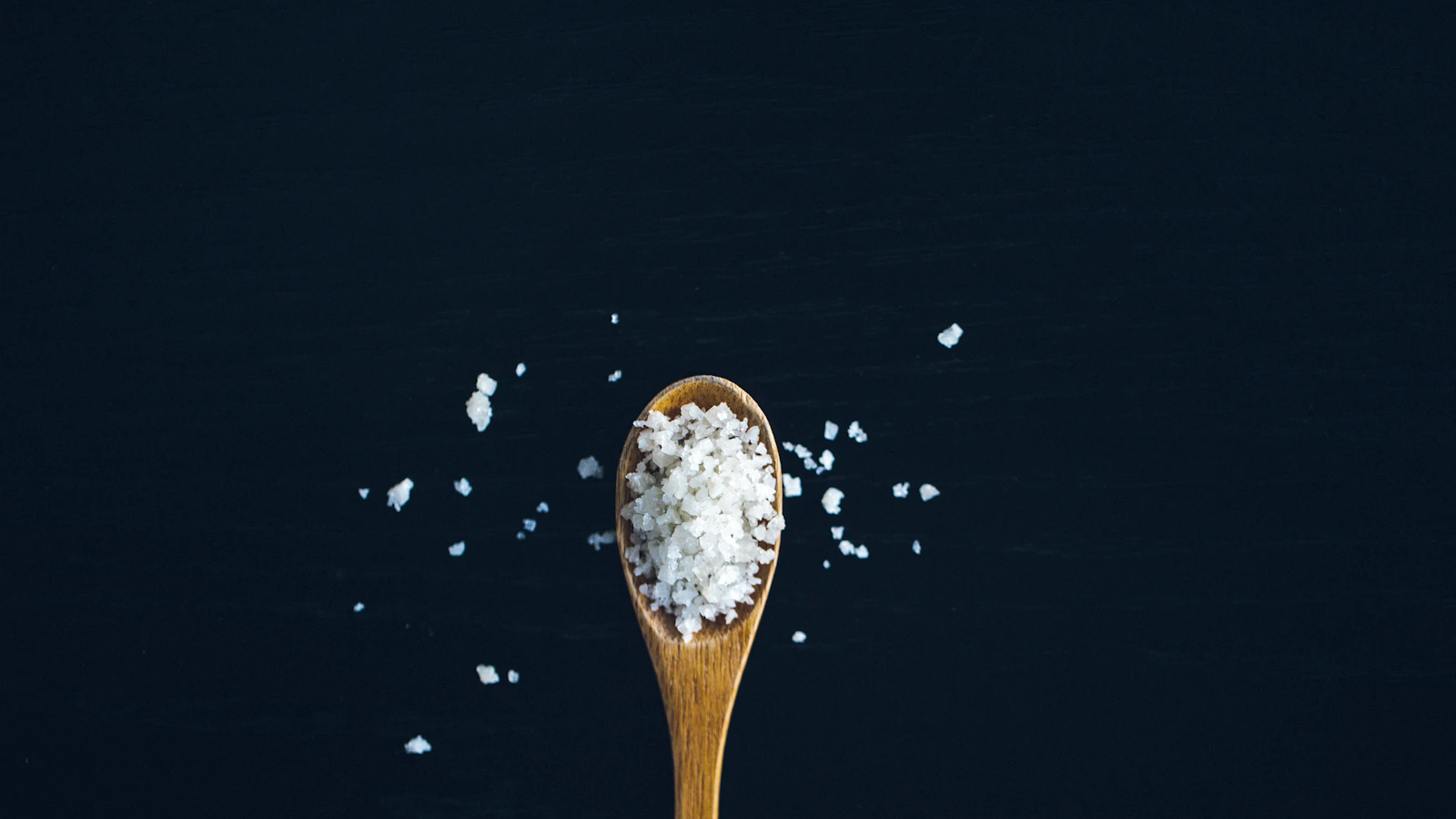
Can a blood test show you eat too much salt? Usually not. Your sodium in blood is tightly regulated and often stays normal, even with a salty diet. The real link between salt and health runs through your blood pressure, and blood does not measure that.
My experience after hundreds of results: people get a fright when their sodium is high-normal and immediately think of salt. That link is almost never that direct.
In the Netherlands, according to RIVM, adults eat on average about 9 grams of salt a day, well above the recommended amount. Yet you rarely see that show up as an abnormal sodium.
Why does a blood test not show you eat too much salt?
Your body keeps the sodium in blood within a narrow range. Kidneys and hormones adjust by holding on to more or less salt and water. When you eat salt, you usually pass more sodium in your urine. So the value in blood often stays normal, even with a high intake.
See sodium in blood as a thermostat, not a logbook. It shows the current balance, not what you ate yesterday.
A single sodium value is therefore no measure of your salt use. If you want to know your intake, your eating pattern says more than your blood. Read also our pillar on nutrition and your blood values.
So what does sodium in your blood say?
Sodium in blood mainly says something about your salt and fluid balance at that moment. A value that is too low or too high usually points not to your food, but to fluid loss, medicines or an underlying cause. A doctor always assesses such a deviation together with your complaints.
Low sodium is called hyponatraemia. It occurs with heavy drinking, vomiting, diarrhoea or certain medicines, such as water pills. High sodium more often goes together with dehydration.
The marker sodium is therefore useful, but for something other than salt intake. A doctor looks at the pattern, not at one single number.
How does salt relate to your blood pressure?
This is where the real link sits. In some people, a lot of salt can raise blood pressure. That is called salt sensitivity and differs per person. High blood pressure over time burdens your heart, vessels and kidneys. Only, blood does not measure your blood pressure.
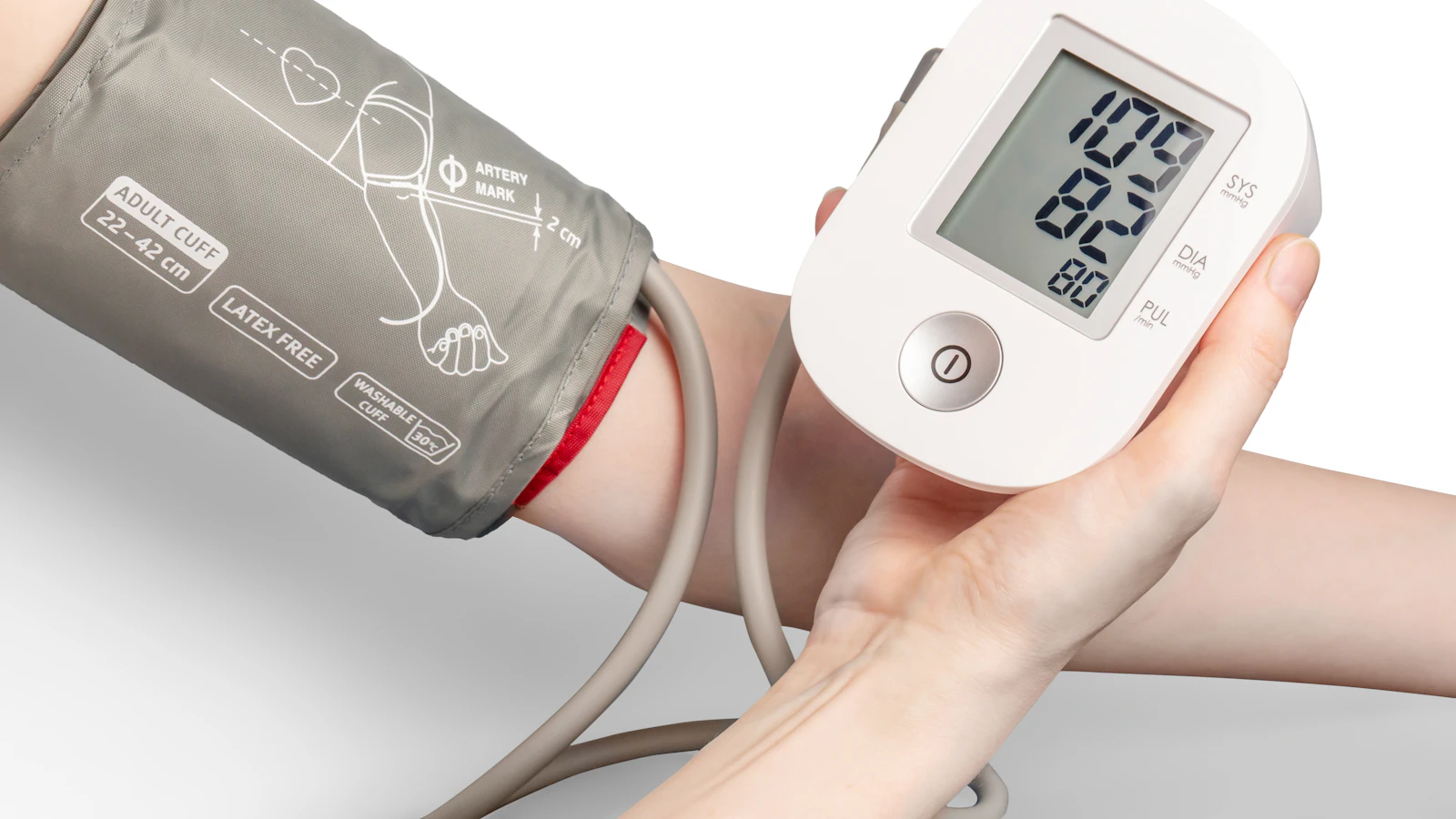
You measure blood pressure with a cuff around your arm, not with a tube of blood. That is a mistake I often hear: my blood was good, so my blood pressure must be too. Those two stand apart.
If you want to know what salt does to your heart risk through blood pressure, read our piece on which blood values determine your cardiovascular risk.
What can and cannot you read from salt-related blood values?
A few values touch on salt and fluid, but each with limits. The table below puts three values next to what they can indicate and their main limitation. See it as an overview, not a diagnosis.
| Value | What it can say about salt or fluid | Important limitation |
|---|---|---|
| Sodium | Reflects the current salt and fluid balance | Says nothing about how much salt you eat |
| Potassium | Plays a part in salt-fluid regulation and heart rhythm | Affected by medicines and the sampling itself |
| Kidney function (eGFR, creatinine) | Your kidneys help regulate salt and fluid | Often changes late and does not measure salt intake |
If you want a number of these values measured together, an extended health checkup brings sodium, potassium and your kidney function into view, among others. How your kidneys regulate salt and fluid, you read in our piece on kidney function and what creatinine and eGFR mean.
What does potassium mean in the salt story?
Potassium works in your body as the counterpart of sodium. A diet with more vegetables and fruit supplies potassium, and that can be favourable for your blood pressure. Potassium too is tightly regulated in blood, so this value is no logbook of what you ate.
The marker potassium is medically important, because both a low and a high potassium can affect heart rhythm. That is why a doctor assesses this value carefully.
Note: potassium can look falsely raised if blood clumps during the draw. An abnormal result is therefore sometimes repeated.
When should you talk to your GP about salt and your blood?
Some situations deserve attention. Talk to your GP if your blood pressure is high, if you use medicines that affect salt and fluid, or if a sodium or potassium value is abnormal. Complaints such as confusion, muscle cramps or palpitations you raise sooner.
According to Thuisarts.nl, eating less salt helps some people lower their blood pressure. Whether that is sensible for you, you best discuss with your GP.
A GP usually starts with your story and your blood pressure, and then looks at blood in a focused way. That order prevents you reading values apart from their context.
Frequently asked questions about salt and your blood
Can a blood test prove I eat too much salt?
Usually not. Your sodium in blood is tightly regulated and often stays normal, even with a salty diet. Your eating pattern says more about your salt intake than a single blood value.
Is a high sodium in blood dangerous?
An abnormal sodium can point to dehydration, medicine use or an underlying cause. It is no measure of eating salt. A doctor always assesses such a value together with your complaints and your situation.
Does less salt help against high blood pressure?
In some people, less salt can lower blood pressure, though it differs per person. You measure blood pressure with a cuff around your arm, not in blood. Discuss what fits with your GP.
What I would suggest
Do not expect your blood to judge your salt shaker. Sodium and potassium are medically useful, but they do not measure salt intake. The link between salt and health runs mainly through your blood pressure, and that belongs to a cuff around your arm. Discuss your blood pressure and your result with your GP, especially with medicine use or an abnormal value. Every blood test result at Vitalcheck includes a professional assessment by a BIG-registered doctor. A blood value is not a diagnosis: always discuss treatment decisions with your GP.
References
- RIVM. Salt and health: intake and recommendations. Accessed 2026.
- NHG guideline / Thuisarts.nl. High blood pressure. Dutch College of General Practitioners. Accessed 2026.
- Dutch Heart Foundation (Hartstichting). Salt and blood pressure. Accessed 2026.
Author
Vitalcheck
Dr. Naimi, BIG-registered physician, oversees the medical standards behind our content and assessments. Read our medical policy