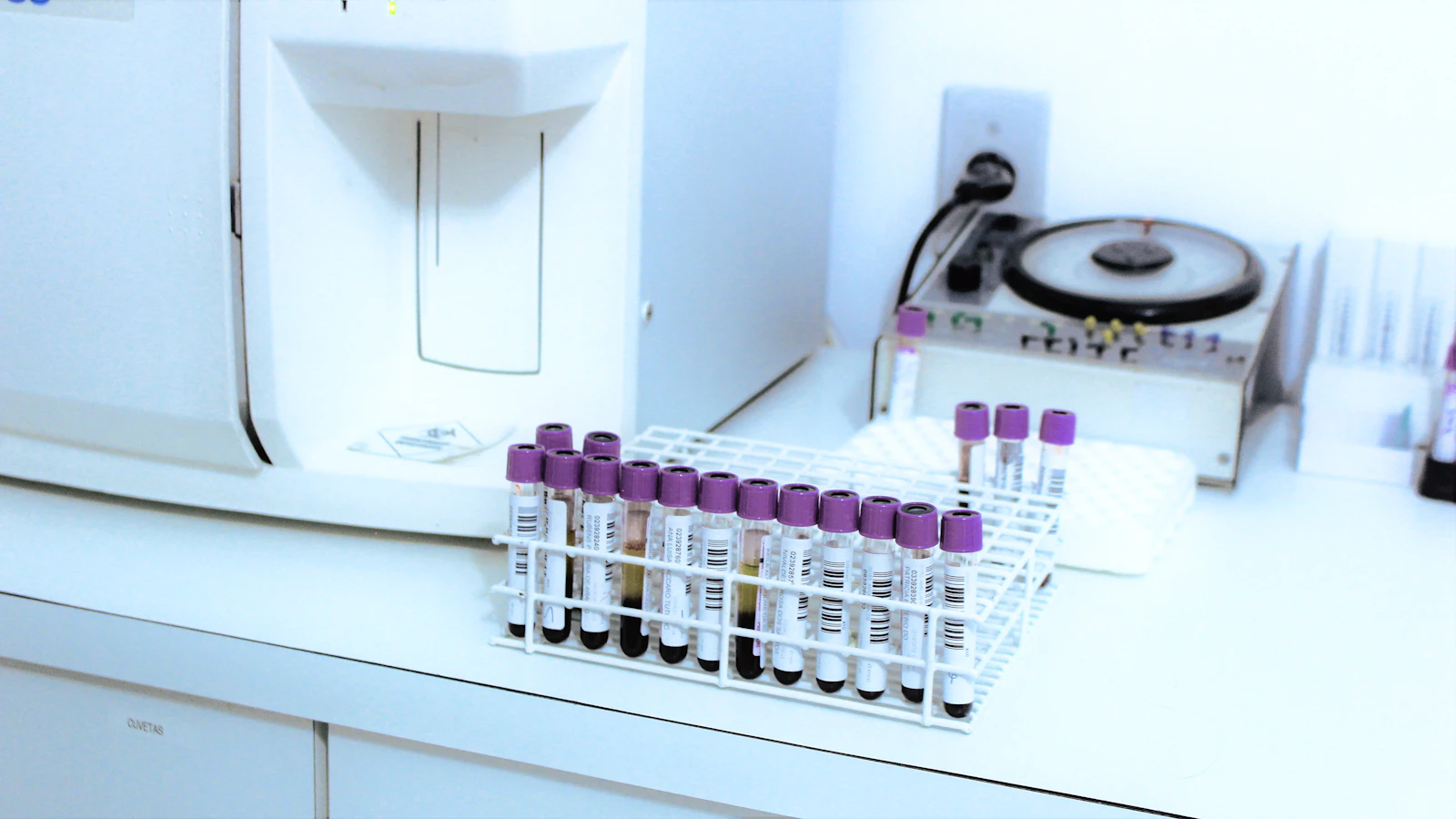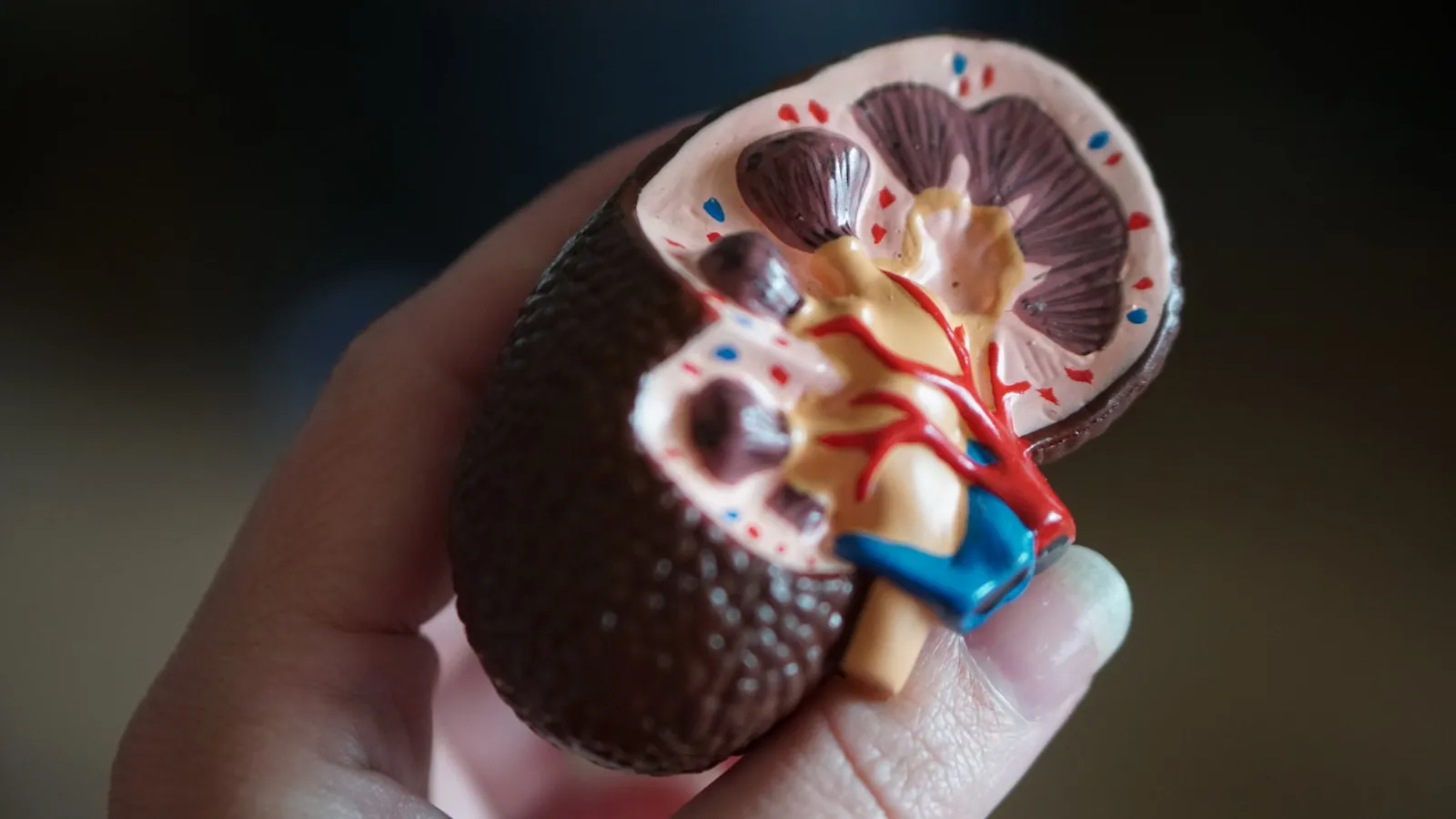
Your kidneys filter roughly 180 litres of blood every day, and yet you almost never notice them at work. That is exactly the problem: kidney damage often progresses silently for years, and by the time you get symptoms there is usually already significant loss of function. A kidney function blood test is therefore one of the few ways to see how your kidneys are doing before anything goes wrong.
My stance: with kidneys, the trend matters more than a single number. A one-off creatinine just outside the range says little. An eGFR that slowly drops over two measurements says a great deal more. Below you will read what is measured and how to interpret the result.
Which values are in a kidney function blood test?
A kidney panel usually measures three to four values that complement each other. The table below is your decision aid: per value you see what it measures and what an abnormal result may mean.
| Value | What it measures | What an abnormal result may mean |
|---|---|---|
| Creatinine | A waste product from your muscles that the kidneys filter out | A rise may signal reduced filtering capacity, but also high muscle mass or dehydration |
| eGFR | Calculated filtering rate (creatinine corrected for age and sex) | A falling eGFR is the key measure of declining kidney function |
| Urea | A second waste product, sensitive to fluids and protein intake | Raised with dehydration or reduced kidney function |
| Cystatin C | An additional filtering marker, independent of muscle mass | Useful when creatinine is misleading, for example in athletes or older adults |
What does your eGFR say? The stages in a row
The eGFR (estimated glomerular filtration rate) is the most used measure of kidney function. The Dutch Kidney Foundation (Nierstichting) uses five stages of chronic kidney damage, based on the filtering rate in millilitres per minute:
- Stage 1 (eGFR above 90): normal filtering rate.
- Stage 2 (eGFR 60 to 89): mildly reduced, usually without symptoms.
- Stage 3a and 3b (eGFR 30 to 59): moderately reduced, often a reason for monitoring.
- Stage 4 (eGFR 15 to 29): severely reduced, specialist care.
- Stage 5 (eGFR below 15): kidney failure.
The eGFR drops slightly with age, so a value of 75 means something different at seventy than at thirty. Your doctor therefore looks at your age, the trend over time, and whether there is protein in your urine.
Why creatinine alone is not enough
Creatinine comes from your muscles, so your muscle mass affects the value. Someone with a lot of muscle can have a higher creatinine without any kidney problem, while a slim older adult with little muscle can keep a "normal" creatinine despite declining function. The eGFR partly corrects for this, and when in doubt cystatin C adds a second, muscle-independent measure.
Why protein in your urine matters so much
Blood alone does not tell the whole story. An early and sensitive sign of kidney damage is albumin in the urine, often before your eGFR drops. The Dutch Kidney Foundation (Nierstichting) calls the combination of eGFR and urine albumin the standard for assessing kidney damage. With diabetes or high blood pressure, this urine value is therefore often checked together with your blood. A small amount of albumin can already be an early signal that the kidney filters are leaking, and it is exactly in that early phase that there is most to gain from lifestyle and blood pressure treatment.
Who benefits from a kidney function blood test?
The Dutch College of General Practitioners (NHG) advises checking kidney function mainly in people at increased risk, not as a routine in everyone without symptoms. A check is usually worthwhile if you:
- have diabetes, the most common cause of kidney damage;
- have high blood pressure;
- have kidney disease in the family;
- are older than 60;
- use long-term medication that strains the kidneys, such as NSAIDs.
What can you do yourself for your kidneys?
Much kidney damage is lifestyle-sensitive. The Nierstichting and the Netherlands Nutrition Centre (Voedingscentrum) name the same core points: keep your blood pressure and blood sugar under control, limit salt to a maximum of 6 grams a day, drink enough (1.5 to 2 litres of water), do not smoke, and be cautious with long-term use of painkillers such as ibuprofen or diclofenac without medical advice. These measures can prevent or slow further damage, even if they do not always reverse existing damage.
Want to check your kidney function without a referral? The Kidney Function test from Vital Check measures creatinine and eGFR, and the Complete Metabolic Panel covers kidney, liver and metabolism in one go. Unsure which values you need more broadly? Read Annual blood test: which tests do you really need?
Frequently asked questions
How often should I check my kidney function?
Without risk factors, once every few years is usually enough. With diabetes, high blood pressure or a known kidney disorder, your doctor generally advises an annual check.
Can I reverse kidney damage?
That depends on the cause and the stage. Intervening early, such as lowering your blood pressure and controlling your diabetes, can prevent or slow further damage. Severe damage is often not reversible, but it can be stabilised in consultation with a doctor.
Is kidney function included by default in blood tests?
In most broad panels, yes. In a targeted test, for example thyroid only, not always. Ask specifically if you want your kidneys checked.
Author
Vitalcheck
Dr. Naimi, BIG-registered physician, oversees the medical standards behind our content and assessments. Read our medical policy