Your liver rarely complains before something is seriously wrong. That makes a blood test often the first moment you see how your liver is doing. A liver function test measures not a single value, but a set of enzymes and proteins that together give a picture. And that interplay, the pattern, usually tells you more than any number on its own.
My stance: a liver function test is not a diagnosis, but a direction indicator. The numbers only really count when someone with the right knowledge reads them in your context.
What is a liver function test?
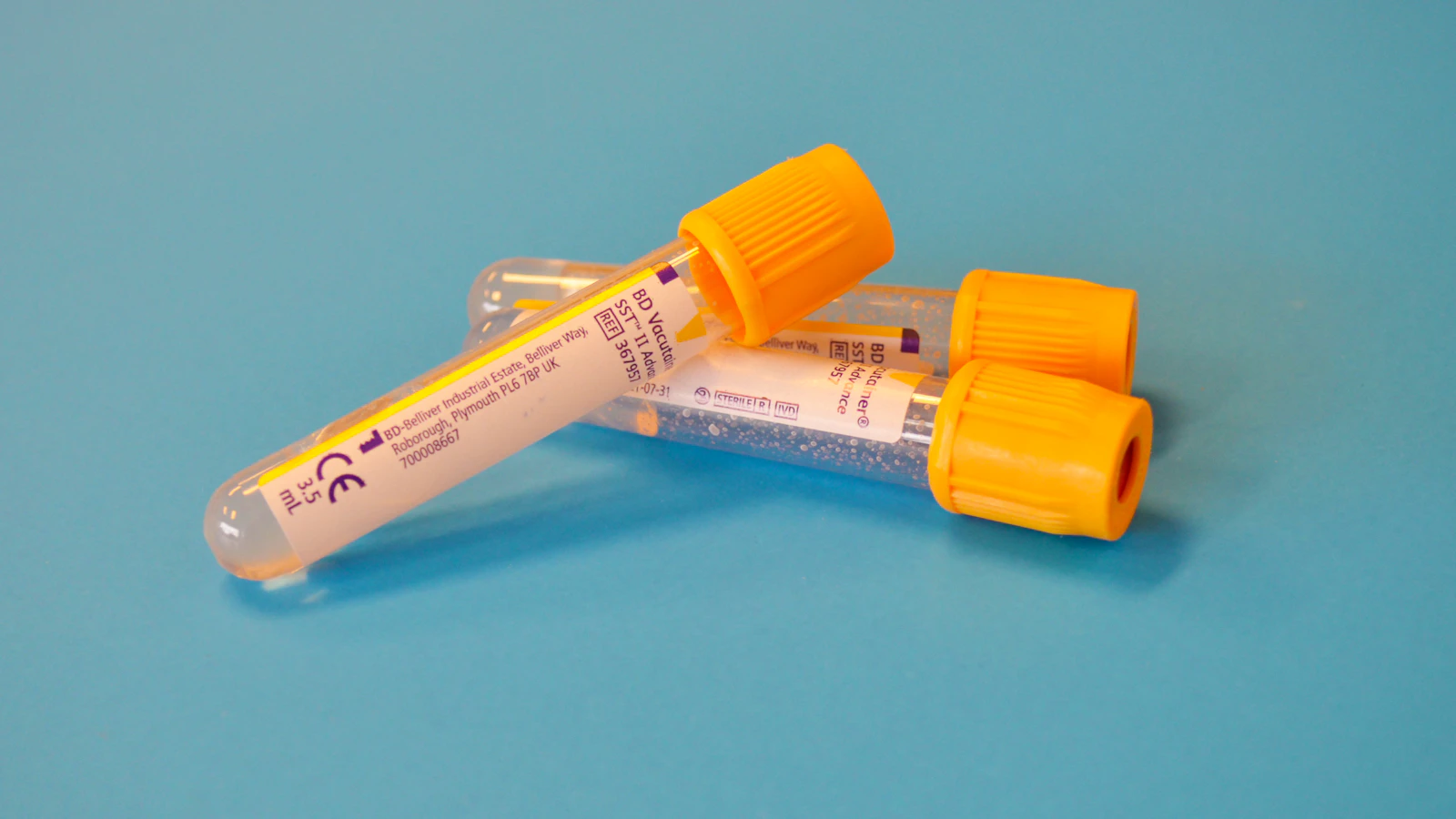
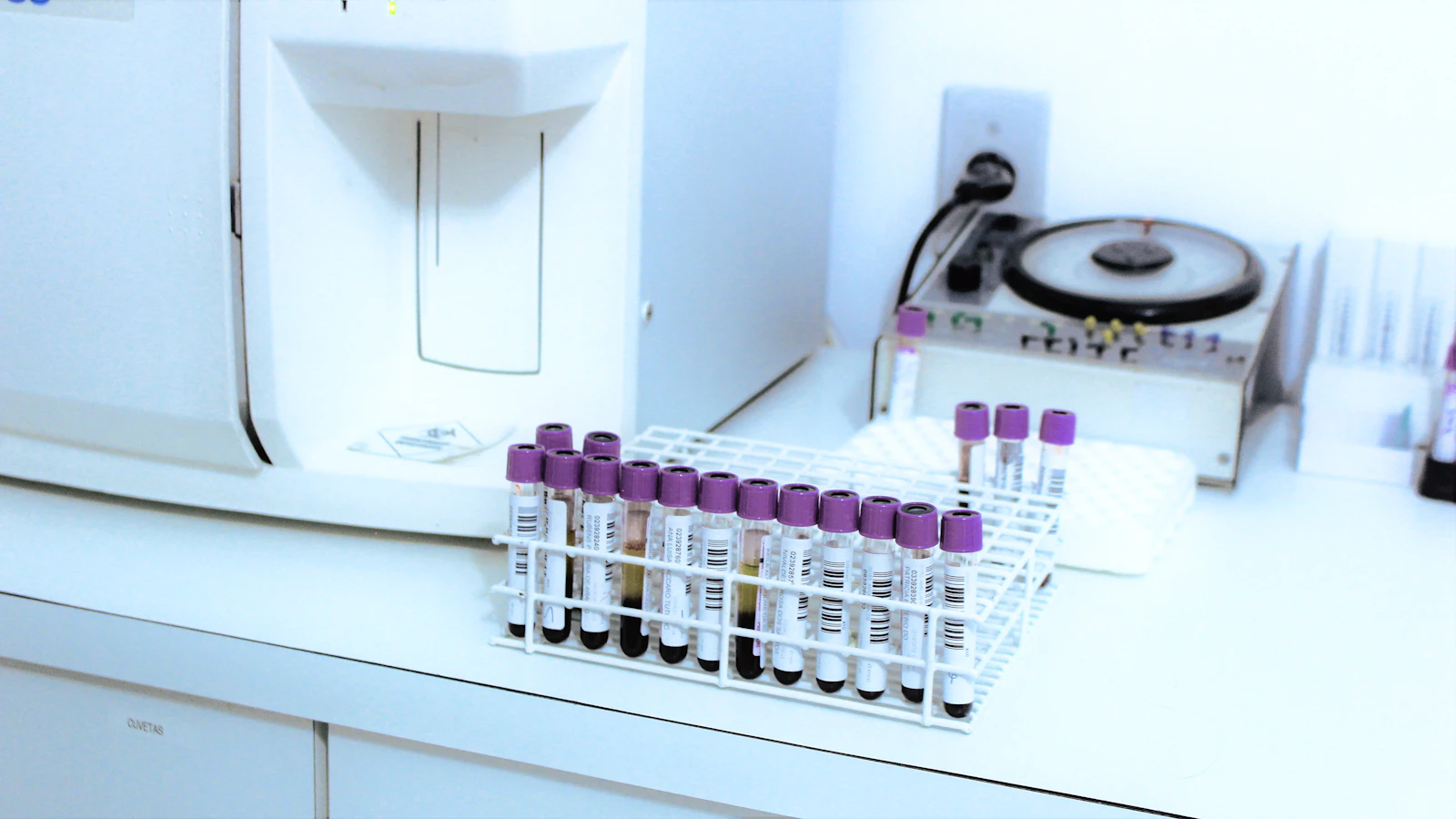
A liver function test is a blood test that measures several liver values at once. Together they give a picture of liver cell damage, bile duct function and your liver's production function. The individual values each tell part of the story, the pattern tells the rest.
Which values are in a liver function test?
A complete liver function test usually contains the values in the table below. Per value you see what it tells you.
| Value | What it reveals |
|---|---|
| ALT and AST | Liver cell damage, with the AST/ALT ratio as a compass |
| Gamma-GT | Sensitive to alcohol and the bile ducts |
| Alkaline phosphatase | Bile ducts and bones |
| Bilirubin | Bile breakdown and bile flow |
| Albumin | Longer-term protein production |
What each value means exactly is in understanding liver values.
When is it worth testing your liver values?
A test can be useful if you drink alcohol regularly, are overweight, use medication that strains the liver, or as part of a broader health check. If you have complaints such as persistent tiredness or pain in the upper right abdomen, consult your doctor. The Dutch College of General Practitioners (NHG) advises liver testing mainly on indication, so with a complaint or risk factor, and not as a routine in everyone without reason. A test does not replace medical advice, but it does give objective information. The Netherlands Nutrition Centre (Voedingscentrum) points to overweight, a diet high in sugar and alcohol, and little exercise as major strains on the liver; if you recognise yourself in that, a check is worthwhile sooner.
What a liver function test does and does not tell you
A liver function test measures enzymes and proteins in your blood, and so gives a strong picture of liver cell damage and bile duct function. What it does not do is directly image the structure of your liver. Early fatty liver or beginning scarring can be present while the blood values are still (almost) normal. That requires additional investigation, such as an ultrasound. Conversely, a slightly raised value can be completely harmless. So see the blood test as a first, accessible screening that shows whether there is reason to look further, not as a final verdict on your liver.
Testing your liver values yourself: how does it work?
At Vital Check you choose the test online, schedule a blood draw at a location near you, and receive your result digitally. A doctor assesses your results, so you get not just numbers but also an explanation of what they mean. If you want to see your liver in a broader picture, the Complete Metabolic Panel covers liver, kidney and metabolism in one go. The standalone version of this is the liver function test, with the liver enzymes only.
What can you expect in terms of turnaround?
The draw itself takes only a few minutes. Most liver values are available within a few working days, and you get a notification once your result is ready. You do not need a referral from your doctor, but with abnormal values or complaints it is wise to discuss the result with your doctor. That way you combine the convenience of testing yourself with the care of a medical assessment.
How do you read the result?
On your result your values appear next to the laboratory's reference values. A value just outside the range is rarely immediately worrying; the pattern and a possible repeat measurement carry more weight. With questions or abnormalities, the assessing doctor helps you further. Unsure which tests you need more broadly? Read Annual blood test: which tests do you really need?
Frequently asked questions
Do I need to fast for a liver function test?
For ALT, AST and gamma-GT, strictly speaking no. If glucose and cholesterol are measured at the same time, fasting is advised. In all cases, avoid alcohol for at least 48 hours beforehand.
Can I have my liver values tested without a doctor?
Yes, you can order a liver function test yourself. With abnormalities or complaints, it is wise to discuss the result with your doctor for the right next steps.
How often should I check my liver values?
That depends on your situation and any risk factors. Discuss the frequency with your doctor if in doubt; for a healthy adult without complaints, periodic measurement is usually enough.
What if a value falls just outside the reference range?
A value just outside the range is rarely immediately worrying. Reference values are statistical boundaries, not a sharp dividing line between healthy and ill. A repeat measurement and the pattern of your other liver values carry more weight than a single slightly abnormal number.
Author
Vitalcheck
Dr. Naimi, BIG-registered physician, oversees the medical standards behind our content and assessments. Read our medical policy