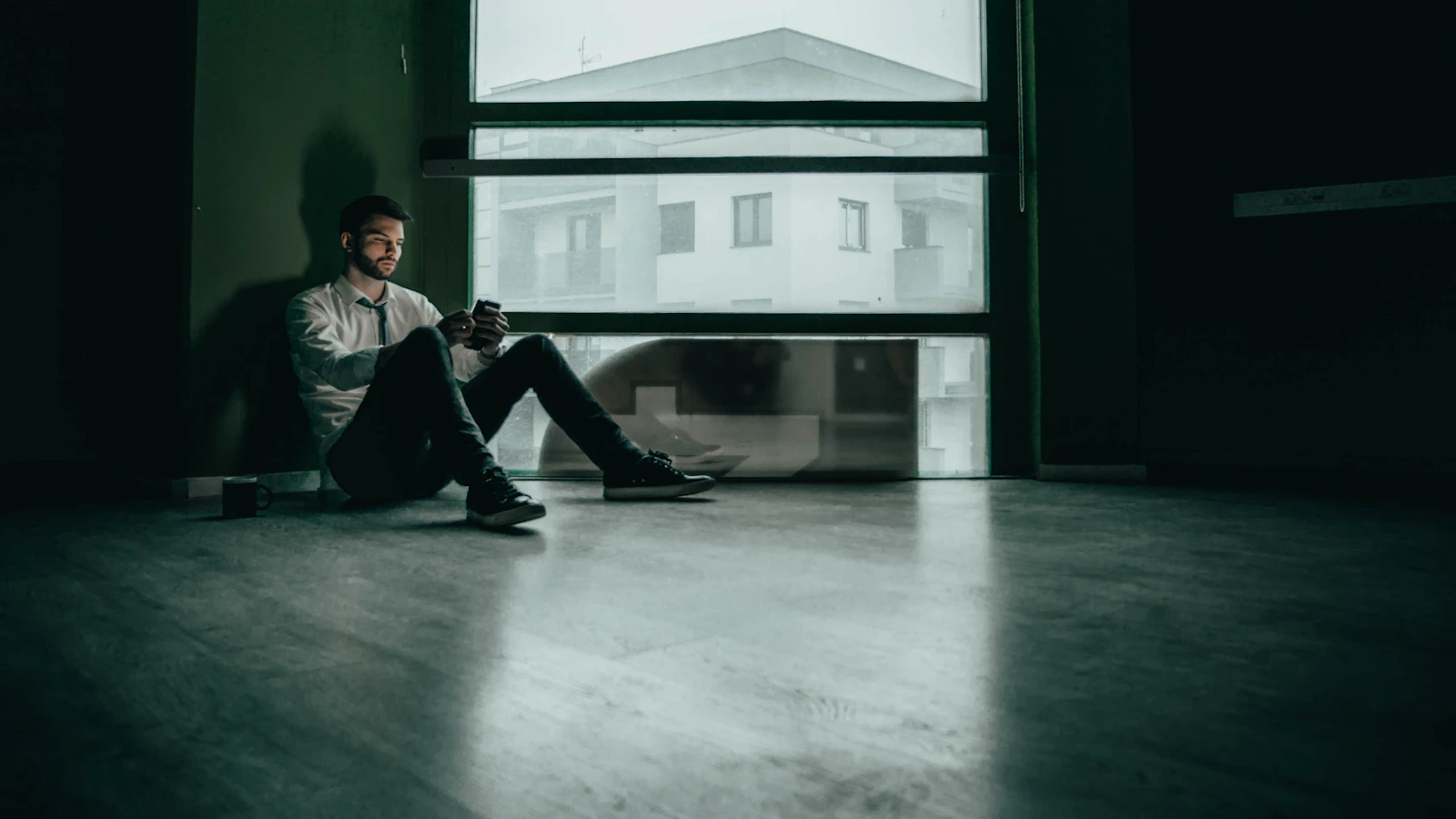
You are in the shower and realise you no longer know whether you have already washed your hair. At the office you read the same email three times. You are not ill, you have no fever, but your drive is gone. These small glitches are often the first language of burnout, and that language is exactly what we wave away most easily.
Important to know in advance: burnout is a clinical diagnosis, based on your complaints and how long they have been going on. No blood test diagnoses burnout. What blood does do is rule out physical causes of exactly the same complaints. What I see too often in practice: people ignore the first signals until the body itself slams on the brakes. That is not willpower, that is delay.
What are the physical signals of burnout?
The signals are broad and overlap with all sorts of things. It is the combination and the duration that make the difference. A busy week is not burnout; months of exhaustion that does not lift after rest is. The following signals often fit:
- Deep, persistent fatigue, even after a free weekend or a holiday
- Sleep problems: trouble falling asleep or waking up unrested
- Headaches, muscle tension or stomach and bowel complaints
- Concentration and memory problems, the sense of a foggy head
- Lower resistance: you drag one cold after another
The NHG guideline on overstrain and burnout describes that physical tension complaints often precede the realisation that it is truly too much. The World Health Organization (WHO) has, since 2019 in the ICD-11, described burnout as a phenomenon linked to chronic workplace stress that has not been successfully managed.
How do you tell burnout from a physical cause?
This is exactly why blood is worth considering. Fatigue, foggy thinking and listlessness can also come from your thyroid, your iron or a vitamin deficiency. A blood test helps to rule these out, so a treatable cause is not wrongly chalked up to stress. The table below places the overlap side by side.
| Complaint | Fits burnout | Physical cause to rule out |
|---|---|---|
| Persistent fatigue | Yes, core symptom | Underactive thyroid (TSH), low iron (ferritin), vitamin D |
| Foggy thinking, poor concentration | Yes | Thyroid, vitamin B12, anaemia (haemoglobin) |
| Palpitations, inner restlessness | Yes, under tension | Overactive thyroid (TSH) |
| Muscle weakness, feeling cold | Less typical | Underactive thyroid, vitamin D, iron |
| Low mood, listlessness | Yes | Thyroid, vitamin B12; if in doubt, GP |
The practical step is targeted testing. A broad test such as the complete metabolic panel brings thyroid, glucose and liver together; if you mainly suspect your thyroid, a thyroid function test is more targeted.
The values I would check
The thyroid comes first, because an underactive thyroid can mimic almost the entire burnout picture. Start with TSH and, if needed, free T4. In addition, ferritin, vitamin D and vitamin B12 can explain fatigue that need not belong to stress. For the blood-sugar side, glucose can be useful.
The phases: from overstrain to burnout
The NHG guideline distinguishes overstrain from full burnout, and that distinction is practically useful. It helps you judge how much urgency there is. The breakdown below is a simplification; your GP determines exactly where you stand.
- Tension phase: stress complaints that still lift over the weekend. Here, adjusting lifestyle is often enough.
- Overstrain: complaints that persist, with loss of control and the feeling of not coping. Usually shorter than burnout and well recoverable.
- Burnout: overstrain lasting longer than around six months, with exhaustion in the foreground. Recovery then takes more time and guidance.
My point: the earlier you intervene in this chain, the lighter the intervention. Waiting rarely makes it easier.
What helps with recovery?
Recovery rarely turns on a single solution. The combination of rest, rhythm and gradual rebuilding works best. The Health Council (Gezondheidsraad) notes in its movement guidelines that regular, not too intensive movement is associated with fewer stress complaints and a better sleep rhythm. A few concrete points to work on:
- Build in rhythm: fixed wake and bed times give your system something to hold on to, even during recovery
- Move lightly but regularly: a daily walk often does more than the occasional heavy workout
- Limit caffeine and alcohol: both disturb your sleep, exactly when you need it most
- Dose your stimuli: screen time and an overfull schedule cost energy you now want to save
Meanwhile, rule out treatable physical causes with a targeted blood test, so you do not spend months working on stress while, for example, a thyroid or iron problem lies underneath.
When do you seek help?
If your complaints last for weeks and recovering no longer works, it is wise to speak to your GP. The earlier you act, the more room there is to adjust before you truly hit a wall. Asking for help in early burnout is not weakness, it is the smart move. The GP can judge whether a blood test is useful and whether referral to, for example, an occupational physician or psychologist fits.
Frequently asked questions
Can you diagnose burnout with blood?
No. Burnout is a clinical diagnosis. Blood mainly helps to rule out physical causes of your complaints, such as a thyroid or iron problem.
How long do the first signals last?
That differs per person. Complaints often build up over weeks to months. Persistent signals deserve attention, even when you are busy.
Is overstrain the same as burnout?
Not quite. Overstrain often precedes burnout and is usually shorter. The NHG distinguishes the two; your GP can help judge where you stand.
The bottom line
Do not wait until you fully hit a wall. Take persistent physical signals seriously, rule out treatable causes and discuss them with your GP. Every blood test result at Vitalcheck includes a professional review by a BIG-registered doctor. A blood value is not a diagnosis: always discuss treatment decisions with your GP. If you mostly wonder about your fatigue, or want to go deeper, read the pillar on burnout and your body.
Sources
- NHG guideline Overstrain and burnout. Dutch College of General Practitioners.
- World Health Organization (WHO). Burn-out an occupational phenomenon: ICD-11. 2019.
- Thuisarts.nl / NHG. I have overstrain or burnout. Accessed 2026.
الكاتب