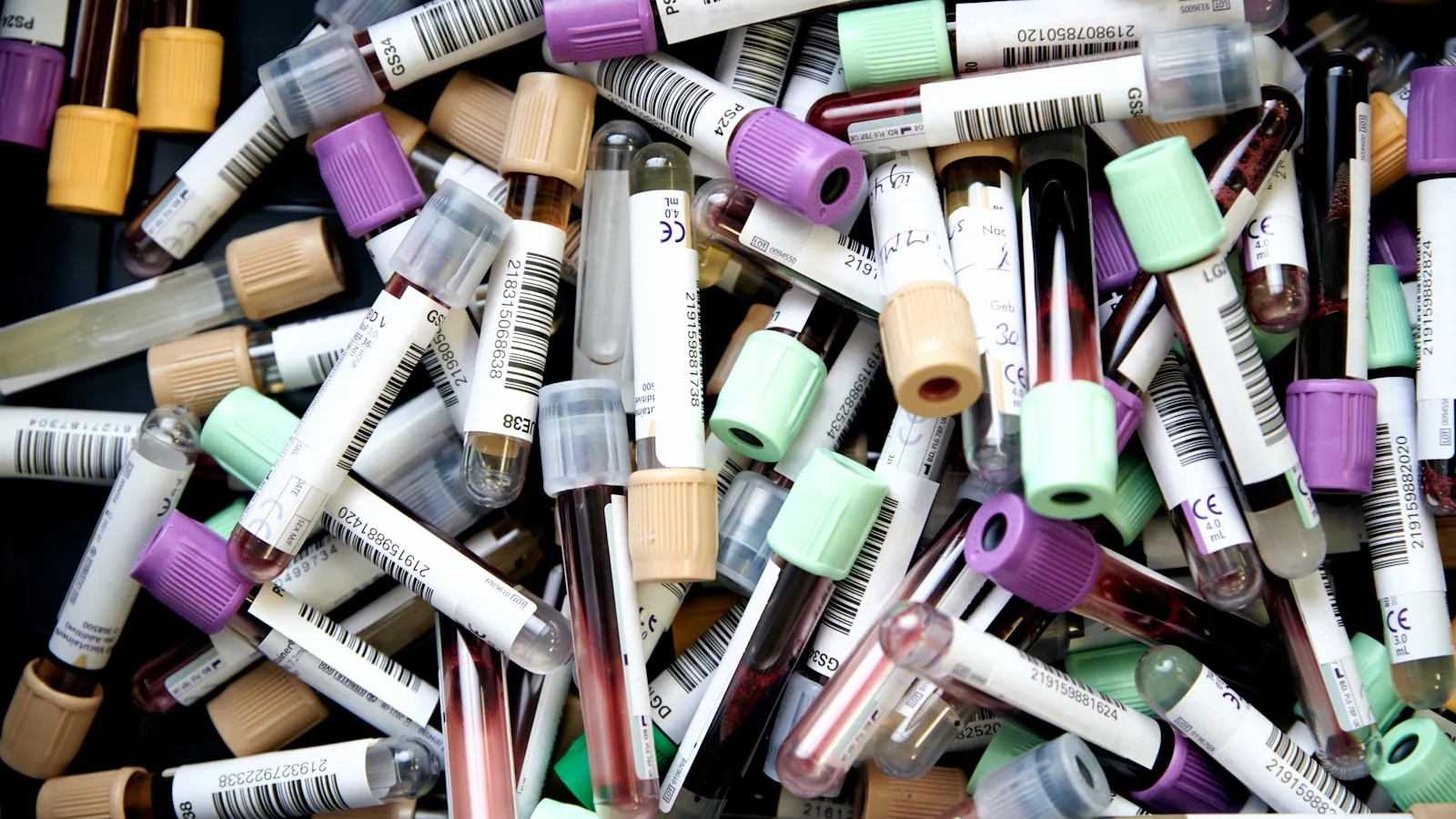
Your result lands on your phone: fasting glucose 6.3 mmol/L. Just outside the range. Before your heart starts pounding: a single morning value says little on its own. Fasting glucose is your blood sugar measured after at least 8 hours without food, a snapshot of how your body handles sugar at rest. The pattern across several measurements matters far more than one isolated number.
What I often tell people: an abnormal fasting glucose is an invitation to look again, not a final verdict. Stress, a poor night or not truly fasting can push your value up on that one morning.
What are normal values for fasting glucose?
Most labs treat a fasting glucose up to about 6.0 mmol/L as normal. Above that, doctors distinguish two zones. The table below summarises the limits doctors often use. Lab limits vary slightly, so always check the reference on your own result.
| Fasting glucose (mmol/L) | Interpretation doctors often use | What it means |
|---|---|---|
| 4.0 to 6.0 | Generally normal | No sign of a disrupted sugar metabolism |
| 6.1 to 6.9 | Impaired fasting glucose | Raised risk, often called prediabetes |
| 7.0 or higher | May point to diabetes | Needs confirmation with a second measurement or further testing |
You can have the value measured through your fasting glucose. Alongside glucose, your HbA1c gives an average across weeks, which nicely complements the snapshot.
What does a high fasting glucose mean?
A raised fasting glucose can point to insulin resistance or an early disruption of your sugar metabolism. But it can also be temporarily raised by stress, illness, poor sleep or not truly fasting. That is why a doctor almost always repeats an abnormal measurement before drawing a conclusion. A raised glucose is therefore rarely a diagnosis straight away.
Read in our explainer on insulin resistance why your glucose can still be normal while something is already changing under the surface. For the bigger picture there is our pillar on preventing type 2 diabetes, and if your value sits in the prediabetes zone, read about prediabetes and how to reverse it.
How do you prepare for a fasting glucose test?
For a reliable fasting measurement you eat nothing for at least 8 hours and drink only water. Leave coffee, tea with sugar and juice until after the blood draw. Schedule the draw preferably in the morning, after a normal night. A diabetes blood test measures glucose together with HbA1c, so you get more context than with glucose alone. If you want to look broader, a complete metabolic panel also covers liver, kidney and fats.
The WHO uses the threshold of 7.0 mmol/L for fasting glucose in its definition of diabetes, provided it is confirmed. The Diabetes Fonds points out that the zone just below, impaired fasting glucose, is a valuable early signal: it gives time to adjust with lifestyle before diabetes develops. That in-between zone is exactly why a preventive measurement can be useful.
Glucose and HbA1c are best read together
Fasting glucose and HbA1c look at the same metabolism from different angles, and that is exactly why they complement each other. Glucose is the snapshot of a single morning and is sensitive to stress, sleep and your last meal. HbA1c is the average over two to three months and is insensitive to what you did that morning. A normal glucose with a slightly raised HbA1c can mean that your sugar is high more often across the day than a single fasting draw shows.
So it can be confusing when the two values do not tell the same story. A doctor then looks at the whole picture: your symptoms, your risk factors and, if needed, a repeat measurement. A single abnormal glucose rarely gets a label straight away, precisely because a second measurement or the HbA1c often brings more calm and clarity. If you want to dive deeper into the mechanics, read our explainer on the HbA1c value.
Frequently asked questions
Can I drink water before a fasting glucose test?
Yes, water is fine. Coffee, tea with sugar and other drinks can affect your value, so leave those until after the blood draw.
Can stress raise my fasting glucose?
Yes, short-term stress or illness can temporarily raise your blood sugar. That is why a doctor prefers to look at several measurements rather than one single result.
How long before the test should I stop eating?
At least 8 hours without food gives a reliable fasting value. Many people therefore schedule the draw in the morning, after the night.
My advice: do not let an abnormal fasting glucose run your day, but do not ignore it either. Discuss a high value with your GP, certainly if it repeats. Every blood test result at Vitalcheck includes a professional assessment by a BIG-registered doctor. A blood value is not a diagnosis: always discuss treatment decisions with your GP.
References
- NHG guideline Diabetes mellitus type 2. Dutch College of General Practitioners. 2021.
- World Health Organization. Definition and diagnosis of diabetes mellitus and intermediate hyperglycaemia. 2006.
- Diabetes Fonds. Prediabetes and impaired fasting glucose. Accessed 2026.
Autor
Vitalcheck
Dr. Naimi, lekarz wpisany do holenderskiego rejestru BIG, nadzoruje standardy medyczne naszych treści i ocen. Przeczytaj naszą politykę medyczną
Powiązane badania
Powiązane artykuły

What is a normal blood sugar in older adults?

The yo-yo effect: why weight comes back, and what actually works