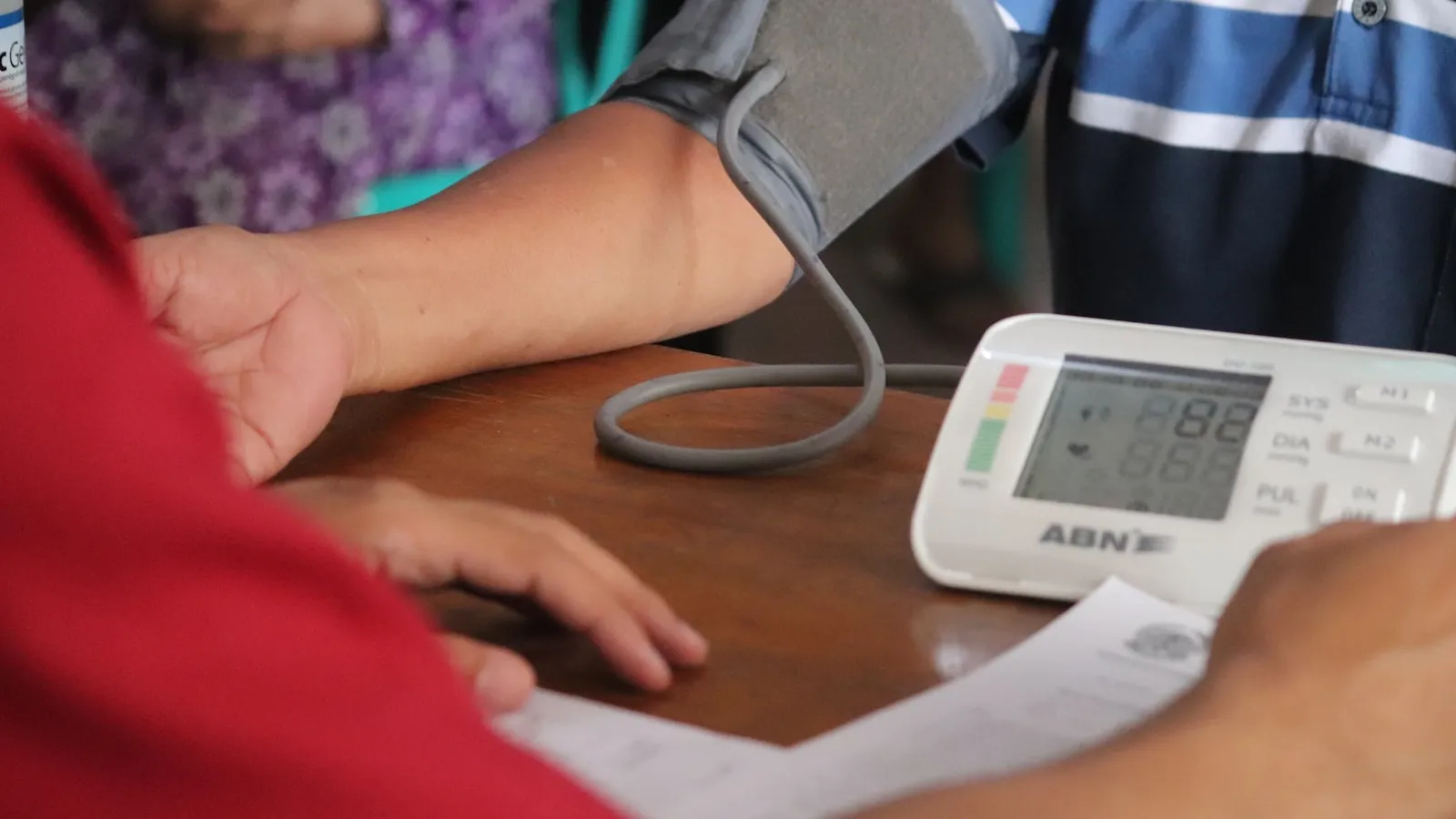
HbA1c Test
Measure your HbA1c, your average blood sugar over the past weeks. No referral needed.
HbA1c is the gold standard for assessing diabetes risk and long-term metabolic health. Regular monitoring is essential for proactive prevention.
Doctor's Assessment Included
| Result | Value (mmol/mol) |
|---|---|
| Low | < 20 |
| Normal | 20–42 |
| Borderline | 42–48 |
| Elevated | ≥ 48 |
The NHG advises against using HbA1c to detect or diagnose diabetes. In the Netherlands the diagnosis is made with fasting glucose. An HbA1c of 48 mmol/mol or higher fits diabetes and must be confirmed with a second measurement; an HbA1c below 48 does not rule out diabetes.
Source: Nederlands Huisartsen Genootschap Reference population: Dutch adults (SHO reference values, IFCC)
Source: SHO Reference population: Dutch adults (SHO reference values, IFCC)
Reference ranges may vary between laboratories. When you order a test, a BIG-registered doctor assesses your personal results in context. For treatment decisions, discuss your results with your GP.
This test measures the percentage of haemoglobin in red blood cells that has glucose attached to it. Higher percentages indicate higher average blood sugar over the preceding months.
HbA1c provides a long-term view of blood sugar control, unlike fasting glucose which reflects a single point in time. It is essential for diabetes diagnosis and management. Consult your healthcare provider.
Testing is recommended for routine diabetes screening, monitoring diabetes management, or evaluating risk of pre-diabetes. It does not require fasting, making it convenient for any time of day.
Very low HbA1c may indicate frequent hypoglycaemia episodes or certain blood conditions. It should be discussed with your healthcare provider.
Elevated HbA1c may not cause immediate symptoms but indicates poor long-term blood sugar control. Over time, this may be associated with increased risk of cardiovascular, nerve, kidney, and eye complications.
Low HbA1c is normal and indicates good blood sugar control.
Elevated HbA1c indicates diabetes or poor blood sugar control. Consider lifestyle changes and treatment.
Low HbA1c is normal and indicates good blood sugar control.
Elevated HbA1c indicates diabetes or poor blood sugar control. Consider lifestyle changes and treatment.
Consistent carbohydrate management, regular physical activity, maintaining a healthy weight, and managing stress are key to keeping HbA1c within a healthy range. Small, sustained changes are more effective than drastic diets.
No, HbA1c does not require fasting. It measures average blood sugar over months, so a single meal will not significantly affect the result.
For diabetes monitoring, testing every 3-6 months is common. For screening, your healthcare provider will recommend an appropriate frequency.
Reference ranges vary by guideline. Your healthcare provider can interpret your result and explain what it means for your individual health.
This marker is included in the following test panels.
Measure your HbA1c, your average blood sugar over the past weeks. No referral needed.
Fasting glucose and HbA1c: screen for prediabetes.
A 6-biomarker gut health panel inspired by InsideTracker's Gut Health category — the blood values behind your gut score: blood sugar regulation, inflammation, stress and blood lipids.
A 7-biomarker cognition panel inspired by InsideTracker's Cognition category — blood sugar regulation, insulin, cortisol, B12 and folate behind your cognition score.
Medical reviewer
Dr. Naimi oversees the medical standards behind our content and assessments.
Medical policyDoctor's Assessment Included
Every result includes a professional assessment from a BIG-registered doctor. For treatment decisions, discuss your results with your GP.
HbA1c (Glycated Hemoglobin)
€27,-
We use cookies to analyze site usage and measure ad effectiveness. Privacy Policy