

Whoop blood test
A 44-biomarker comprehensive health panel inspired by WHOOP Advanced Labs — a deep look at metabolism, cardiovascular risk, hormones, liver, kidney and inflammation.
Add to your order
No referral needed
Added to your order
Click the button to view your cart
Included Markers
44 markersFrom order to report in 4 steps
A blood test without referral means no waiting. Just order and go.
Choose your blood test
Browse our blood tests and pick what you want checked. Compare markers and prices, or build a custom test.
Receive your lab referral
Within 2-3 hours you'll receive an email from ZorgDomein with a barcode. Orders outside business hours are processed the next business day.
Get tested at a lab near you
Show the barcode on your phone and bring a valid ID. Done in under 15 minutes.
Receive your report from the doctor
A BIG-registered physician reviews your results and writes a personal report. On your dashboard within a few business days.
Choose your blood test
Browse our blood tests and pick what you want checked. Compare markers and prices, or build a custom test.
Receive your lab referral
Within 2-3 hours you'll receive an email from ZorgDomein with a barcode. Orders outside business hours are processed the next business day.
Get tested at a lab near you
Show the barcode on your phone and bring a valid ID. Done in under 15 minutes.
Receive your report from the doctor
A BIG-registered physician reviews your results and writes a personal report. On your dashboard within a few business days.
Always a location near you
With more than 650+ certified phlebotomy points across the Netherlands.
What We Test
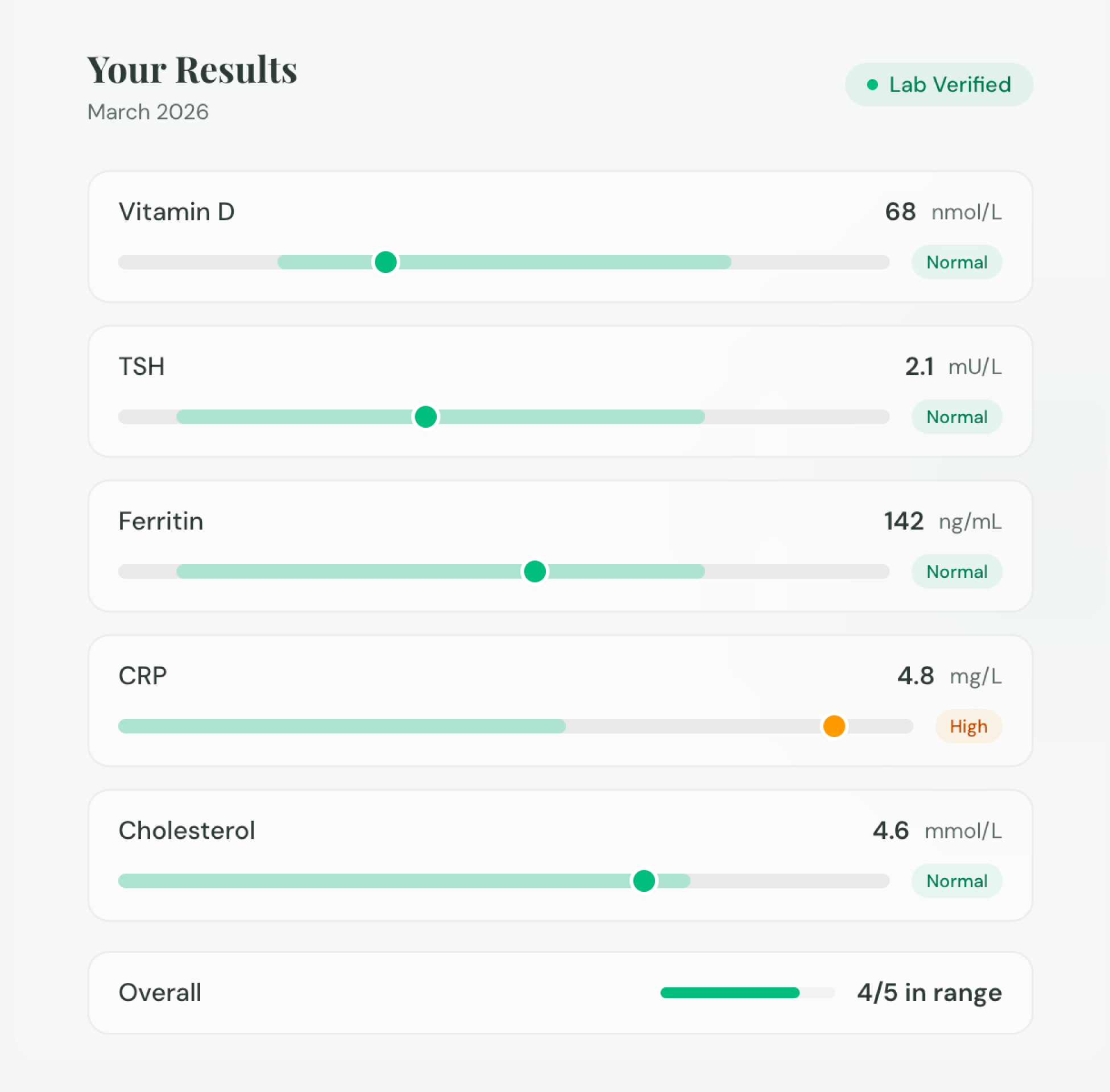
This health panel includes 44 biomarkers to give you a comprehensive picture of your health.
Sex hormone-binding globulin (SHBG) is a protein produced by the liver that binds to sex hormones, including testosterone and estrogen. It helps regulate the amount of free, active hormones available in the body.
Learn moreThyroid-stimulating hormone (TSH) is produced by the pituitary gland and serves as the master regulator of thyroid function. TSH levels may help indicate whether the thyroid is producing appropriate amounts of hormones. Your healthcare provider can interpret your TSH results.
Learn moreALT (alanine aminotransferase) is a liver enzyme that serves as a key indicator of liver health. Elevated levels may suggest liver cell damage and can be associated with various liver conditions.
Learn moreLDL (Low-Density Lipoprotein) cholesterol is often called "bad" cholesterol because elevated levels can lead to plaque build-up in artery walls, increasing the risk of heart attack and stroke.
Learn moreCortisol is the body's primary stress hormone, produced by the adrenal glands. It regulates metabolism, immune responses, and the sleep-wake cycle. Levels follow a natural daily rhythm, peaking in the morning and declining throughout the day.
Learn moreDHEA-S (dehydroepiandrosterone sulfate) is the most abundant adrenal hormone and serves as a precursor to both oestrogen and testosterone. It declines naturally with age and reflects overall adrenal reserve.
Learn moreEstradiol (E2) is the most potent form of estrogen, playing a key role in reproductive health, bone density, and cardiovascular function. Abnormal levels may indicate hormonal imbalances that your healthcare provider can help evaluate.
Learn moreFree testosterone is the unbound, bioavailable form of testosterone that can directly enter cells and activate receptors. It may indicate your body's functional androgen activity. Your healthcare provider can help interpret what your levels mean.
Learn moreFollicle-stimulating hormone (FSH) is produced by the pituitary gland and plays an essential role in reproductive function. It regulates egg development in women and sperm production in men. Abnormal levels may indicate changes in fertility or hormonal health.
Learn moreAn LH blood test measures luteinizing hormone, a pituitary hormone essential for reproductive function. LH plays a key role in triggering ovulation in women and stimulating testosterone production in men.
Learn moreTotal testosterone measures the combined amount of bound and free testosterone in the blood. As the primary androgen, testosterone may influence muscle mass, bone density, libido, mood, and energy levels in both men and women.
Learn moreBicarbonate is an electrolyte that helps maintain the body's acid-base balance. It acts as a buffer in the blood, neutralising excess acids and helping to keep your pH within a healthy range.
Learn moreCalcium is the most abundant mineral in the body, essential for strong bones and teeth, muscle contraction, nerve signalling, and blood clotting. Most calcium is stored in bones and teeth, with a small amount circulating in the blood.
Learn moreChloride is an essential electrolyte that helps maintain fluid balance, blood pressure, and the body's acid-base equilibrium. It works closely with sodium and potassium to regulate these vital functions.
Learn moreFerritin is a protein that stores iron in your cells and releases it when your body needs it. Blood ferritin levels reflect your body's total iron stores and are the most sensitive indicator for iron deficiency.
Learn moreSerum iron measures the amount of circulating iron in your blood. Iron is essential for haemoglobin production, oxygen transport, and energy metabolism throughout the body.
Learn moreMagnesium is an essential mineral involved in over 300 enzymatic reactions in the body, including energy production, muscle and nerve function, blood sugar regulation, and bone development.
Learn morePotassium is an essential electrolyte and mineral that helps regulate heartbeat, muscle contractions, nerve signals, and fluid balance. It is one of the most important minerals for cardiovascular health.
Learn moreSodium is a vital electrolyte that regulates fluid balance, blood pressure, and nerve and muscle function. It is the primary cation in extracellular fluid and is closely regulated by the kidneys.
Learn moreTransferrin is the main protein responsible for transporting iron in the blood. It carries iron from the gut and storage sites to cells that need it, including bone marrow for red blood cell production.
Learn moreC-Reactive Protein (CRP) is a protein produced by the liver in response to inflammation. It is a general marker of inflammation and can rise rapidly during infections, injuries, or chronic inflammatory conditions.
Learn moreHomocysteine is an amino acid produced during protein metabolism. Elevated levels may be associated with an increased risk of cardiovascular disease, cognitive decline, and other health conditions.
Learn moreFasting glucose measures the level of sugar (glucose) in your blood after an overnight fast. It is one of the primary tests used to screen for and monitor diabetes and pre-diabetes.
Learn moreHbA1c (glycated haemoglobin) reflects your average blood sugar levels over the past 2-3 months. It is the gold standard for long-term blood sugar monitoring and diabetes management.
Learn moreApolipoprotein B (ApoB) is the main protein on LDL and other atherogenic lipoproteins. Each atherogenic particle carries exactly one ApoB molecule, making it a precise measure of the total number of particles that can contribute to plaque formation.
Learn moreHDL (High-Density Lipoprotein) cholesterol is often called "good" cholesterol because it helps transport excess cholesterol from the arteries back to the liver for removal. Higher HDL levels are generally associated with lower cardiovascular risk.
Learn moreThe Omega-3 Index measures the percentage of EPA and DHA omega-3 fatty acids in your red blood cell membranes. It is a validated biomarker for cardiovascular risk and reflects your long-term omega-3 status.
Learn moreTotal cholesterol measures the combined amount of HDL, LDL, and VLDL cholesterol in your blood. It provides an overview of your lipid status but should be interpreted alongside individual components for a complete cardiovascular risk picture.
Learn moreAlbumin is the most abundant protein in the blood, produced by the liver. It maintains fluid balance, transports hormones and nutrients, and serves as an indicator of liver and kidney function.
Learn moreHOMA-IR (Homeostatic Model Assessment for Insulin Resistance) is a calculated index derived from fasting glucose and fasting insulin levels. It is widely used to estimate insulin resistance, a condition where the body's cells respond less effectively to insulin.
Learn moreAlkaline Phosphatase (ALP) is an enzyme found in the liver, bones, kidneys, and digestive system. ALP levels can help evaluate liver health, bone disorders, and bile duct function.
Learn moreAST (aspartate aminotransferase) is an enzyme found in the liver, heart, and muscle cells. Elevated levels may indicate liver damage, but because AST is present in multiple tissues, results are best interpreted alongside other liver markers such as ALT.
Learn moreTotal bilirubin measures the combined amount of direct and indirect bilirubin in your blood. Bilirubin is a waste product formed during the normal breakdown of red blood cells, and elevated levels may indicate liver disease, bile duct problems, or increased red blood cell destruction.
Learn moreTotal protein measures the combined amount of albumin and globulins in your blood. These proteins play essential roles in maintaining fluid balance, fighting infections, transporting substances, and supporting tissue repair.
Learn moreBUN (blood urea nitrogen) measures the amount of urea nitrogen in your blood, a waste product formed when the body breaks down protein. It is primarily used to evaluate kidney function and can be influenced by diet, hydration status, and liver health.
Learn moreCreatinine is a waste product generated by normal muscle metabolism that is filtered out of the blood by the kidneys. It is widely regarded as the gold standard marker for evaluating kidney function, as consistent production makes it a reliable indicator of filtration efficiency.
Learn moreVitamin D is a fat-soluble vitamin that plays a key role in calcium absorption, bone health, and immune function. It is primarily produced in the skin through sunlight exposure and can also be obtained from certain foods and supplements.
Learn moreeGFR (estimated glomerular filtration rate) is a calculated measure of how effectively your kidneys filter waste from the blood. It is the gold standard for diagnosing and staging chronic kidney disease and is derived from blood creatinine or cystatin C levels along with demographic factors.
Learn moreFasting insulin measures the amount of insulin in your blood after an overnight fast. It helps assess how efficiently your body manages blood sugar and can reveal insulin resistance before glucose levels become abnormal.
Learn moreA leukocyte differential test measures the relative proportions of different types of white blood cells in your blood. It provides a detailed breakdown of your immune cell populations, offering valuable insight into your immune system's function.
Learn moreTransferrin saturation measures the percentage of the iron-transport protein transferrin that is occupied by iron. It is a key indicator of your body's iron status and helps distinguish between different causes of iron-related disorders.
Learn moreLipoprotein(a), or Lp(a), is a genetically determined lipoprotein particle similar to LDL. Elevated levels are an independent risk factor for cardiovascular disease and cannot be significantly changed through lifestyle alone.
Learn moreTriglycerides are the most common type of fat in the body, used for energy storage. Elevated levels may be associated with increased risk of cardiovascular disease, especially when combined with other lipid abnormalities.
Learn moreA complete blood count (CBC) is a comprehensive blood test that evaluates the major components of your blood: red blood cells, white blood cells, and platelets. It is one of the most commonly ordered blood tests and provides a broad overview of your overall health.
Learn moreSHBG (Sex Hormone Binding Globulin)
HormonesSex hormone-binding globulin (SHBG) is a protein produced by the liver that binds to sex hormones, including testosterone and estrogen. It helps regulate the amount of free, active hormones available in the body.
SHBG levels may help explain symptoms related to hormone imbalances even when total hormone levels appear normal. Understanding SHBG can provide a more complete picture of hormonal health. Consult your healthcare provider to interpret results.
TSH (Thyroid Stimulating Hormone)
ThyroidThyroid-stimulating hormone (TSH) is produced by the pituitary gland and serves as the master regulator of thyroid function. TSH levels may help indicate whether the thyroid is producing appropriate amounts of hormones. Your healthcare provider can interpret your TSH results.
TSH is widely considered the most sensitive initial screening test for thyroid disorders. Even subtle changes in thyroid function may be reflected in TSH levels before other thyroid markers become abnormal. Your healthcare provider may use TSH as a starting point for comprehensive thyroid evaluation.
ALT (Alanine Aminotransferase)
LiverALT (alanine aminotransferase) is a liver enzyme that serves as a key indicator of liver health. Elevated levels may suggest liver cell damage and can be associated with various liver conditions.
ALT levels provide important insight into liver function. Elevated levels may indicate conditions such as hepatitis, fatty liver disease, or medication-related liver damage. Early detection of elevated ALT can help identify liver problems before symptoms develop, allowing for timely intervention and lifestyle modifications.
LDL Cholesterol
CardiovascularLDL (Low-Density Lipoprotein) cholesterol is often called "bad" cholesterol because elevated levels can lead to plaque build-up in artery walls, increasing the risk of heart attack and stroke.
LDL cholesterol is a primary driver of atherosclerosis. Lowering elevated LDL is one of the most effective strategies for reducing cardiovascular disease risk. Consult your healthcare provider for personalised targets.
Cortisol
HormonesCortisol is the body's primary stress hormone, produced by the adrenal glands. It regulates metabolism, immune responses, and the sleep-wake cycle. Levels follow a natural daily rhythm, peaking in the morning and declining throughout the day.
Cortisol imbalances may indicate adrenal dysfunction or chronic stress. Persistently elevated levels could suggest increased cardiovascular and metabolic risk. Low levels may point to adrenal insufficiency. Consult your healthcare provider for interpretation.
DHEA-S
HormonesDHEA-S (dehydroepiandrosterone sulfate) is the most abundant adrenal hormone and serves as a precursor to both oestrogen and testosterone. It declines naturally with age and reflects overall adrenal reserve.
DHEA-S levels decline significantly with age and low values could suggest adrenal insufficiency or premature ageing. High levels may indicate adrenal overactivity or other hormonal conditions. Consult your healthcare provider for interpretation.
Estradiol (E2)
HormonesEstradiol (E2) is the most potent form of estrogen, playing a key role in reproductive health, bone density, and cardiovascular function. Abnormal levels may indicate hormonal imbalances that your healthcare provider can help evaluate.
Estradiol influences bone health, mood regulation, and reproductive function. Imbalanced levels could suggest conditions affecting fertility, menstrual regularity, or overall hormonal health. Discussing your results with a healthcare provider may help identify underlying causes and appropriate next steps.
Free Testosterone
HormonesFree testosterone is the unbound, bioavailable form of testosterone that can directly enter cells and activate receptors. It may indicate your body's functional androgen activity. Your healthcare provider can help interpret what your levels mean.
Free testosterone drives muscle development, energy levels, mood, and sexual function. Even when total testosterone appears normal, low free testosterone could suggest functional deficiency. Discussing your results with a healthcare provider may help identify whether further evaluation is warranted.
FSH (Follicle Stimulating Hormone)
HormonesFollicle-stimulating hormone (FSH) is produced by the pituitary gland and plays an essential role in reproductive function. It regulates egg development in women and sperm production in men. Abnormal levels may indicate changes in fertility or hormonal health.
FSH is a key indicator of reproductive health and pituitary function. Elevated levels could suggest diminished ovarian reserve or primary gonadal failure, while low levels may indicate pituitary dysfunction. Discussing your results with a healthcare provider may help clarify your reproductive health status.
LH (Luteinizing Hormone)
HormonesAn LH blood test measures luteinizing hormone, a pituitary hormone essential for reproductive function. LH plays a key role in triggering ovulation in women and stimulating testosterone production in men.
Monitoring LH is important because abnormal levels could suggest reproductive disorders, pituitary dysfunction, or hormonal imbalances. In women, LH patterns may help evaluate ovulation and menstrual cycle regularity.
Total Testosterone
HormonesTotal testosterone measures the combined amount of bound and free testosterone in the blood. As the primary androgen, testosterone may influence muscle mass, bone density, libido, mood, and energy levels in both men and women.
Testosterone plays a fundamental role in many bodily functions for both sexes. Imbalances could potentially affect energy, mood, body composition, and reproductive health. Your healthcare provider can help evaluate your levels in the context of your overall health.
Bicarbonate
MineralsBicarbonate is an electrolyte that helps maintain the body's acid-base balance. It acts as a buffer in the blood, neutralising excess acids and helping to keep your pH within a healthy range.
Proper bicarbonate levels are essential for maintaining blood pH. Imbalances may indicate respiratory or metabolic conditions and can affect organ function. Consult your healthcare provider for interpretation of your results.
Calcium
MineralsCalcium is the most abundant mineral in the body, essential for strong bones and teeth, muscle contraction, nerve signalling, and blood clotting. Most calcium is stored in bones and teeth, with a small amount circulating in the blood.
Calcium balance is critical for bone health, heart function, and muscle contraction. Abnormal levels may be associated with bone disorders, parathyroid conditions, or kidney problems. Consult your healthcare provider for personalised advice.
Chloride
MineralsChloride is an essential electrolyte that helps maintain fluid balance, blood pressure, and the body's acid-base equilibrium. It works closely with sodium and potassium to regulate these vital functions.
Chloride imbalances can indicate dehydration, kidney disease, or acid-base disturbances. Maintaining proper chloride levels is important for overall metabolic health. Consult your healthcare provider for result interpretation.
Ferritin
MineralsFerritin is a protein that stores iron in your cells and releases it when your body needs it. Blood ferritin levels reflect your body's total iron stores and are the most sensitive indicator for iron deficiency.
Iron is essential for oxygen transport, energy production, and immune function. Ferritin testing helps detect iron deficiency before anaemia develops, or iron overload which can damage organs. Consult your healthcare provider for personalised advice.
Iron (Serum)
MineralsSerum iron measures the amount of circulating iron in your blood. Iron is essential for haemoglobin production, oxygen transport, and energy metabolism throughout the body.
Iron is vital for producing red blood cells and carrying oxygen. Both low and high levels can affect your health. Serum iron is best interpreted alongside ferritin and TIBC for a complete picture. Consult your healthcare provider.
Magnesium
MineralsMagnesium is an essential mineral involved in over 300 enzymatic reactions in the body, including energy production, muscle and nerve function, blood sugar regulation, and bone development.
Magnesium supports heart rhythm, muscle relaxation, nerve signalling, and bone health. Deficiency is common and may be associated with muscle cramps, fatigue, and cardiovascular issues. Consult your healthcare provider for personalised advice.
Potassium
MineralsPotassium is an essential electrolyte and mineral that helps regulate heartbeat, muscle contractions, nerve signals, and fluid balance. It is one of the most important minerals for cardiovascular health.
Potassium is critical for maintaining heart rhythm, blood pressure regulation, and proper muscle function. Both low and high levels can be dangerous and may require medical attention. Consult your healthcare provider for interpretation.
Sodium
MineralsSodium is a vital electrolyte that regulates fluid balance, blood pressure, and nerve and muscle function. It is the primary cation in extracellular fluid and is closely regulated by the kidneys.
Sodium balance is essential for proper nerve transmission, muscle contraction, and blood pressure regulation. Significant imbalances can affect brain function and require medical attention. Consult your healthcare provider for guidance.
Transferrin
MineralsTransferrin is the main protein responsible for transporting iron in the blood. It carries iron from the gut and storage sites to cells that need it, including bone marrow for red blood cell production.
Transferrin levels help determine whether your body is getting enough iron and transporting it effectively. Abnormal levels may indicate iron deficiency, overload, liver disease, or chronic conditions. Consult your healthcare provider for interpretation.
CRP (C-Reactive Protein)
InflammationC-Reactive Protein (CRP) is a protein produced by the liver in response to inflammation. It is a general marker of inflammation and can rise rapidly during infections, injuries, or chronic inflammatory conditions.
CRP is a sensitive indicator of inflammation. Monitoring can help track infections, autoimmune conditions, and post-surgical recovery. Chronically elevated CRP may be associated with increased health risks. Consult your healthcare provider.
Homocysteine
InflammationHomocysteine is an amino acid produced during protein metabolism. Elevated levels may be associated with an increased risk of cardiovascular disease, cognitive decline, and other health conditions.
Elevated homocysteine may be associated with cardiovascular disease, blood clots, and cognitive decline. It can also indicate B-vitamin deficiencies. Consult your healthcare provider for personalised guidance.
Glucose (Fasting)
MetabolicFasting glucose measures the level of sugar (glucose) in your blood after an overnight fast. It is one of the primary tests used to screen for and monitor diabetes and pre-diabetes.
Fasting glucose is a cornerstone of metabolic health assessment. Elevated levels may indicate pre-diabetes or diabetes, while very low levels can also be clinically significant. Consult your healthcare provider for interpretation.
HbA1c (Glycated Hemoglobin)
MetabolicHbA1c (glycated haemoglobin) reflects your average blood sugar levels over the past 2-3 months. It is the gold standard for long-term blood sugar monitoring and diabetes management.
HbA1c provides a long-term view of blood sugar control, unlike fasting glucose which reflects a single point in time. It is essential for diabetes diagnosis and management. Consult your healthcare provider.
ApoB (Apolipoprotein B)
CardiovascularApolipoprotein B (ApoB) is the main protein on LDL and other atherogenic lipoproteins. Each atherogenic particle carries exactly one ApoB molecule, making it a precise measure of the total number of particles that can contribute to plaque formation.
ApoB may be a stronger predictor of cardiovascular events than LDL cholesterol because it counts all atherogenic particles, not just cholesterol content. Elevated ApoB may increase risk even when LDL appears normal. Consult your healthcare provider.
HDL Cholesterol
CardiovascularHDL (High-Density Lipoprotein) cholesterol is often called "good" cholesterol because it helps transport excess cholesterol from the arteries back to the liver for removal. Higher HDL levels are generally associated with lower cardiovascular risk.
HDL cholesterol is a key component of cardiovascular risk assessment. Low HDL may be associated with increased heart disease risk, while healthy levels support arterial protection. Consult your healthcare provider for personalised guidance.
Omega-3 Index
CardiovascularThe Omega-3 Index measures the percentage of EPA and DHA omega-3 fatty acids in your red blood cell membranes. It is a validated biomarker for cardiovascular risk and reflects your long-term omega-3 status.
An Omega-3 Index above 8% is generally associated with lower cardiovascular risk. Values below 4% may indicate increased risk. It is a modifiable marker that responds well to dietary changes. Consult your healthcare provider.
Total Cholesterol
CardiovascularTotal cholesterol measures the combined amount of HDL, LDL, and VLDL cholesterol in your blood. It provides an overview of your lipid status but should be interpreted alongside individual components for a complete cardiovascular risk picture.
Total cholesterol is a basic screening marker for cardiovascular risk. However, the breakdown into HDL, LDL, and triglycerides provides more actionable information. Consult your healthcare provider for interpretation.
Albumin
LiverAlbumin is the most abundant protein in the blood, produced by the liver. It maintains fluid balance, transports hormones and nutrients, and serves as an indicator of liver and kidney function.
Albumin is important for maintaining blood volume, transporting substances, and reflecting overall health status. Low levels may indicate liver disease, kidney disease, or malnutrition. Consult your healthcare provider.
HOMA-IR
MetabolicHOMA-IR (Homeostatic Model Assessment for Insulin Resistance) is a calculated index derived from fasting glucose and fasting insulin levels. It is widely used to estimate insulin resistance, a condition where the body's cells respond less effectively to insulin.
Insulin resistance is often linked to an increased risk of type 2 diabetes, metabolic syndrome, cardiovascular disease, and other metabolic conditions. HOMA-IR can help identify insulin resistance in its early stages, when lifestyle interventions may be most effective.
ALP (Alkaline Phosphatase)
LiverAlkaline Phosphatase (ALP) is an enzyme found in the liver, bones, kidneys, and digestive system. ALP levels can help evaluate liver health, bone disorders, and bile duct function.
ALP is a useful screening marker for liver and bone conditions. Elevated levels may indicate bile duct obstruction, liver disease, or bone disorders. Consult your healthcare provider for interpretation.
AST (Aspartate Aminotransferase)
LiverAST (aspartate aminotransferase) is an enzyme found in the liver, heart, and muscle cells. Elevated levels may indicate liver damage, but because AST is present in multiple tissues, results are best interpreted alongside other liver markers such as ALT.
AST levels provide important information about the health of your liver, heart, and muscles. Elevated levels may be associated with conditions such as hepatitis, cirrhosis, heart attack, or muscle injury. When evaluated alongside ALT, the AST:ALT ratio can help your healthcare provider identify the underlying cause of liver enzyme elevation. An AST:ALT ratio greater than 2:1, for instance, may suggest alcohol-related liver damage.
Bilirubin (Total)
LiverTotal bilirubin measures the combined amount of direct and indirect bilirubin in your blood. Bilirubin is a waste product formed during the normal breakdown of red blood cells, and elevated levels may indicate liver disease, bile duct problems, or increased red blood cell destruction.
Total bilirubin is a fundamental marker for assessing liver function and diagnosing the cause of jaundice. By comparing total bilirubin with direct bilirubin, healthcare providers can determine whether elevation is due to liver disease, bile duct obstruction, or haemolysis. Mild elevations may occur in common and generally harmless conditions such as Gilbert syndrome, which affects approximately 5-10% of the population. However, significant elevations warrant further investigation to rule out serious underlying conditions.
Total Protein
OtherTotal protein measures the combined amount of albumin and globulins in your blood. These proteins play essential roles in maintaining fluid balance, fighting infections, transporting substances, and supporting tissue repair.
Total protein levels provide a general overview of your nutritional status, liver function, kidney function, and immune system activity. Abnormal levels may prompt your healthcare provider to investigate specific protein fractions further.
Urea (BUN)
KidneyBUN (blood urea nitrogen) measures the amount of urea nitrogen in your blood, a waste product formed when the body breaks down protein. It is primarily used to evaluate kidney function and can be influenced by diet, hydration status, and liver health.
BUN is a valuable marker for assessing how effectively your kidneys are filtering waste from your blood. Elevated levels may indicate that the kidneys are not functioning optimally, which can be associated with dehydration, kidney disease, or other underlying conditions. Monitoring BUN alongside other kidney markers such as creatinine and eGFR provides a more comprehensive picture of renal health and helps detect potential problems early.
Creatinine
KidneyCreatinine is a waste product generated by normal muscle metabolism that is filtered out of the blood by the kidneys. It is widely regarded as the gold standard marker for evaluating kidney function, as consistent production makes it a reliable indicator of filtration efficiency.
Creatinine is central to assessing kidney health. It is used to calculate the estimated glomerular filtration rate (eGFR), which is the primary measure for staging chronic kidney disease. Early detection of rising creatinine levels can prompt timely intervention, helping to slow the progression of kidney damage. Monitoring creatinine is also important for adjusting medication dosages, as many drugs are cleared by the kidneys.
Vitamin D (25-OH)
VitaminsVitamin D is a fat-soluble vitamin that plays a key role in calcium absorption, bone health, and immune function. It is primarily produced in the skin through sunlight exposure and can also be obtained from certain foods and supplements.
Adequate vitamin D levels are essential for strong bones, a well-functioning immune system, and overall well-being. Low levels may be associated with an increased risk of bone disorders, mood changes, and weakened immunity. Consult your healthcare provider for personalised advice.
eGFR (Estimated Glomerular Filtration Rate)
KidneyeGFR (estimated glomerular filtration rate) is a calculated measure of how effectively your kidneys filter waste from the blood. It is the gold standard for diagnosing and staging chronic kidney disease and is derived from blood creatinine or cystatin C levels along with demographic factors.
eGFR is the most important single measure for assessing overall kidney function. It is used internationally to diagnose chronic kidney disease, determine its stage, and guide treatment decisions. Regular eGFR monitoring allows early detection of kidney function decline, often before symptoms appear. This is critical because early intervention can significantly slow the progression of kidney disease and reduce the risk of complications such as cardiovascular disease.
Insulin (Fasting)
MetabolicFasting insulin measures the amount of insulin in your blood after an overnight fast. It helps assess how efficiently your body manages blood sugar and can reveal insulin resistance before glucose levels become abnormal.
Fasting insulin can detect insulin resistance years before diabetes develops. Early detection allows for lifestyle interventions that may prevent progression. Consult your healthcare provider for personalised advice.
Leukocyte Differential
HematologyA leukocyte differential test measures the relative proportions of different types of white blood cells in your blood. It provides a detailed breakdown of your immune cell populations, offering valuable insight into your immune system's function.
The differential count helps healthcare providers pinpoint the nature of immune responses. For example, elevated neutrophils may suggest a bacterial infection, while increased eosinophils can indicate allergies or parasitic infections. It is a critical tool for diagnosing and monitoring many conditions.
Transferrin Saturation
MineralsTransferrin saturation measures the percentage of the iron-transport protein transferrin that is occupied by iron. It is a key indicator of your body's iron status and helps distinguish between different causes of iron-related disorders.
Transferrin saturation is one of the most informative markers for assessing iron balance. It can help identify iron deficiency before anemia develops and is also valuable for detecting iron overload conditions such as hemochromatosis.
Lipoprotein(a)
CardiovascularLipoprotein(a), or Lp(a), is a genetically determined lipoprotein particle similar to LDL. Elevated levels are an independent risk factor for cardiovascular disease and cannot be significantly changed through lifestyle alone.
Elevated Lp(a) is an independent and causal risk factor for cardiovascular disease. Since it is genetically determined, knowing your level helps assess inherent cardiovascular risk. Consult your healthcare provider for guidance.
Triglycerides
CardiovascularTriglycerides are the most common type of fat in the body, used for energy storage. Elevated levels may be associated with increased risk of cardiovascular disease, especially when combined with other lipid abnormalities.
Elevated triglycerides may contribute to atherosclerosis and are a component of metabolic syndrome. They are often elevated alongside insulin resistance. Consult your healthcare provider.
Complete Blood Count (CBC)
HematologyA complete blood count (CBC) is a comprehensive blood test that evaluates the major components of your blood: red blood cells, white blood cells, and platelets. It is one of the most commonly ordered blood tests and provides a broad overview of your overall health.
The CBC is a cornerstone of preventive healthcare and diagnostic medicine. It can help detect a wide range of conditions including anemia, infections, immune disorders, blood cancers, and clotting problems. Regular CBC testing supports early detection and ongoing health monitoring.
Related biomarkers
Biomarkers often explored alongside this test for a fuller picture.
17-OH Progesterone
17-OH Progesterone is a steroid hormone your body uses to produce cortisol and sex hormones. Monitoring this marker may help provide a more complete picture of your adrenal and hormonal health as part of preventive care.
ACTH (Adrenocorticotropic Hormone)
ACTH is a pituitary hormone that controls cortisol production by your adrenal glands. Monitoring ACTH levels as part of your health routine may help provide early insights into how well your stress response system is functioning.
AMH (Anti-Müllerian Hormone)
AMH (Anti-Müllerian Hormone) provides insight into ovarian reserve and reproductive health. Including this marker in your health monitoring may help you stay informed about fertility-related changes as part of proactive health management.
ASTO (Antistreptolysin O)
ASO testing helps detect post-streptococcal complications early. Including it in your health screening supports timely intervention and preventive care.
Active Vitamin B12
Active Vitamin B12 measures the bioavailable form of B12 your body can readily absorb and use. Monitoring this marker may help you stay informed about your nutritional status and overall energy levels.
Amitriptyline
Amitriptyline monitoring is part of a comprehensive approach to managing your prescribed medication. Tracking blood levels helps your healthcare team ensure your treatment plan is both safe and effective.
Related Health Panels
Discover more panels for a comprehensive health picture.
InsideTracker
A 36-biomarker performance and longevity panel inspired by InsideTracker Ultimate — covering heart, hormones, metabolism, inflammation, recovery and iron status.
Insulin Resistance (HOMA-IR)
A focused look at insulin resistance from fasting glucose and insulin, with your HOMA-IR score.
Extended Health Checkup
Broad health panel: CBC, thyroid, vitamins, lipids, liver, kidney, and HbA1c.
This test not quite right?
Build your own blood test from 258+ individual biomarkers — choose exactly what you need.
Have a question?
Our team is happy to help. Ask your question and we'll respond as soon as possible.