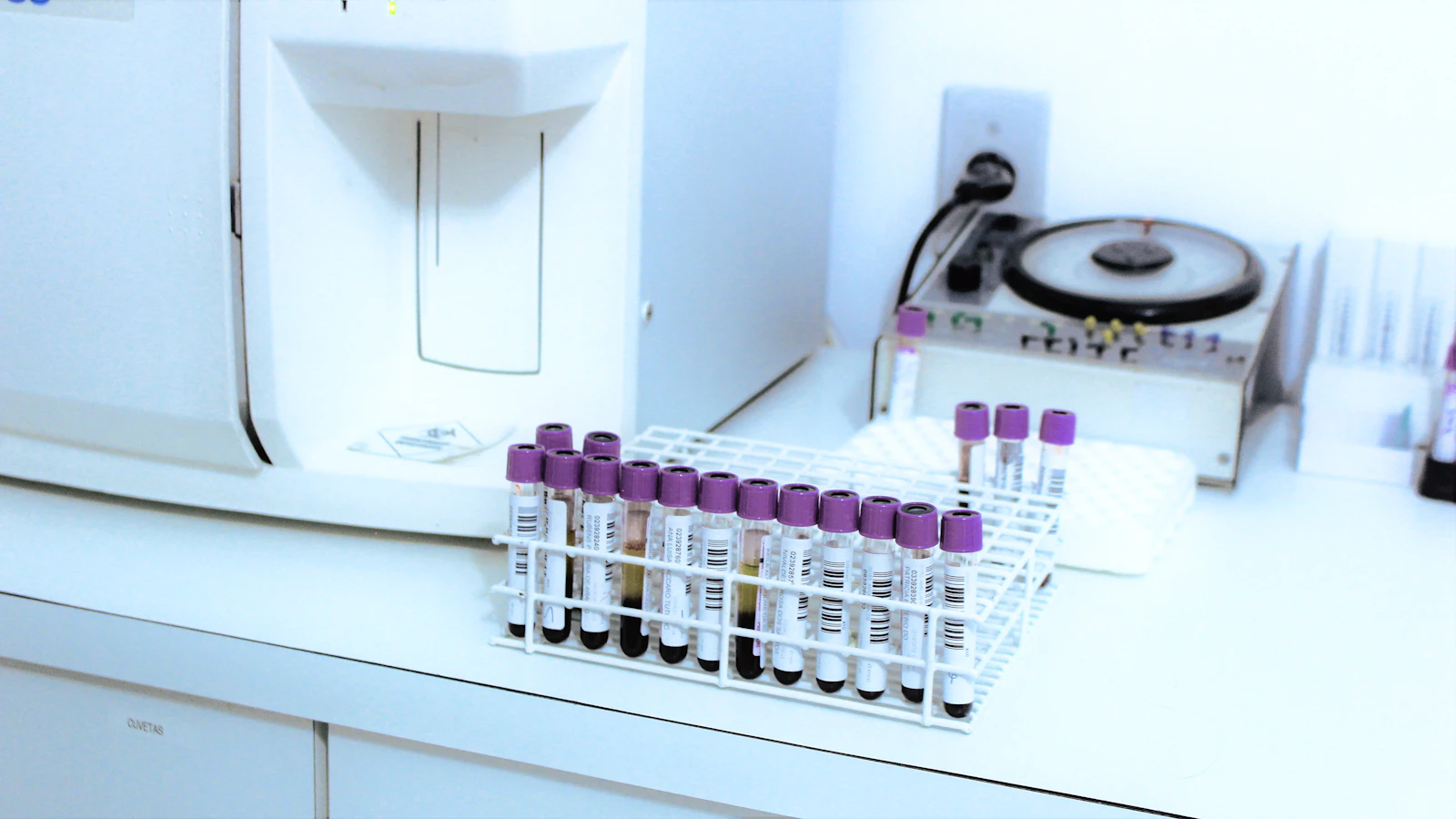
You have felt wiped out for weeks, get your blood drawn, and on top of everything a liver value comes back slightly raised. The conclusion seems obvious: it must be the liver. Yet that sum often does not add up. My take: a slightly abnormal liver value is rarely the real explanation for long-term tiredness, and if you stop there, you miss the more likely cause.
Below you will read when fatigue can be liver-related, when to look elsewhere, and which marker fits which pattern.
Are fatigue and liver values connected?
Sometimes, often not. In advanced liver disease fatigue does occur, but in the early stage, such as starting fatty liver, the liver usually causes no symptoms. A slightly abnormal value is therefore rarely the explanation for long-term tiredness on its own. To understand what an abnormal value means, read understanding liver values: ALAT, ASAT and gamma-GT.
Which cause fits which pattern?
| Pattern | Likely direction | Does it cause fatigue? |
|---|---|---|
| Only gamma-GT slightly raised | Alcohol or a medicine | Indirectly, via poor sleep |
| ALAT just over the limit, rest normal | Early fatty liver | Usually not at this stage |
| ASAT raised after hard training | Muscle damage, not the liver | Muscle fatigue, not liver fatigue |
| Liver values normal, still tired | Anaemia, thyroid, sleep | Yes, these are classic causes |
| Several values clearly raised | Warrants a doctor's review | Possibly yes |
When do abnormal liver values point to a liver problem?
The combination of factors counts. Your doctor looks at how strongly the value is raised, whether several enzymes deviate at once, and the pattern, such as the ratio between ASAT and ALAT. A repeat test after 4 to 6 weeks shows whether the deviation persists. Only then does further investigation make sense.
Other causes of fatigue with abnormal values
Abnormal liver values do not have to come from disease. Common, harmless explanations:
- Intense exercise: hard training can raise especially ASAT for days through muscle damage, with fatigue as a side effect.
- Alcohol: disrupts your sleep and raises gamma-GT.
- Medicines: some drugs cause both tiredness and higher liver values.
- Other causes of tiredness: anaemia, thyroid problems, lack of sleep or stress are unrelated to the liver.
The Dutch GP guidelines (NHG) list fatigue precisely as a complaint where common causes are considered first, not the liver straight away.
Which tests rule out the real causes of fatigue?
If you are structurally tired, it is smarter to tick off the known culprits than to fixate on one liver value. The most commonly missed causes of fatigue are well measured in blood:
- Iron deficiency: especially ferritin reflects your iron stores, a common cause of tiredness, certainly in women.
- Anaemia: haemoglobin shows whether you can carry enough oxygen.
- Thyroid: an underactive thyroid classically causes fatigue, feeling cold and weight gain.
- Blood sugar: a disturbed fasting glucose can cause energy dips and is also linked to fatty liver.
The useful thing about this approach is that you see in one go whether the cause lies outside the liver. Only when all of these are fine and your liver values are clearly and persistently abnormal does the liver become a more serious candidate.
When should you take your fatigue seriously?
A few busy weeks or a poor sleep period explain a lot of tiredness. It becomes a signal to look further if fatigue lasts more than a few weeks, does not improve with rest, or comes with other complaints. The Dutch GP guidelines (NHG) treat fatigue lasting more than a month as a reason to look for causes in a targeted way. Combine that with unexplained weight changes, fever or night sweats, and see your GP sooner rather than later.
What can you do yourself?
Examine the basics: enough sleep, less alcohol, healthy food and exercise. If your values and your energy improve together, the cause was probably lifestyle. If complaints persist, further investigation is wise. The complete metabolic panel from Vital Check measures your liver values alongside iron and glucose, with a doctor's review, so you do not get stuck on a single value. If you want to rule out the liver first, start with the liver function panel.
When to see your GP?
Make an appointment for persistent, unexplained fatigue combined with abnormal liver values, or for symptoms like jaundice, dark urine, weight loss or pain in the upper right of your abdomen. Public-health guidance and your GP always advise review in the case of jaundice.
One last practical tip: keep a short log of your fatigue for a few weeks. When are you tired, how did you sleep, how much did you move and drink? That pattern often gives your doctor more direction than a single abnormal liver value, and it helps you see whether a lifestyle change actually makes a difference before you go for further testing.
Frequently asked questions
Can a fatty liver cause fatigue?
It is sometimes reported, but in the early stage fatty liver usually causes no symptoms. With advanced fat build-up or inflammation, fatigue is more likely.
Do slightly raised liver values always cause symptoms?
No, usually not. Many people with a slightly raised value feel fine. That is exactly why deviations are often found by chance in blood tests.
How long does it take for liver values to recover?
With a lifestyle cause, often weeks to a few months. With alcohol, values usually normalise within 2 to 4 weeks of stopping.
Author
Vitalcheck
Dr. Naimi, BIG-registered physician, oversees the medical standards behind our content and assessments. Read our medical policy