Diabetes affects over 400 million people worldwide, and an estimated 1 in 3 adults has prediabetes—often without knowing it. Understanding your blood sugar levels and what they mean can help you take action before diabetes develops.
Why Blood Sugar Matters
Glucose is your body's primary fuel source. Your body carefully regulates blood sugar levels through insulin, a hormone produced by the pancreas.
When this system breaks down:
- Prediabetes: Blood sugar is elevated but not yet diabetic—a warning sign
- Type 2 diabetes: Blood sugar is chronically elevated, causing damage throughout the body
Uncontrolled blood sugar damages:
- Blood vessels and heart (heart disease, stroke)
- Kidneys (kidney failure)
- Eyes (blindness)
- Nerves (neuropathy)
- Immune system (increased infections)
Understanding Your Tests
Fasting Glucose
Blood sugar after an overnight fast (8-12 hours):
- Normal: Less than 100 mg/dL (5.6 mmol/L)
- Prediabetes: 100-125 mg/dL (5.6-6.9 mmol/L)
- Diabetes: 126 mg/dL (7.0 mmol/L) or higher on two separate tests
- Optimal: 70-90 mg/dL (4.0-5.0 mmol/L)
A single elevated result should be confirmed with repeat testing.
HbA1c (Glycated Hemoglobin)
Reflects your average blood sugar over the past 2-3 months:
- Normal: Less than 5.7%
- Prediabetes: 5.7-6.4%
- Diabetes: 6.5% or higher
- Optimal: Less than 5.5% (some argue below 5.0%)
HbA1c is valuable because it reflects long-term control, not just the morning of your test.
Fasting Insulin
Often overlooked but extremely valuable. Insulin can be elevated for years before glucose becomes abnormal:
- Optimal: Less than 6 µU/mL
- Concerning: Greater than 10 µU/mL suggests insulin resistance
High fasting insulin with normal glucose indicates early metabolic dysfunction—a time when lifestyle changes are most effective.
HOMA-IR
A calculation that estimates insulin resistance:
Formula: (Fasting insulin × Fasting glucose) ÷ 405
- Optimal: Less than 1.0
- Normal: Less than 2.0
- Insulin resistant: Greater than 2.0
The Prediabetes Opportunity
Prediabetes is not a life sentence—it's a warning and an opportunity:
- Up to 70% of people with prediabetes will develop diabetes without intervention
- But lifestyle changes can reduce diabetes risk by 58% (more effective than medication)
- Some people completely normalize their blood sugar with lifestyle changes
Improving Your Blood Sugar
Diet: The Most Powerful Tool
- Reduce refined carbohydrates: White bread, white rice, sugary cereals spike blood sugar
- Eliminate added sugars: Soda, juice, sweets, processed foods
- Increase fiber: Vegetables, legumes, whole grains slow glucose absorption
- Prioritize protein: Stabilizes blood sugar and promotes satiety
- Include healthy fats: Don't fear fat—it doesn't spike blood sugar
- Consider carb timing: Eating carbs last (after protein and vegetables) reduces glucose spikes
Exercise
- Immediate effect: Exercise acts like insulin, moving glucose into cells
- Long-term effect: Builds muscle, your largest glucose sink
- Walking after meals: Just 15 minutes significantly reduces post-meal glucose spikes
- Resistance training: Particularly effective for blood sugar control
Weight Management
- Losing 5-7% of body weight significantly improves insulin sensitivity
- Visceral fat (belly fat) is particularly harmful to blood sugar control
- Weight loss improves blood sugar even if you don't reach "ideal" weight
Sleep
- One night of poor sleep reduces insulin sensitivity by 25%
- Aim for 7-9 hours of quality sleep
- Treat sleep apnea if present—it worsens insulin resistance
Stress
- Chronic stress elevates cortisol, which raises blood sugar
- Stress management (meditation, exercise, therapy) improves blood sugar
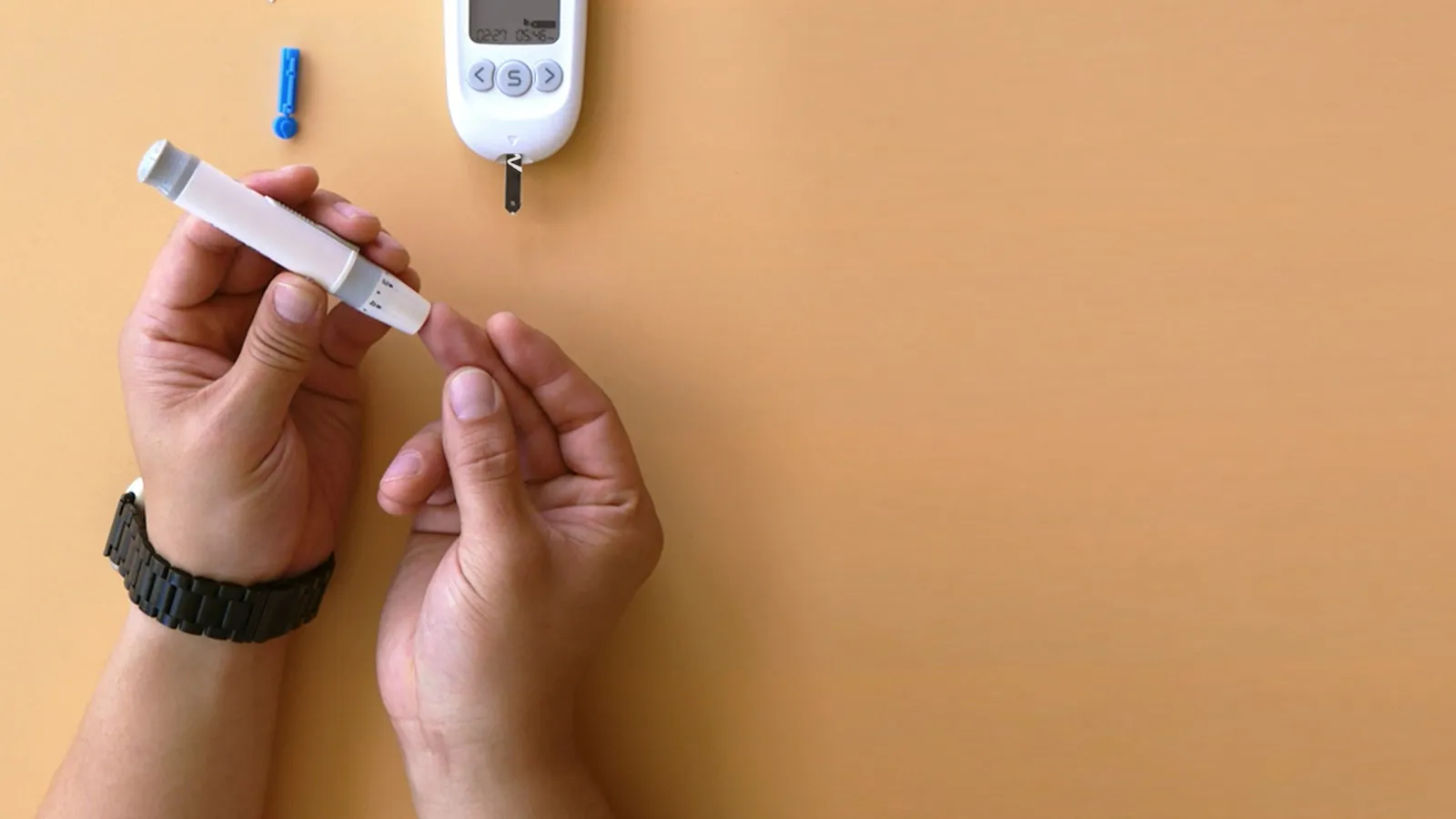
Testing your blood sugar
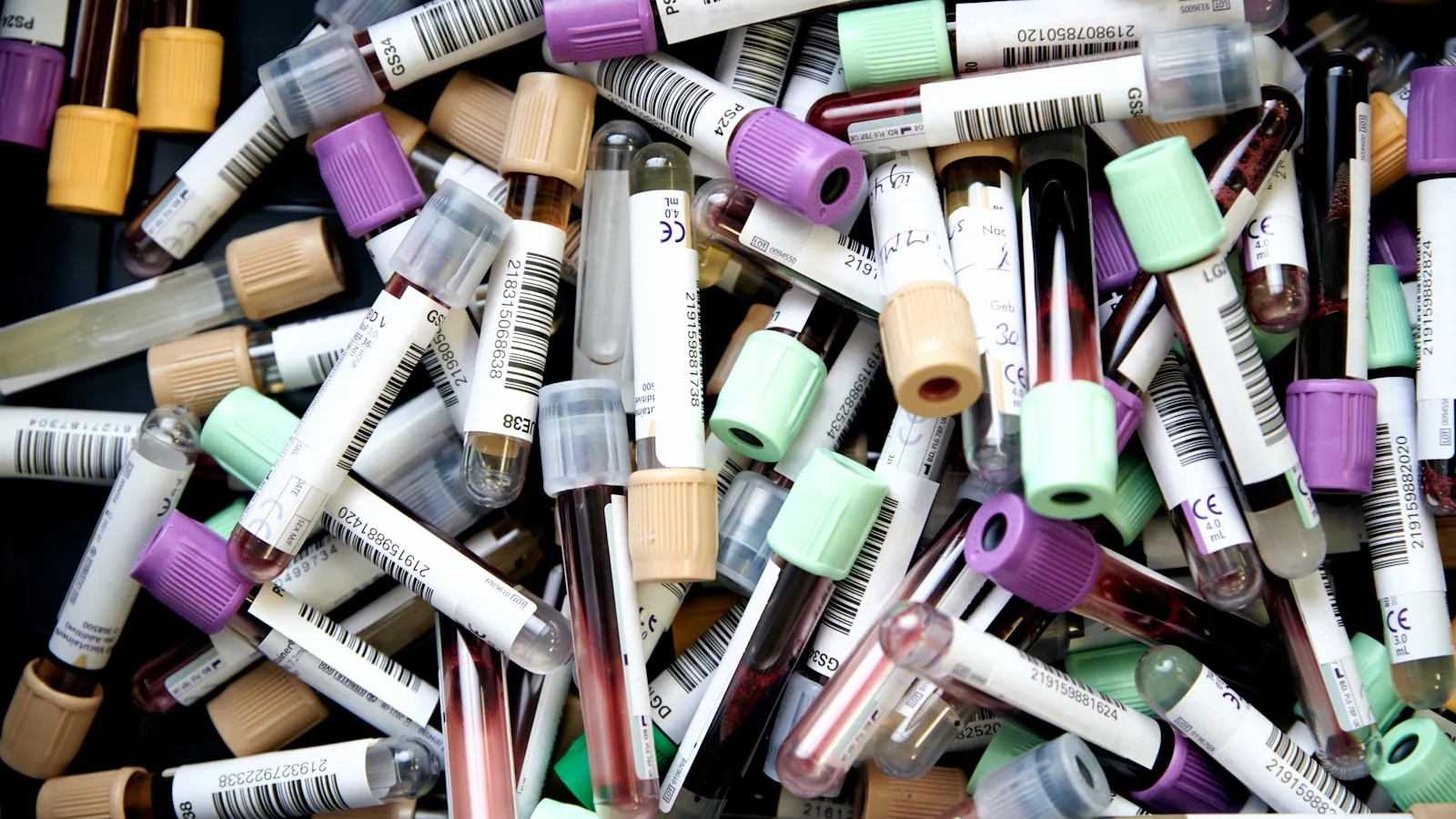
Fasting glucose and HbA1c are both included in the diabetes panel. If you also have your insulin, you can calculate your HOMA-IR, which picks up insulin resistance earlier than glucose alone.
When to Seek Medical Help
Talk to your doctor if:
- Your fasting glucose is consistently above 100 mg/dL
- Your HbA1c is 5.7% or higher
- You have symptoms (increased thirst, frequent urination, unexplained weight loss)
- Lifestyle changes aren't improving your numbers
Medications like metformin can help, but lifestyle changes should always be the foundation.
Author
Test User
Dr. Naimi, BIG-registered physician, oversees the medical standards behind our content and assessments. Read our medical policy