You get a blood result back after a cold or an operation and your platelets are suddenly high. Do not panic straight away: that is exactly what your body is supposed to do at such a moment. Platelets respond sensitively to what is going on in your body, and a one-off spike often says more about your situation at that moment than about an underlying illness.
My stance: with platelets the pattern matters more than the number. A slightly abnormal value alongside an otherwise normal blood count calls for a repeat and context, not panic. It only gets genuinely interesting with persistent or marked deviations, or with symptoms.
What are platelets?
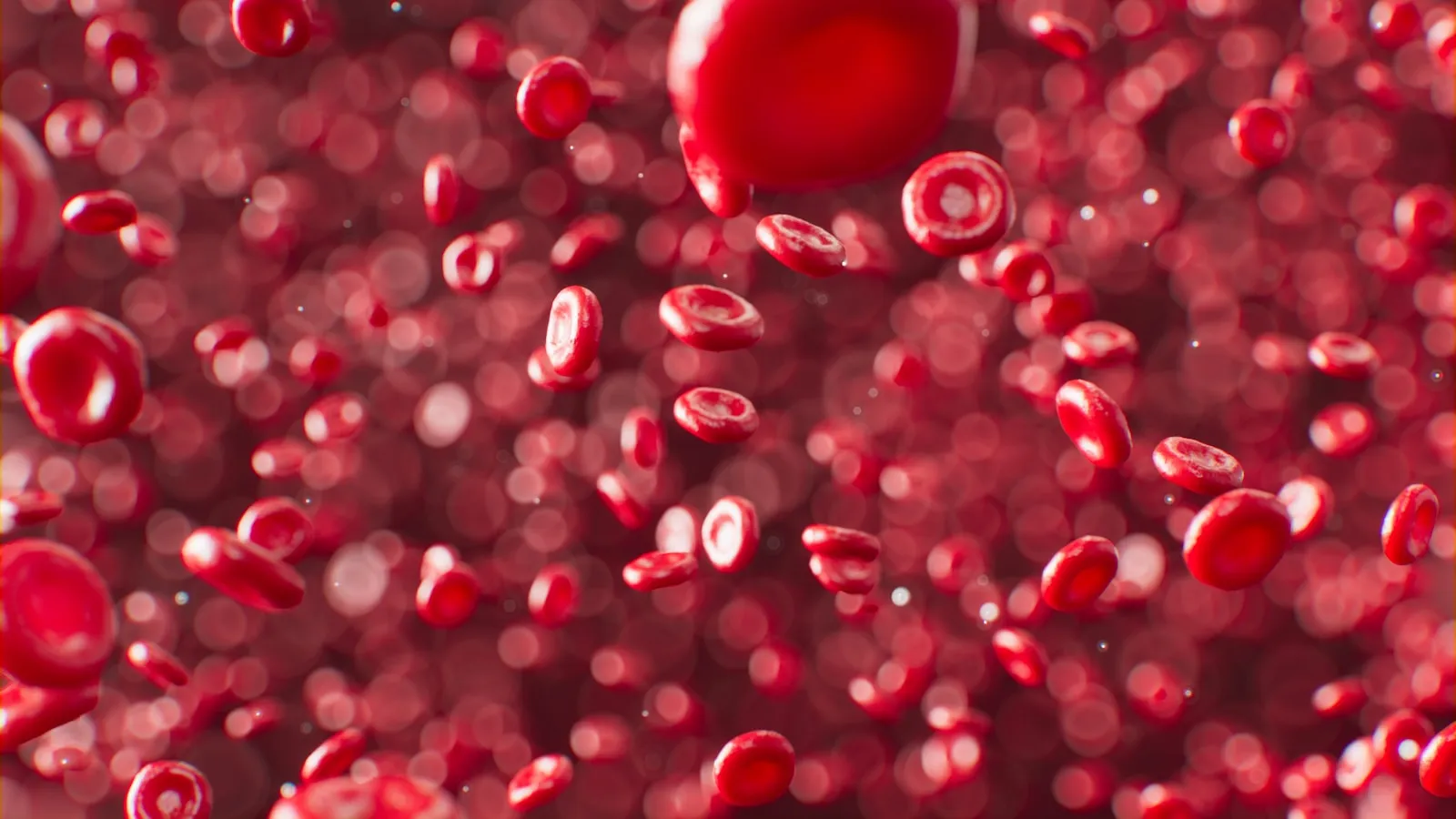
Platelets are made in your bone marrow and live for 8 to 10 days on average. Each day your body produces billions of new platelets. When a blood vessel is damaged, they clump together at the wound to stop the bleeding. They are included by default in a complete blood count (CBC), alongside your hemoglobin and white blood cells.
Normal platelet value
| Value | Meaning | What this usually indicates |
|---|---|---|
| 150 to 400 x10^9/L | Normal range for adults | Healthy clotting capacity |
| Below 150 x10^9/L | Thrombocytopenia (too few) | Reduced production or increased breakdown |
| Above 400 x10^9/L | Thrombocytosis (too many) | Usually reactive to infection or inflammation |
A mild deviation is not immediately concerning. Repeatedly abnormal values do deserve attention, in consultation with a doctor.
Platelets too low: what can it mean?
A low count (thrombocytopenia) can have several causes:
- Reduced production: bone marrow problems, or a deficiency of vitamin B12 or folate.
- Increased breakdown: autoimmune conditions such as ITP, or certain medications.
- Increased consumption: severe infections or clotting problems.
- Liver disease: in cirrhosis the spleen can retain platelets.
Symptoms with a strongly reduced count: bruising without a clear cause, gum bleeding, pinpoint bleeds (petechiae) and prolonged bleeding from wounds. Important to know: a mildly reduced count usually gives no symptoms at all. Only with a markedly low value does the bleeding tendency become noticeable, and then interpretation always belongs with a doctor who can also look for the cause.
Platelets too high: what can it mean?
A raised count (thrombocytosis) is usually reactive and harmless:
- Reactive thrombocytosis (by far the most common): a response to infection, inflammation, iron deficiency, surgery or stress. Usually temporary and benign.
- Primary thrombocytosis: a bone marrow disorder producing too many platelets. This needs medical supervision.
A common trigger is iron deficiency. So with a high platelet value it is sensible to also look at your ferritin and iron: replenish the iron stores and the platelets often normalise on their own.
Not just the count, the size too
Besides the count, a blood count often reports the mean platelet size (MPV). That extra figure helps interpretation: large, young platelets point to a body actively making new ones, for example to compensate for increased breakdown. Small platelets fit better with a production problem in the bone marrow. You do not have to interpret this yourself, but it explains why a doctor sometimes looks at more than the bare number.
Platelets also never stand alone. They are assessed together with your red and white blood cells. A deviation in all three cell lines at once weighs more heavily than an isolated change in the platelets only, and sends the follow-up in a different direction.
When to have platelets tested?
Platelets are part of a standard complete blood count. The Dutch College of General Practitioners (NHG) advises ordering a blood count on indication, for example with unexplained fatigue, a bleeding tendency or frequent bruising. Consider a test if you:
- Bruise easily or bleed longer from wounds.
- Regularly have nosebleeds or gum bleeding.
- Want a broad preventive check.
According to Thuisarts.nl, a slightly abnormal value without symptoms is often no cause for concern, but is reason to repeat in consultation with your GP.
What to do with a repeatedly abnormal value?
A one-off spike is usually noise. If your value stays abnormal across several measurements, a targeted approach is sensible:
- Find the trigger: with a high value, iron deficiency is a common, easily treatable cause. So check your iron status.
- Repeat at rest: do not measure right after an infection, operation or heavy exertion, as temporary responses then skew the picture.
- Look at the trend: a stable value just outside range is different from one that gradually climbs further or falls.
- Take the result to a doctor: with a persistent deviation, or symptoms such as a bleeding tendency, interpretation belongs with your GP.
Want to see your platelets in context? The basic health checkup includes the small blood count, which reports your platelets alongside your haemoglobin and white blood cells. For how it fits with other values, read why preventive blood testing is smart or see what your hemoglobin tells you.
Frequently asked questions
Can diet affect my platelets?
A deficiency of vitamin B12, folate or iron can lower platelet production. A varied diet supports healthy production. Specific foods do not raise your platelets directly.
Is a slightly elevated platelet count dangerous?
Usually not. Reactive thrombocytosis from infection or iron deficiency normalises once the cause is treated. With persistently high values and no clear cause, further testing is advisable.
Do I need to fast for this test?
No, fasting is not needed to measure platelets.
Author
Vitalcheck
Dr. Naimi, BIG-registered physician, oversees the medical standards behind our content and assessments. Read our medical policy