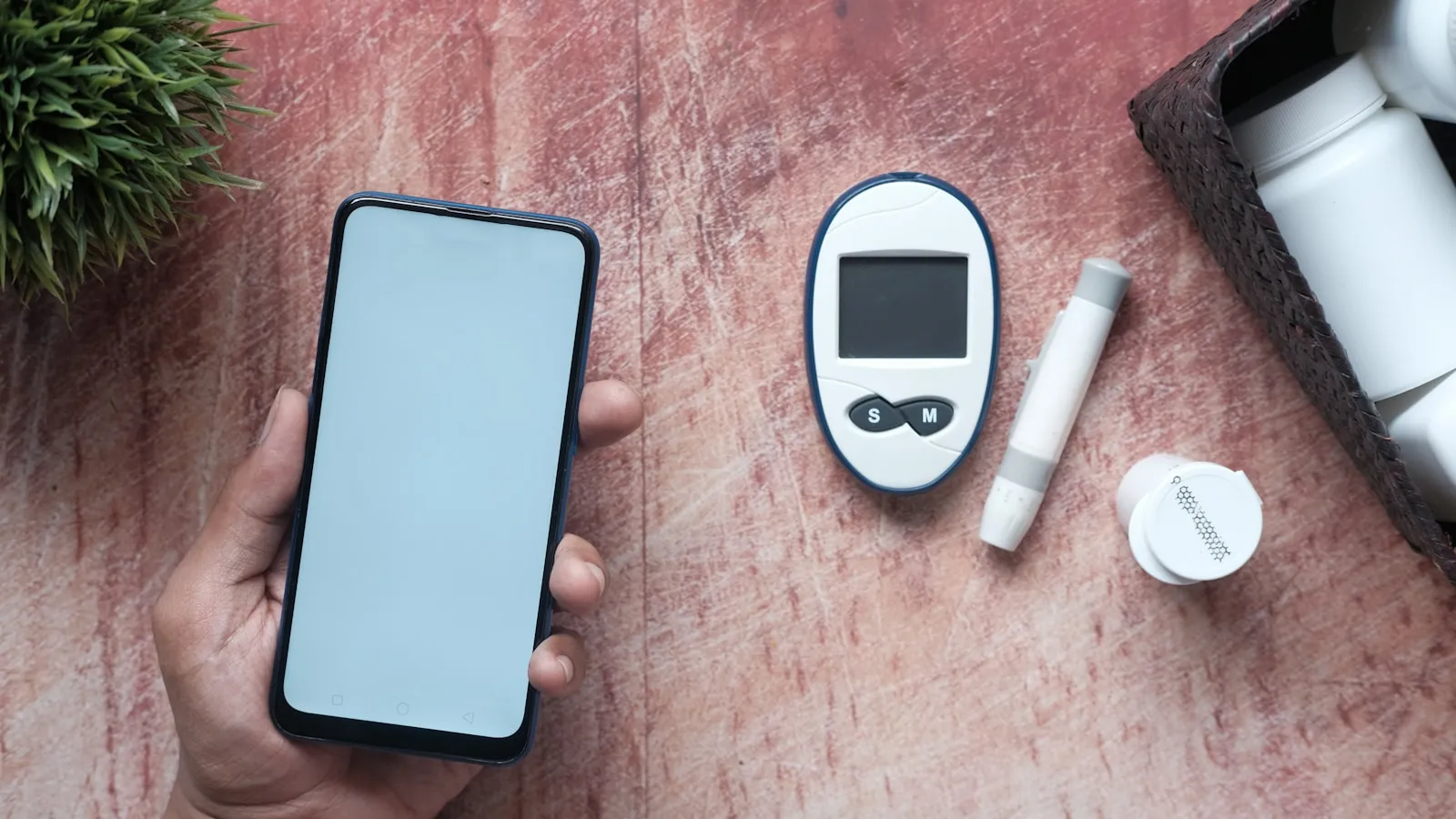
You feel perfectly fine, so why have your blood drawn? That is exactly the trap. Many of the conditions that matter in the long run, a slowly rising blood sugar, an unfavourable cholesterol profile, a quietly draining iron store, build up for years without a single symptom. By the time you notice anything, you are often already a stage further on.
My stance: preventive testing reverses the order. Instead of waiting until your body raises the alarm, you look ahead at the silent signals, precisely at the moment when a lifestyle change still makes the difference. That is not a luxury, it is the cheapest health gain you can buy.
Why a preventive blood test?
The strength is in early detection. The Dutch Heart Foundation (Hartstichting) notes that cardiovascular disease often develops unnoticed for years, and that knowing your risk factors in time (such as cholesterol and blood pressure) pays off. The Dutch Diabetes Fund (Diabetes Fonds) stresses the same for type 2 diabetes: many people live for years with a raised blood sugar before the diagnosis is made. Concrete benefits of preventive testing:
- Early detection: of diabetes, thyroid problems, cholesterol abnormalities and deficiencies.
- A baseline: you know your normal values, as a reference for later.
- Targeted action: you adjust your lifestyle on data, not guesswork.
- Peace of mind: confirmation that all is well has value too.
Which values do you test?
A good preventive blood test covers the systems where silent abnormalities occur most often:
- Blood count: red and white blood cells, hemoglobin and MCV.
- Liver and kidney: ALT, AST, creatinine and eGFR.
- Cholesterol: total cholesterol, LDL, HDL and triglycerides.
- Blood sugar: fasting glucose and HbA1c.
- Thyroid: TSH as a basic screen.
- Iron status: ferritin and iron.
- Vitamins: vitamin D and B12.
- Inflammation: CRP.
The Dutch College of General Practitioners (NHG) adds a caveat: more values is not automatically better. Test in a targeted way, because isolated abnormalities without context lead to unnecessary follow-up.
For whom and how often?
There is no universal schedule, but age and risk profile give direction. Use the table below as a starting point, and tune the details with your doctor.
| Age | Frequency (no symptoms) | Extra attention to |
|---|---|---|
| 20 to 35 years | Once every 3 to 5 years | Recording a first baseline |
| 35 to 50 years | Once every 1 to 2 years | Cholesterol and blood sugar |
| 50 years and over | Yearly | Cardiovascular risk, kidney function, blood sugar |
Preventive testing is especially relevant if you are over 35 and have never been tested, have a family history of cardiovascular disease or diabetes, have little time for the GP, or have risk factors such as smoking or excess weight.
From result to action
A test only has value if you act on it. The pattern in your values often already points a direction, even before a doctor is involved:
- Cholesterol on the high side: the Dutch Heart Foundation (Hartstichting) looks not at a single figure but at your total risk profile. More exercise, less saturated fat and quitting smoking have the most impact here.
- Glucose or HbA1c creeping up: the Dutch Diabetes Fund (Diabetes Fonds) stresses that lifestyle can often turn the tide in prediabetes. This is exactly the phase where action pays off.
- Low ferritin or vitamin D: targeted topping up via diet or supplementation, in consultation with your doctor, often resolves unexplained fatigue.
What preventive testing cannot do
Being honest about the limits is part of it. A blood test is a snapshot of a number of markers, not a full health guarantee. Not every condition shows up in the blood, and a normal result does not rule everything out. The Dutch College of General Practitioners (NHG) also warns that broad screening without a reason can lead to false positives: an abnormal figure that turns out to be nothing after follow-up, but in the meantime causes worry and costs. So test in a targeted way, and see the result as a starting point for a conversation, not a final verdict. A sensible approach combines preventive testing with a healthy lifestyle and the regular care of your GP, so that the three reinforce each other rather than replace one another.
Practical: fasting, results and interpretation
- Fasting: for glucose, cholesterol and triglycerides, 8 to 12 hours without food is recommended. Water is fine.
- Results: most values are available digitally within 2 to 3 working days, with reference ranges.
- Interpretation: discuss an abnormal value with your doctor. Preventive testing complements regular care, it does not replace it.
Ready to start? The Complete Metabolic Panel gives a broad baseline, and the Lipids panel focuses on your cardiovascular risk. Want to know which tests you need exactly? Read the overview of which tests you really need, or first see how to order a blood test without a referral.
Frequently asked questions
What does a preventive blood test cost?
The cost depends on the scope. A basic panel starts at an affordable amount, a broad package costs more. A targeted panel is almost always cheaper per value than separate tests.
Does it replace a visit to the GP?
No, a preventive blood test complements your regular care, it does not replace it. With abnormal values it is wise to consult your GP.
Do I need to fast?
For most preventive blood tests, 8 to 12 hours without food is advised (water is fine). This matters most for reliable glucose and cholesterol values.
Author