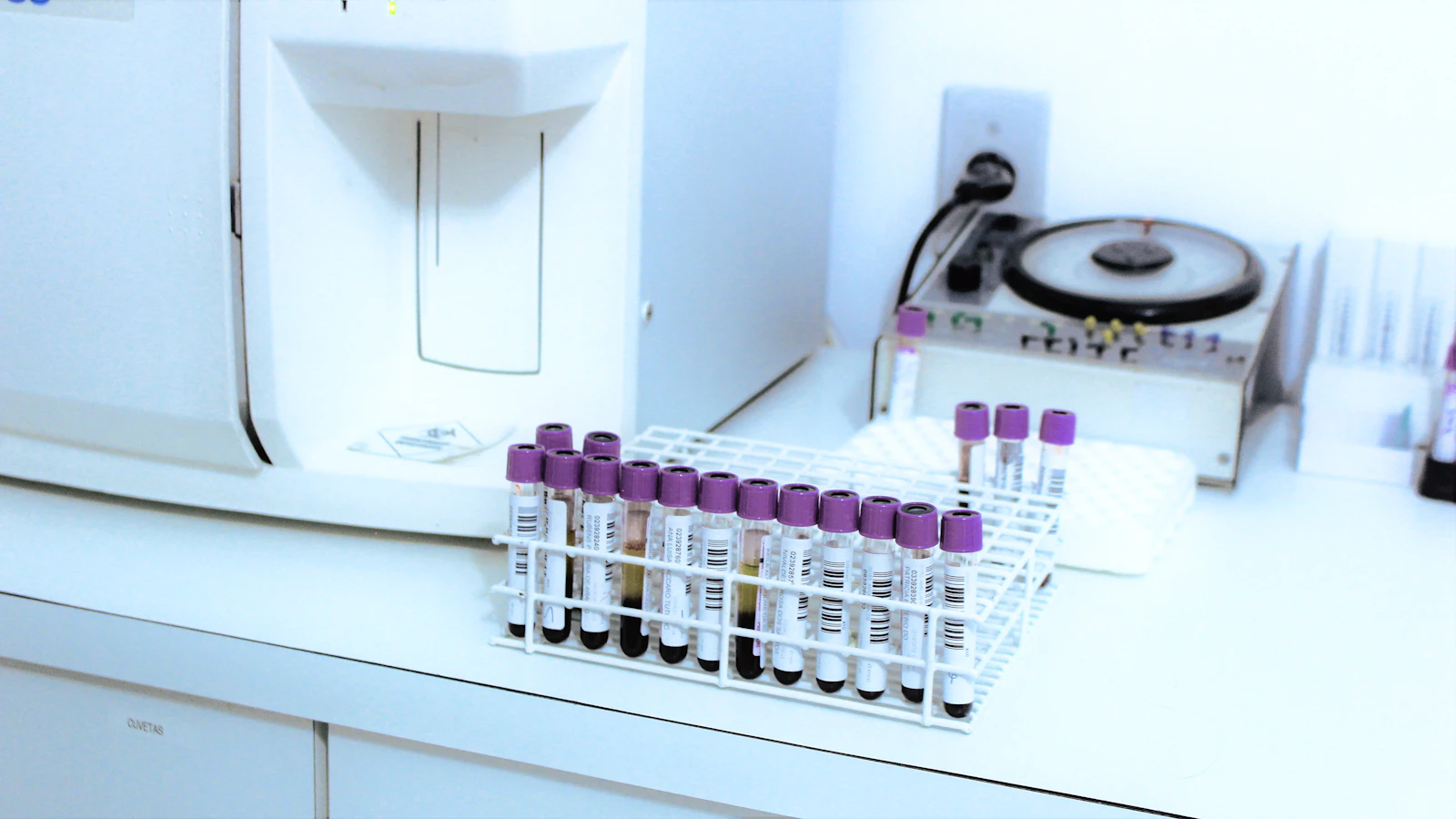
The treacherous thing about fatty liver is that you can have it for years without noticing. No pain, no alarm, only sometimes a slightly raised ALAT that turns up by chance. My take: precisely because it runs so silently, a simple blood test is more valuable than waiting for symptoms, because in the early stage fatty liver is often still reversible.
Below you will read what fatty liver is, how it develops, what stages exist and when it is time to act.
What is fatty liver?
In fatty liver, more than about 5% of the liver's weight consists of fat. A little fat is normal, but too much disrupts your liver cells and can eventually cause inflammation. An estimated quarter to thirty percent of the population has some degree of fatty liver.
Since 2023 doctors increasingly use MASLD (metabolic dysfunction-associated steatotic liver disease) instead of non-alcoholic fatty liver. The new name stresses the link with metabolism, such as overweight, high blood sugar and high cholesterol. It is more than a word game: the name makes clear that fatty liver rarely stands alone. It often comes in a package with insulin resistance and cardiovascular risk, which means tackling your lifestyle helps you on several fronts at once.
What are the causes of fatty liver?
Fatty liver is usually tied to metabolism and lifestyle. The main risk factors:
- Overweight, especially abdominal fat
- Insulin resistance and type 2 diabetes
- A diet rich in sugar, fructose and processed carbs
- Little exercise
- High cholesterol and high triglycerides
- Alcohol: this falls under a separate form (alcoholic fatty liver), but the consequences for the liver are similar
The Dutch Diabetes Fund (Diabetes Fonds) points to the strong link between type 2 diabetes, overweight and fatty liver: they reinforce each other. Sometimes heredity plays a role, and certain medicines can contribute too.
From simple steatosis to cirrhosis: the stages
| Stage | What happens | Reversible? |
|---|---|---|
| Simple steatosis | Fat build-up without inflammation | Readily reversible |
| Steatohepatitis (NASH) | Fat with inflammation, ALAT often high | Often still reversible |
| Fibrosis | Scarring, function loss begins | Partly, more limited |
| Cirrhosis | Severe, permanent scarring | No longer, but can be stabilised |
Is fatty liver dangerous and is it reversible?
In the early stages, fatty liver is often readily reversible. Research shows that weight loss through lifestyle change can reduce inflammation and even scarring. The earlier you catch it, the greater the chance your liver fully recovers. It becomes more worrying as inflammation and fibrosis set in. That is why early detection via a blood test is so valuable: a slightly raised ALAT is often the first and only signal.
Who is most at risk?
Fatty liver is not just a matter of bad luck. Certain combinations clearly raise the risk, and those groups benefit most from early measurement:
- Overweight, especially around the belly: the strongest single risk factor.
- Type 2 diabetes or insulin resistance: the Dutch Diabetes Fund (Diabetes Fonds) points to the close link between diabetes and a fatty liver.
- High cholesterol or high triglycerides: signs of disturbed metabolism.
- High blood pressure and little exercise: often part of the same metabolic syndrome.
If you recognise yourself in several points, having your liver values measured is a sensible step, even without symptoms. It is not about fear, but about steering early while it is still easy.
Which examinations reveal fatty liver?
No single test proves "fatty liver" on its own; it is a build-up of clues:
- Blood test: a slightly raised ALAT is often the first hint, alongside gamma-GT, glucose and cholesterol.
- Liver ultrasound: shows fat in the liver visibly and is painless.
- Fibrosis score or special scan: if the doctor wants to know whether scarring has started.
The blood test is usually the logical starting point, because it is cheap and picks up signals before you feel anything.
How do you know if you have fatty liver?
Fatty liver rarely causes symptoms early on. A blood test with liver values is often the first hint, followed by a liver ultrasound if the doctor thinks it necessary. Thuisarts and the Dutch GP guidelines (NHG) advise targeted follow-up for persistently abnormal liver values. For the signals that can occur, read our article on the causes of high liver values.
Want your liver values checked? The complete metabolic panel from Vital Check measures ALAT, ASAT and gamma-GT, with a doctor reviewing your result. For the liver side alone, the liver function panel covers it. The full overview of the liver enzymes is in understanding liver values.
Frequently asked questions
Can you cure fatty liver?
In the early phases, often yes. With weight loss, more exercise and less sugar and alcohol, liver fat can decrease and inflammation can improve. At the cirrhosis stage, recovery is more limited, which is why acting early matters.
Is fatty liver related to alcohol?
Not always. The most common form is unrelated to alcohol and tied to metabolism. Alcohol use can worsen fatty liver or cause its own, alcoholic form.
How quickly does fatty liver disappear?
It varies per person. With consistent lifestyle change you often see improvement in liver values after 3 to 6 months. Full recovery of liver tissue can take longer.
Author
Vitalcheck
Dr. Naimi, BIG-registered physician, oversees the medical standards behind our content and assessments. Read our medical policy