You want to know whether your iron is on track or your cholesterol is fine, but the next available slot at the GP is three weeks away, and only "if there is a reason". Sound familiar? What many people do not realise: you do not need that referral at all. In the Netherlands, anyone aged 18 and over can order their own blood test, no referral letter, no diagnosis, no explanation of why.
My stance: the absence of a referral does not make a test less serious, but it does make you responsible for the interpretation. A number without context is not a diagnosis. So below you will find not only how to arrange it, but also what to watch for when the result arrives.
How does ordering a blood test without a referral work?
The process is deliberately simple and runs in five steps:
- Choose your test. Select online which values you want measured, from a single value to a broad panel. Unsure? It helps to first decide your goal: a baseline, a specific complaint, or monitoring.
- Order and pay. You pay directly and see the total price up front, with no hidden costs.
- Book your blood draw. Pick a certified collection location near you. There are more than 750 across the Netherlands.
- Have your blood drawn. A trained phlebotomist takes the sample, exactly as in a hospital.
- Receive your results. Usually within 2 to 3 working days, digital and with reference ranges included.
Is this really allowed? Yes, and here is why
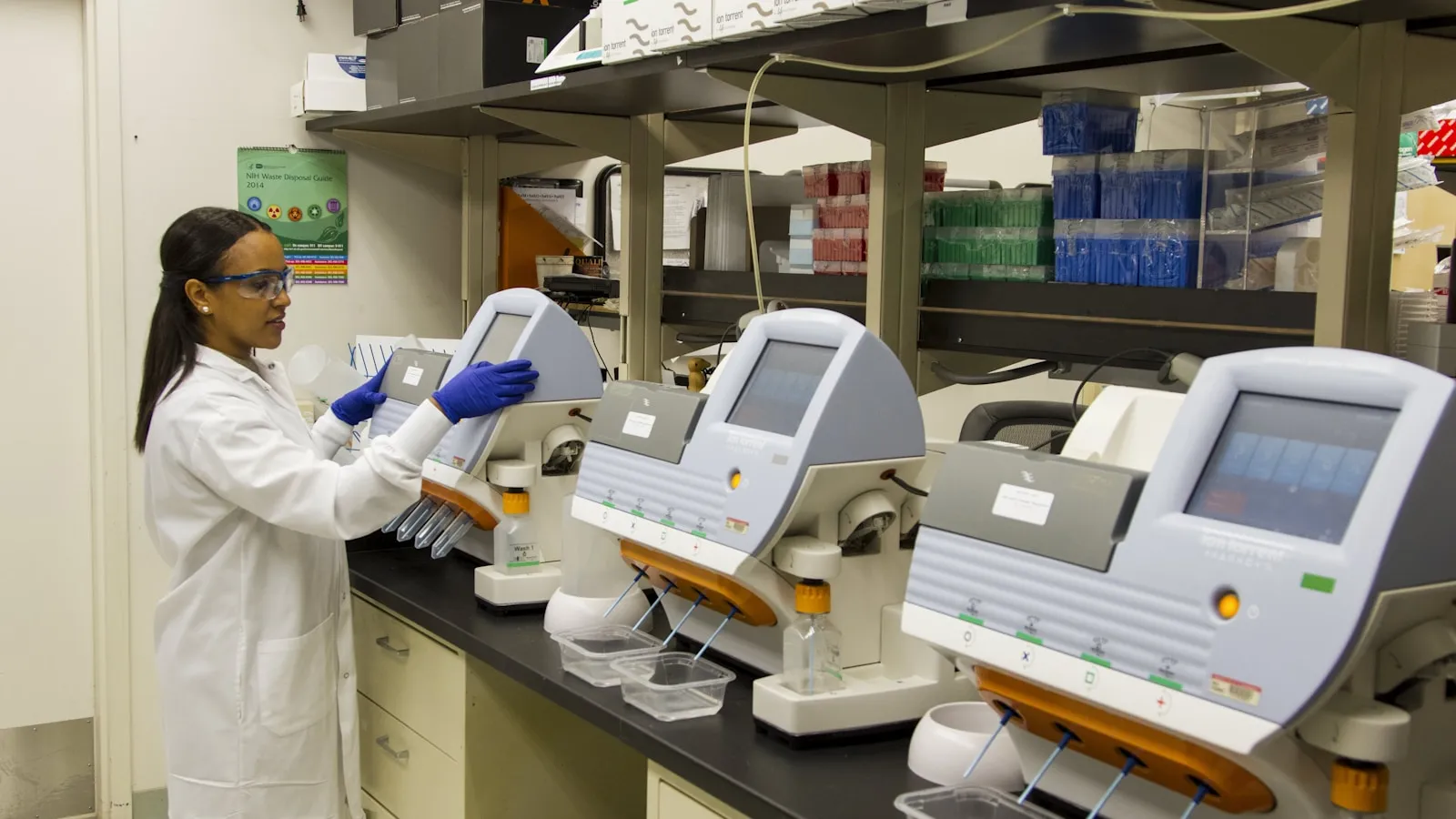
Direct-to-consumer blood testing is legal in the Netherlands. The blood is drawn by professionals and analysed in accredited medical laboratories, using the same equipment and methods as a hospital lab. The only difference from a test via the GP is who places the request: you, instead of a doctor.
Worth knowing: the Dutch College of General Practitioners (NHG) advises doctors to order blood tests on indication and is cautious about routine screening without a complaint or risk factor, precisely because an isolated abnormality without context can lead to unnecessary follow-up and worry. That does not make self-testing unwise, but it does mean thinking ahead about what you want to know, and afterwards about what a result actually tells you.
With a referral or on your own? An honest comparison
Both routes have their place. The table below helps you choose based on what matters most to you.
| Aspect | Via the GP | Order yourself |
|---|---|---|
| Waiting time | Depends on an appointment, sometimes weeks | Often drawn within a few days |
| Who chooses the values | The doctor, on indication | You, as you wish |
| Cost | Usually covered by basic insurance when indicated | You pay, price known in advance |
| Interpretation | The doctor discusses the result with you | You read the result, doctor if abnormal |
| In your file | Yes, by default | Only if you share it yourself |
Which values do people request most?
Without a referral you can measure almost anything. In practice, most self-tests centre on a few recognisable questions: am I tired because of a deficiency, is my cholesterol right, is my blood sugar in order?
- Fatigue: ferritin, iron and vitamin B12 together explain a large share of unexplained tiredness.
- Heart and vessels: total cholesterol, LDL and HDL together give a better picture than one figure.
- Blood sugar: fasting glucose and HbA1c catch prediabetes early.
Well prepared for the collection location
A reliable result starts with the right preparation. A few practical points that make the difference:
- Fast where needed: for glucose, cholesterol and triglycerides, 8 to 12 hours without food is recommended. Water is fine, and is even helpful because your veins are easier to find.
- Timing of hormones: some values fluctuate over the day or the cycle. For male hormones the morning is best, for female hormones the cycle day matters.
- Rest before the draw: intense exercise shortly before the test can temporarily affect certain values.
- Medication and supplements: note what you take, because biotin or high-dose vitamins, for example, can interfere with some assays.
The Netherlands Nutrition Centre (Voedingscentrum) points out that extreme food choices just before a test (such as a one-off high-fat meal) can skew your snapshot. Keep to your usual eating pattern in the days before, so your result is representative of your normal situation.
What if the results are abnormal?
A self-test is a starting point, not a final diagnosis. Stick to this:
- Slightly outside range: repeat the measurement after a few weeks rather than drawing conclusions immediately. A snapshot says less than a trend.
- Clearly abnormal: take the result to your GP for interpretation and possible follow-up. The doctor knows your full situation.
- Strongly abnormal or acute symptoms: contact a doctor as soon as possible.
Thuisarts.nl stresses that a reference range is a statistical band, not a hard line between healthy and ill. Falling just outside the range does not automatically mean something is wrong, and just inside is no guarantee. The value of self-testing lies in following your own trend over time.
Want a broad baseline in one go without a referral? The Complete Metabolic Panel covers liver, kidney and metabolism, and the Lipids panel zooms in on your cardiovascular risk. Unsure which to pick? Read why preventive blood testing is smart or the overview of which tests you really need.
Frequently asked questions
Do I really not need a referral?
No. In the Netherlands, anyone aged 18 and over can order a blood test themselves. You do not depend on a referral, diagnosis or medical indication.
Does the result go into my GP file?
No, unless you share the result with your GP yourself. Your results are private and accessible only to you. With an abnormal value, sharing is often sensible.
Can I order a blood test for someone else?
You can order a test for someone else, but that person must attend the blood draw in person and show identification. That is a legal requirement.
Author