Of all liver values, gamma-GT is the gauge that moves first. It reacts before ALT or AST, often before anything is noticeable. That makes a raised gamma-GT useful as an early signal, but also tricky: it says something is going on, not immediately what.
My stance: an isolated raised gamma-GT is rarely a reason to panic, but almost always a reason for an honest look at your alcohol use and your lifestyle.
What is gamma-GT?
Gamma-GT (gamma-glutamyltransferase) sits mainly in the liver and the bile ducts. Normal is below about 55 U/L for men and below 40 U/L for women, with differences per laboratory. The enzyme is very sensitive but not very specific: a rise always needs context.
What does a raised gamma-GT mean? Read the pattern
The interpretation depends heavily on what the other liver values are doing. The table below helps you place the pattern.
| Pattern | Likely direction | What fits with it |
|---|---|---|
| Only gamma-GT raised | Alcohol, medication or metabolic syndrome | Isolated rise without other abnormalities |
| Gamma-GT and alkaline phosphatase raised | Bile ducts | Gallstones or bile stasis |
| Gamma-GT with raised ALT and AST | Liver | Fatty liver or inflammation |
A complete explanation of all liver values is in understanding liver values.
Causes of a high gamma-GT
- Alcohol: the most common cause of an isolated rise.
- Gallstones or bile duct obstruction: often together with a raised alkaline phosphatase.
- Medication: anti-epileptics, some antibiotics and oral contraceptives.
- Fatty liver and metabolic syndrome: overweight, type 2 diabetes and high cholesterol.
Gamma-GT and alcohol
Gamma-GT reacts strongly to regular or heavy drinking and is often the first liver value to rise. After a period without alcohol, the value usually falls within a few weeks. The Netherlands Nutrition Centre (Voedingscentrum) advises no alcohol or a maximum of one glass a day, and gamma-GT is exactly what shows whether you benefit from that. Read more in alcohol and your liver values.
Gamma-GT and your heart
A raised gamma-GT is associated in large population studies with a higher risk of cardiovascular disease, independent of the liver. It is seen as a marker for oxidative stress and metabolic problems. The Dutch Heart Foundation (Hartstichting) stresses that cardiovascular risk is always assessed in context, with your blood pressure, cholesterol and lifestyle alongside it, and not on a single value.
Gamma-GT and your metabolism
Gamma-GT is more than a liver enzyme; it is also a mirror of your metabolism. With metabolic syndrome, the combination of central overweight, high blood pressure, disturbed blood sugar and unfavourable blood fats, gamma-GT is often higher. That explains why people who barely drink can still have a raised value. If you lose weight and improve your sugar and fat balance, gamma-GT usually drops along with it. In that sense, see a raised gamma-GT not as a verdict, but as an early invitation to take a closer look at your lifestyle.
How is gamma-GT measured and how do you read the result?
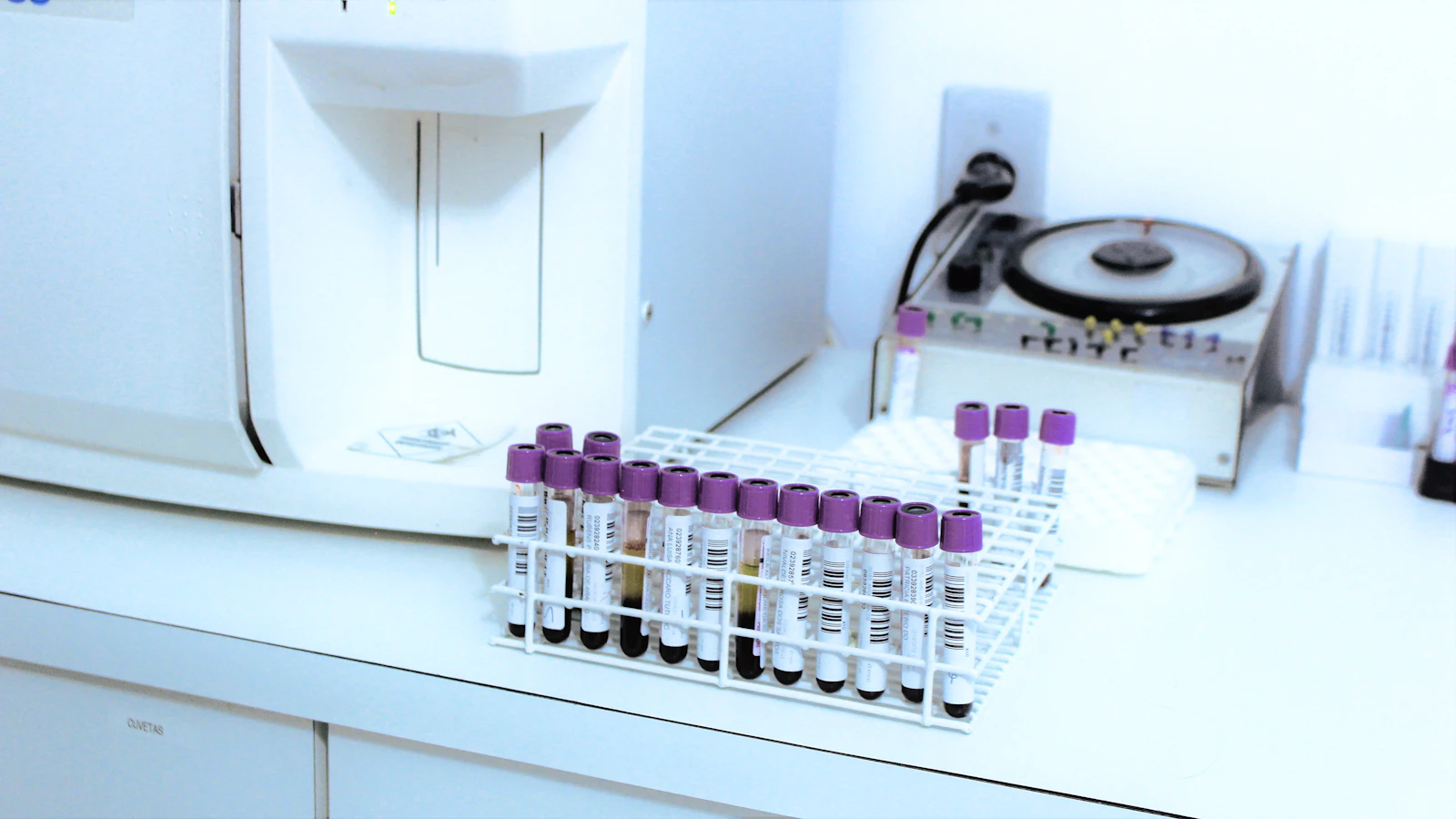
Gamma-GT sits in an ordinary tube of blood and does not need to be measured fasting. On your result the value appears next to the laboratory's reference value. A value just above the upper limit is often not very worrying, certainly as a one-off. What carries more weight is the trend: a gamma-GT that keeps rising over several measurements calls for attention sooner than a stable mild rise. Always combine the result with your other liver values, because the pattern tells you more than a single number. A single measurement is also a snapshot. If you want to judge your lifestyle effort fairly, measuring at two points, a few weeks apart, is far more informative than a single draw.
What can you do about a high gamma-GT?
Less or no alcohol is usually the most effective step. Beyond that, a healthy weight, regular exercise and limiting sugar help. Discuss your medication with your doctor, but never stop on your own. With the Complete Metabolic Panel you can track your gamma-GT and the other liver values, with assessment by a doctor. To follow up your gamma-GT specifically, it is part of the liver function panel.
Frequently asked questions
How fast does gamma-GT fall after stopping alcohol?
Often within 2 to 4 weeks, sometimes a little longer. The half-life is several weeks, so an alcohol-free period shows the effect well.
Can a raised gamma-GT occur without alcohol?
Yes. Bile duct problems, medication, fatty liver and metabolic syndrome can all raise it too. Alcohol is a common but not the only cause.
Is a slightly raised gamma-GT bad?
A mild, one-off rise is often harmless. It becomes more relevant with a persistent rise or in combination with other abnormal liver values.
Does coffee lower my gamma-GT?
In population studies, regular coffee consumption is associated with slightly lower liver values, including gamma-GT. It is not a treatment, but it supports the idea that lifestyle as a whole counts. Less alcohol, a healthy weight and enough exercise remain more important.
Do I need to fast for a gamma-GT measurement?
For gamma-GT alone, fasting is not needed. If glucose or cholesterol are measured at the same time, it is. In all cases, avoid alcohol for at least 48 hours beforehand for a reliable baseline.
الكاتب