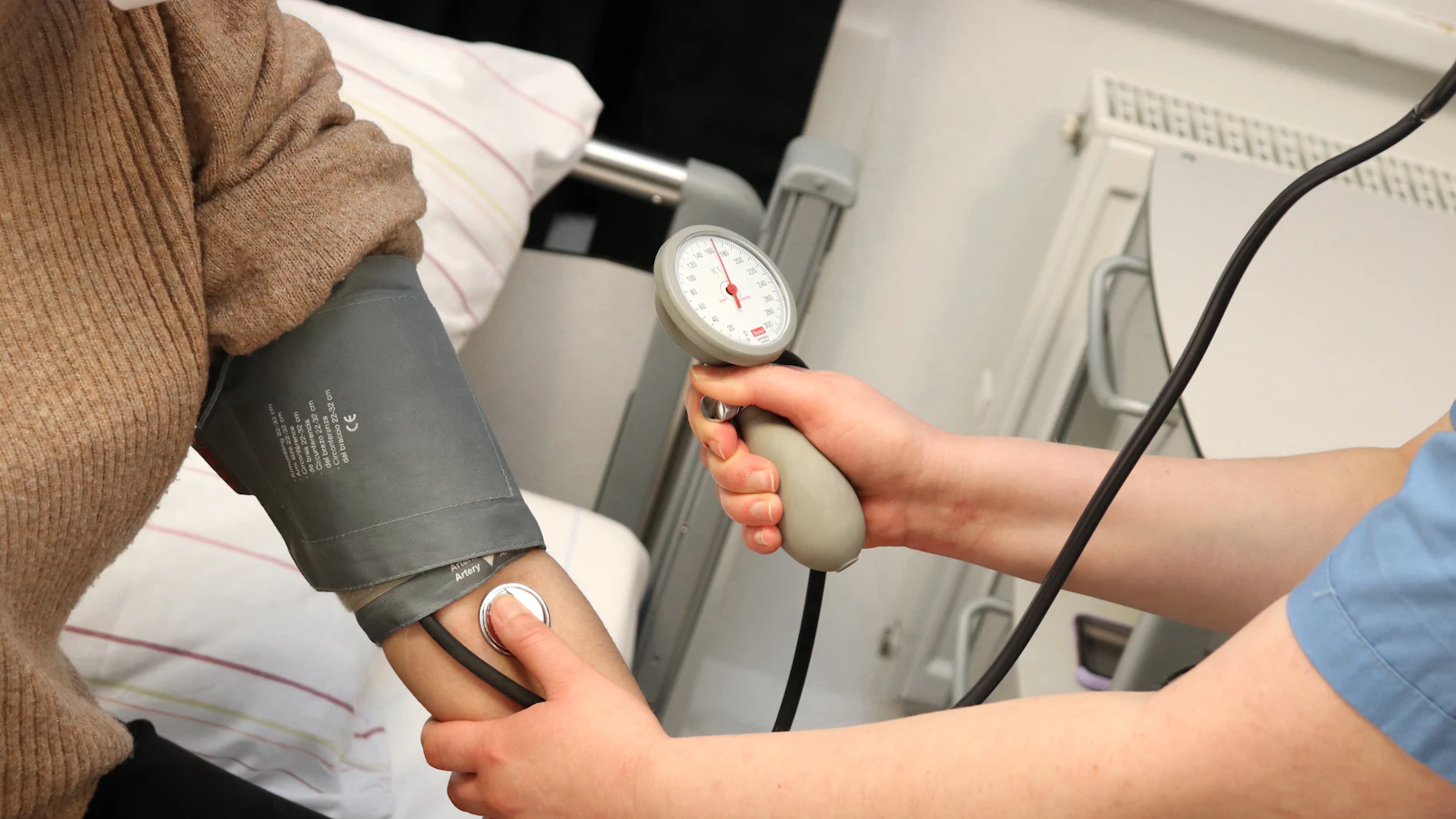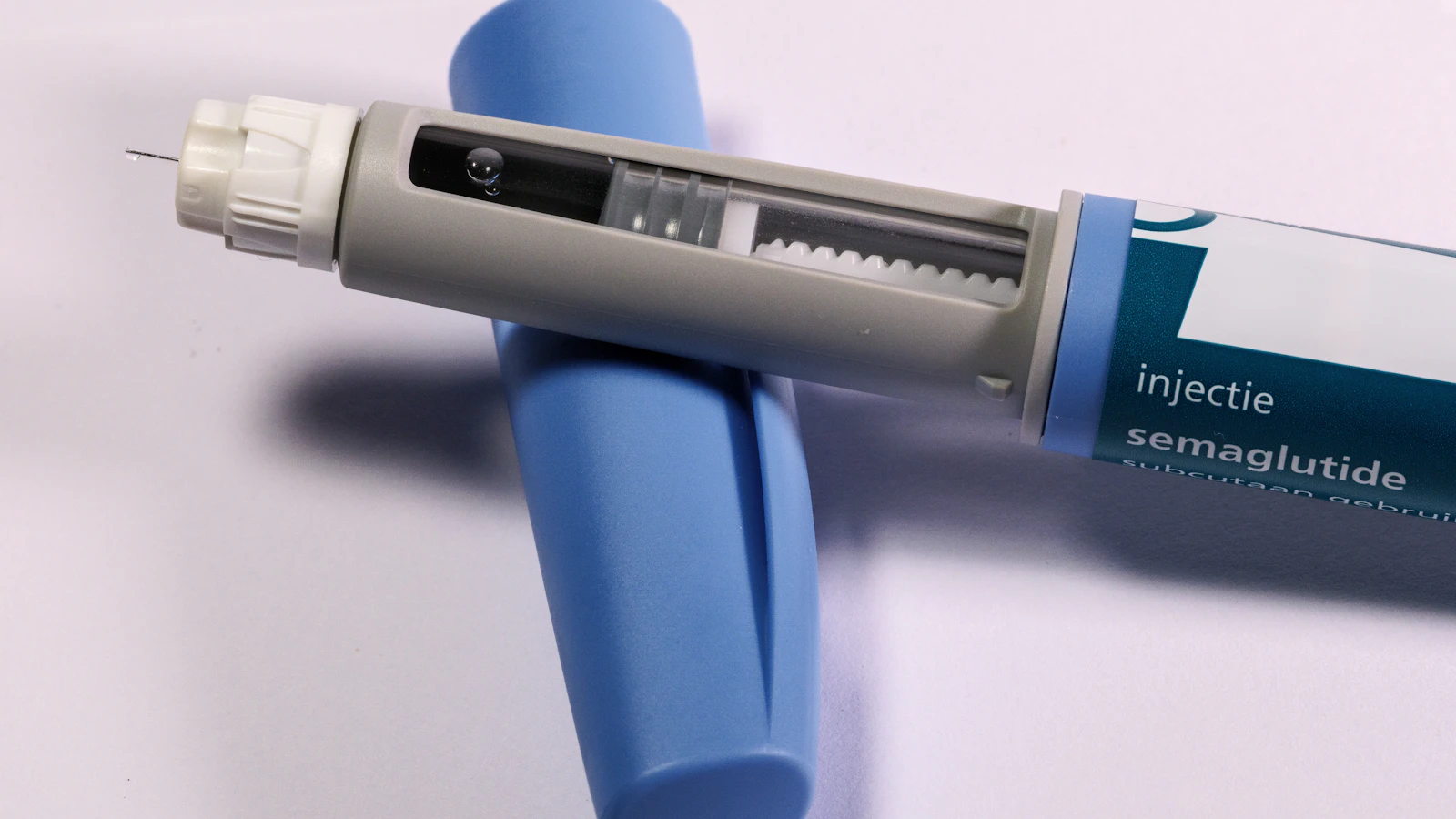
You have just started a GLP-1 injection pen, or you are considering it, and you wonder: what should I actually have my blood checked for? The answer is less dramatic than the hype around Ozempic and Wegovy suggests, but it is concrete. During use, your blood sugar and your weight often change, and other values can move along with them. Which checks fit you is always decided by the doctor treating you.
My stance up front: the most useful measurement is the one you take before you start. Without that baseline you cannot tell later whether a value has truly improved or was always like that. A GLP-1 course without a baseline is like losing weight without ever stepping on the scale.
What does GLP-1 medication do to your blood values?
GLP-1 medication mimics a gut hormone that helps regulate your blood sugar and curbs your appetite. It is used for type 2 diabetes and for weight loss. Because it acts directly on your sugar metabolism, blood sugar values are the logical lead actors. With weight loss, your fats and sometimes your liver and kidney values can move along too. To understand the basics first, read our explainer on what GLP-1 medication is and how it works.
Which blood values do people track during GLP-1 use?
The table below is your overview: which value, what it shows, and why people track it during a GLP-1 course. It remains a tool. What you actually have measured and how often is something you align with your treating doctor.
| Blood value | What it shows | Why people track it with GLP-1 |
|---|---|---|
| Fasting glucose | Your blood sugar at rest, a snapshot | Quickly shows whether your sugar is dropping since the start |
| HbA1c | Your average blood sugar over 2 to 3 months | Tracks the effect over a longer period, beyond a single day |
| Triglycerides | A type of fat in your blood | Can fall with weight loss and better sugar regulation |
| Cholesterol | Fats that strain or protect your arteries | Can move along as your weight and lifestyle change |
For the context behind these values, read our pillar on blood sugar, insulin resistance and preventing type 2 diabetes. If insulin resistance plays a role, our explainer on recognising insulin resistance helps.
How do you track your values during use?
The pattern is simple: a measurement before the start, then measurements during use at moments your doctor chooses. A diabetes blood test focuses on your blood sugar with glucose and HbA1c together. If you want a broader picture including liver, kidney and metabolism, a complete metabolic panel gives more context. Important: never let these measurements replace your doctor's guidance, but use them to make that conversation better.
The NHG guideline on type 2 diabetes describes how HbA1c and glucose are followed in diabetes care, and the treatment decisions around them belong with your GP or internist. The Diabetes Fonds stresses that medication for type 2 diabetes always goes together with attention to lifestyle, precisely because eating and movement strongly influence your blood sugar. GLP-1 is therefore not a single switch, but part of a bigger picture.
How do you read a change in your values?
A drop in your HbA1c after a few months is usually the signal people hope for, because it shows that your average blood sugar has fallen over weeks. A lower fasting glucose fits the same picture, though it swings more from day to day. If you also lose weight, your triglycerides can move along, which is sometimes visible within a few weeks. The important thing is to compare your values with your own baseline and not with someone else's, because everyone's starting point is different.
Also watch the context of a measurement. If you have just had an infection, slept poorly or had a lot of stress, a value can turn out temporarily higher without your treatment working any less well. That is why a trend across several measurements says more than a single result. Discuss striking changes with your doctor before drawing conclusions yourself, certainly if you use other medication alongside GLP-1.
Frequently asked questions
Do I need my blood checked if I use GLP-1?
That is decided by the doctor treating you, depending on your situation and the reason you use the medication. We deliberately do not name a fixed frequency here, because it varies per person.
Does my cholesterol change with GLP-1?
With weight loss, fat values such as triglycerides and cholesterol can move along. The effect varies per person and is closely tied to your lifestyle. Discuss your values with your doctor.
Can I stop other diabetes medication thanks to GLP-1?
That is a decision for your doctor, never something to do on your own. A blood value alone is not a reason to adjust medication.
My advice: start with a baseline before you begin, and track your values afterwards in consultation with the doctor treating you. Every blood test result at Vitalcheck includes a professional assessment by a BIG-registered doctor. A blood value is not a diagnosis: always discuss treatment decisions with your GP or treating doctor.
References
- NHG guideline Diabetes mellitus type 2. Dutch College of General Practitioners. 2021.
- Diabetes Fonds. Medication for type 2 diabetes and lifestyle. Accessed 2026.
- European Medicines Agency. Semaglutide: product information. Accessed 2026.
Author