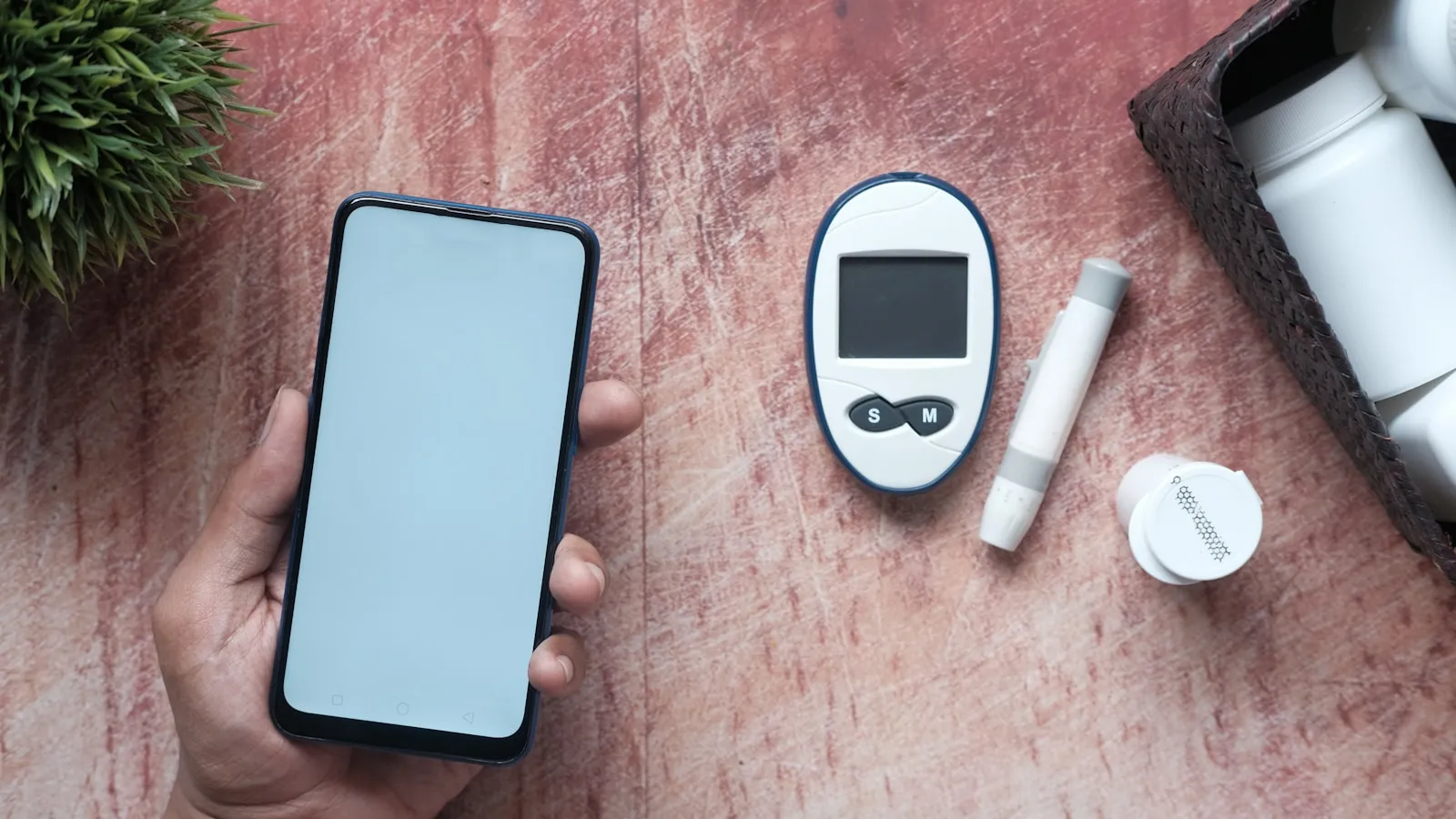
A preventive blood test provides insight into your health before symptoms develop. It is one of the most effective ways to detect potential issues early.
Why preventive testing?
Many health problems develop gradually without symptoms. Preventive testing catches risks early when intervention is most effective. Benefits include early detection, establishing baseline values, targeted lifestyle action and peace of mind.
What to test
A comprehensive preventive panel typically includes: complete blood count, liver and kidney function, cholesterol, blood sugar (glucose, HbA1c), thyroid (TSH), iron status, vitamins (D, B12) and CRP.
How often to test
Ages 20-35: every 3-5 years. Ages 35-50: every 1-2 years. Ages 50+: annually.
Running a preventive check yourself
To measure the values above in one go, the extended health checkup covers the main systems. If you are not sure where to start, the health profile tool helps you work out which values are relevant for you.
Frequently asked questions
Do I need to fast?
For most preventive panels, fasting (8-12 hours) is recommended for reliable glucose and cholesterol values.
Author