You have not felt fully yourself for weeks, but your symptoms are vague. Going to the GP for "I am just tired" feels excessive, and the first appointment is two weeks away. Then you discover you can simply get your blood tested yourself, no referral needed. How does that work exactly, and is it reliable?
Honestly, I think this is one of the most useful shifts in care: you no longer have to wait at a threshold to see your own values. But testing yourself does require that you know what you are measuring and what to do with the result.
Why arrange it without a GP?
There are a few common reasons to choose a blood test without a referral.
- No waiting time: you do not have to wait for an appointment.
- Your choice: you decide which values to test.
- Proactive insight: you want a check without specific symptoms.
- Privacy: your results do not automatically enter your GP file.
- Low threshold: you do not need to justify your reason.
How it works, step by step
The process is straightforward and runs through certified sample collection points. The steps in order.
| Step | What you do | Turnaround |
|---|---|---|
| 1. Choose your test | Pick a single value or a broad panel online | Immediate |
| 2. Book an appointment | Choose one of 750+ collection points in the Netherlands | Often the same week |
| 3. Blood draw | A professional draws your blood | A few minutes |
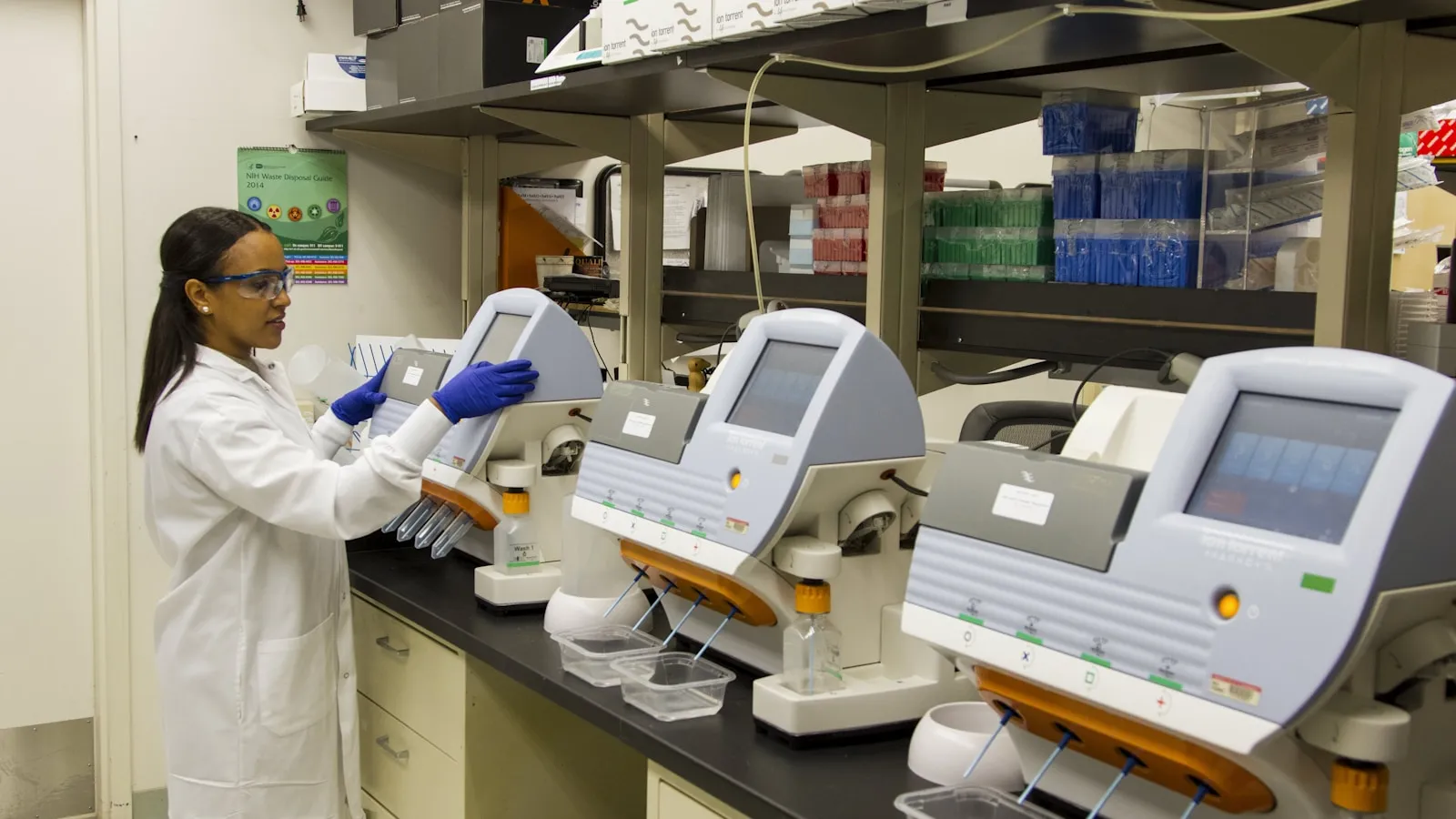
| 4. Lab analysis | A certified medical laboratory analyses your blood | 1 to 3 working days |
| 5. Result | You receive your results digitally with reference values | Usually 2 to 3 working days |
Is it as reliable as via the GP?
Yes. The blood draw is done by the same professionals and your blood is analysed in the same certified laboratories that hospitals use. The only difference is that you place the request, not your GP. Thuisarts.nl and the Dutch College of General Practitioners (NHG) do stress something important: the value of a result lies in its interpretation. A number without context can cause needless worry or false reassurance.
Self-test or via the GP: what suits when?
Self-testing is not a replacement for the GP, but a complement. It helps to know which route suits which situation.
| Situation | Often suitable |
|---|---|
| Preventive check without symptoms | Self-test, then discuss any deviations |
| Vague, persistent symptoms such as fatigue | Self-test a focused panel, take the result to the GP |
| Acute or serious symptoms | Straight to the GP, do not self-test first |
| Known condition that needs monitoring | Via the GP, who tracks the values in your file |
When in doubt: the more serious or acute the complaint, the sooner you go directly to a doctor.
Which tests can you request yourself?
You can have almost all standard tests done yourself. Popular values are the complete blood count, liver and kidney function, the thyroid (TSH), cholesterol, fasting glucose and HbA1c, ferritin, vitamin D and B12, and the inflammation marker CRP. For a broad picture in one go, the complete metabolic panel covers most of these values. If you are unsure which you need, read our guide to the annual blood test.
How do you prepare for the draw?
A reliable result starts with good preparation. A few common mistakes can skew your values, while they are easy to avoid.
- Fasting: for glucose and the lipid profile you are often asked not to eat for 8 to 12 hours. Drinking water is fine and even helpful.
- Drink enough water: being well hydrated makes the draw easier and prevents seemingly raised cell counts from haemoconcentration.
- Timing of medication and supplements: some supplements, such as biotin or high-dose vitamin B, can affect certain tests. Ask about this if you take anything.
- Rest before the draw: intense exercise just beforehand can temporarily raise values such as creatine kinase.
Unsure whether you need to fast? The instruction usually comes with your chosen test, and when in doubt, coming fasted is safest.
What do you do with the result?
You receive your results with clear reference values. On that basis you can find reassurance if everything is in range, consider targeted lifestyle changes for mild deviations, or take the result to your GP for further guidance. A self-test does not replace medical advice. For clearly abnormal values or persistent symptoms, it is always wise to consult a doctor. The RIVM notes that the added value of self-testing lies mainly in acting in time, provided you place the result in the right context.
Frequently asked questions
Is a blood test without a GP reimbursed?
Usually not under basic insurance. Some supplementary policies cover preventive testing. Check your policy or ask your insurer.
Can my GP use the result?
Yes, you can bring the results in. Most doctors appreciate concrete values to work from.
How quickly can I get to a collection point?
At many points you can go the same week or even the same day, often as a walk-in or with a short wait.
Every blood test result at Vitalcheck includes a professional assessment by a BIG-registered doctor. A blood value is not a diagnosis: always discuss treatment decisions with your GP.
Sources
- Thuisarts.nl / NHG. Blood testing and understanding your result. Accessed 2026.
- RIVM. Prevention and health: figures and context. Accessed 2026.
Author