Someone who did a heavy leg workout the weekend before and then has their blood drawn is sometimes startled by a sharply raised AST. It is logical to think of your liver, but the chances are it is simply your muscles. AST sits not only in liver cells, but also in your muscles and your heart.
My stance: reading AST without ALT alongside it is half the job. Only the ratio between the two makes clear whether it comes from your liver or from elsewhere.
What is AST?
AST (aspartate aminotransferase) sits in liver cells, but also in heart muscle, skeletal muscle and kidneys. That makes it less liver-specific than ALT. Normal is below about 35 U/L for men and below 30 U/L for women, although this differs per laboratory.
What does a high AST mean?
A rise shows that cells are being damaged somewhere: in the liver, the muscles or the heart. The enzyme then leaks from damaged cells into your blood. Because AST sits in several tissues, the height of the value on its own says little. A sharply raised AST after a marathon means something very different from the same number in someone who sits still and drinks a lot. To determine the source, your doctor therefore looks at the other liver values, at your story and at the ratio between AST and ALT.
The AST/ALT ratio: your main compass
The ratio between AST and ALT is one of the most informative measures in liver diagnostics. The table below helps you read the ratio.
| AST/ALT ratio | What it suggests | Context that helps |
|---|---|---|
| Below 1 | Fatty liver or mild inflammation | Often slightly raised values, few symptoms |
| Above 2 | Strongly suggestive of alcohol-related liver damage | Usually also a raised gamma-GT |
| Above 1 with known liver disease | May point to fibrosis or cirrhosis | Assessment by a doctor needed |
| High AST, normal ALT | More likely muscle or heart than liver | Recent hard exercise or muscle damage |
A complete explanation of all liver values is in understanding liver values.
Causes of a raised AST
- Intensive exercise: heavy strength training can raise AST for days through muscle damage, not through the liver.
- Fatty liver: often with a slightly raised ALT and AST.
- Alcohol: especially when AST is clearly higher than ALT.
- Medication: including statins and high doses of paracetamol.
- Heart or muscle conditions: because AST also sits in those tissues.
How is AST measured and how do you prepare?
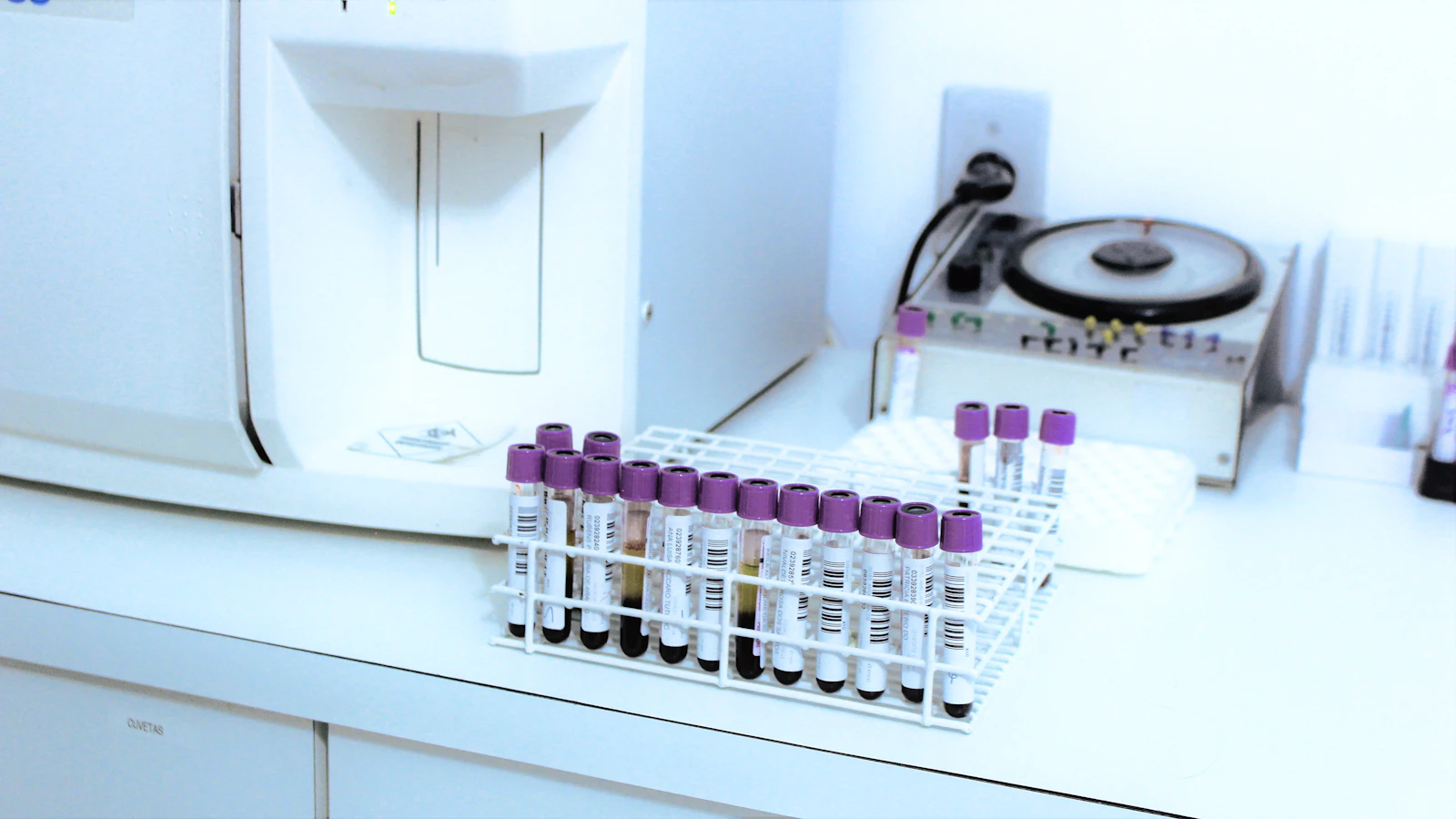
AST is determined in an ordinary tube of blood and does not need to be measured fasting. If you want a reliable liver picture, schedule the draw at least a few days after a hard workout or an intensive sporting event. Muscle damage can keep AST raised for days, independent of your liver. Also avoid alcohol for at least 48 hours beforehand. Always tell your doctor which medications you use, because drugs such as statins or a high dose of paracetamol can affect the value. A measurement at rest, well rested and without recent peak strain, gives the most honest picture. If you regularly do strength training, deliberately schedule your check in a quieter week. That way you avoid being startled by a rise that actually comes from your muscles and has nothing to do with your liver.
What can you do about a high AST?
Mention recent intensive exercise to your doctor; a repeat measurement after a few days of rest often shows whether your muscles were the source. With a lifestyle cause, less alcohol, a healthy weight and regular exercise help. The Netherlands Nutrition Centre (Voedingscentrum) advises a maximum of one glass of alcohol a day, which is sensible precisely with a raised AST. Never stop medication on your own, but discuss it. The Dutch College of General Practitioners (NHG) advises repeating an isolated, mild rise before further investigation.
A check via the Complete Metabolic Panel measures AST, ALT and gamma-GT together, with assessment by a doctor. To recheck just your ASAT and ALAT after a rest period, you can use the liver function test.
Frequently asked questions
Can exercise raise my AST?
Yes. After hard training, AST can stay raised for days due to muscle damage. A measurement after a few days of rest gives a more reliable picture.
Is a raised AST dangerous?
Not necessarily. A one-off, mild rise is often temporary. It becomes more serious with a repeated or large rise, certainly if ALT or gamma-GT also deviate.
What is the difference between AST and ALT?
ALT is more liver-specific, AST also sits in muscle and heart. That is why the ratio between the two is so useful for interpretation.
Can a raised AST point to a heart problem?
Because AST also sits in heart muscle, it can rise with cardiac damage, but it is not a suitable test for that. For the heart, doctors use more specific markers. An isolated raised AST without symptoms points far more often to muscle or liver than to the heart.
How quickly does a raised AST fall after exercise?
After heavy muscle strain, AST usually normalises within a few days to a week. A repeat measurement after enough rest shows whether the muscles were indeed the cause.
Autor