"You have a fatty liver" sounds like a diagnosis you get medication for. The surprising part: there is no pill that resolves fatty liver, but there is an approach that works consistently in research. And it sits on your plate and in your calendar, not in a jar of supplements. My take: weight loss through lifestyle is by far the strongest "treatment" you have, and it is free.
Below you will read what to eat and avoid, how much exercise helps and why you should be careful with "liver supplements".
What is best to eat with fatty liver?
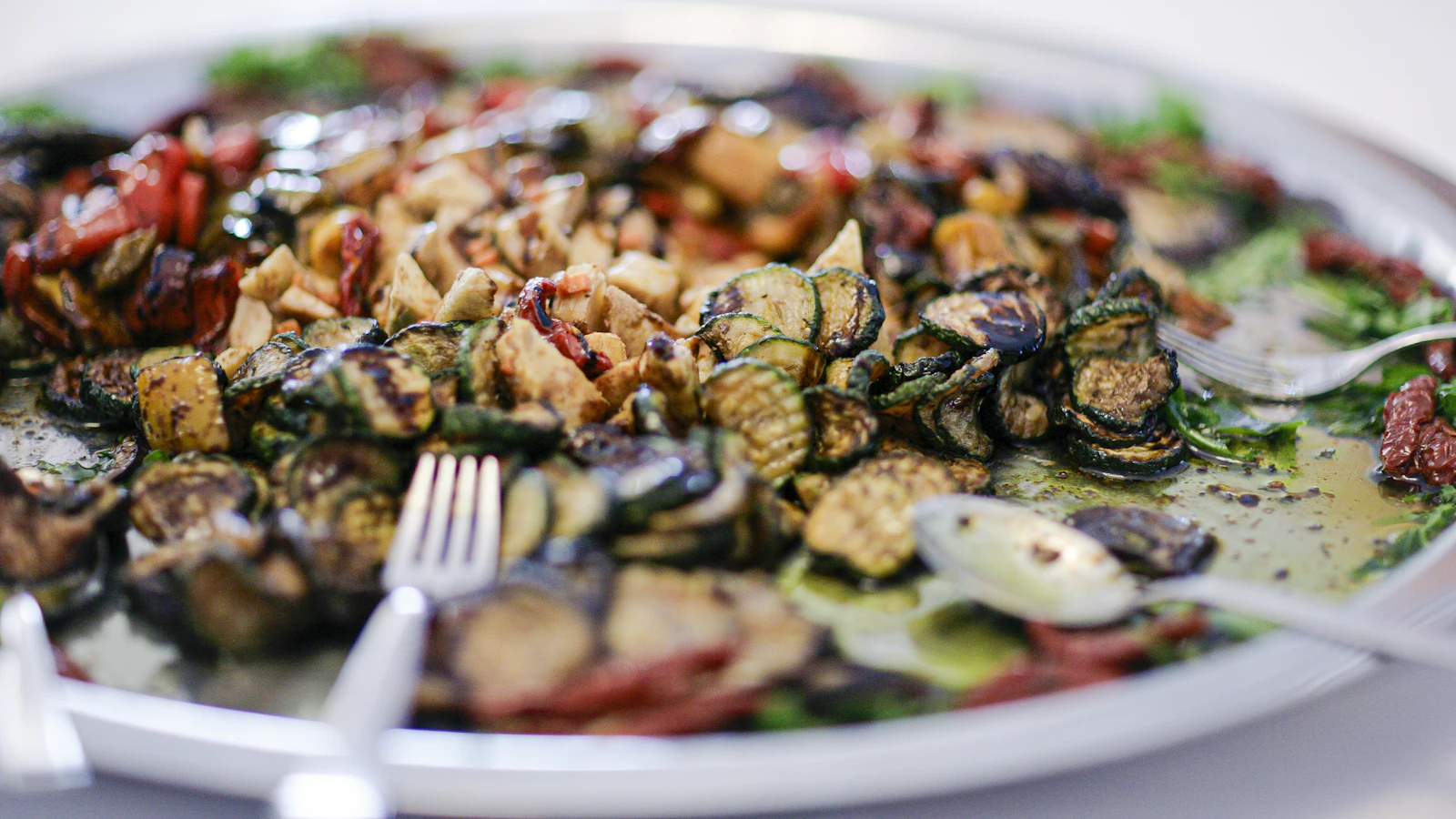
There is no separate "liver diet", but a pattern that improves metabolism helps your liver most. Focus on:
- Vegetables, legumes and whole-grain products as the base
- Fish, nuts and olive oil as sources of healthy fats (a Mediterranean pattern)
- Enough protein to keep muscle mass while losing weight
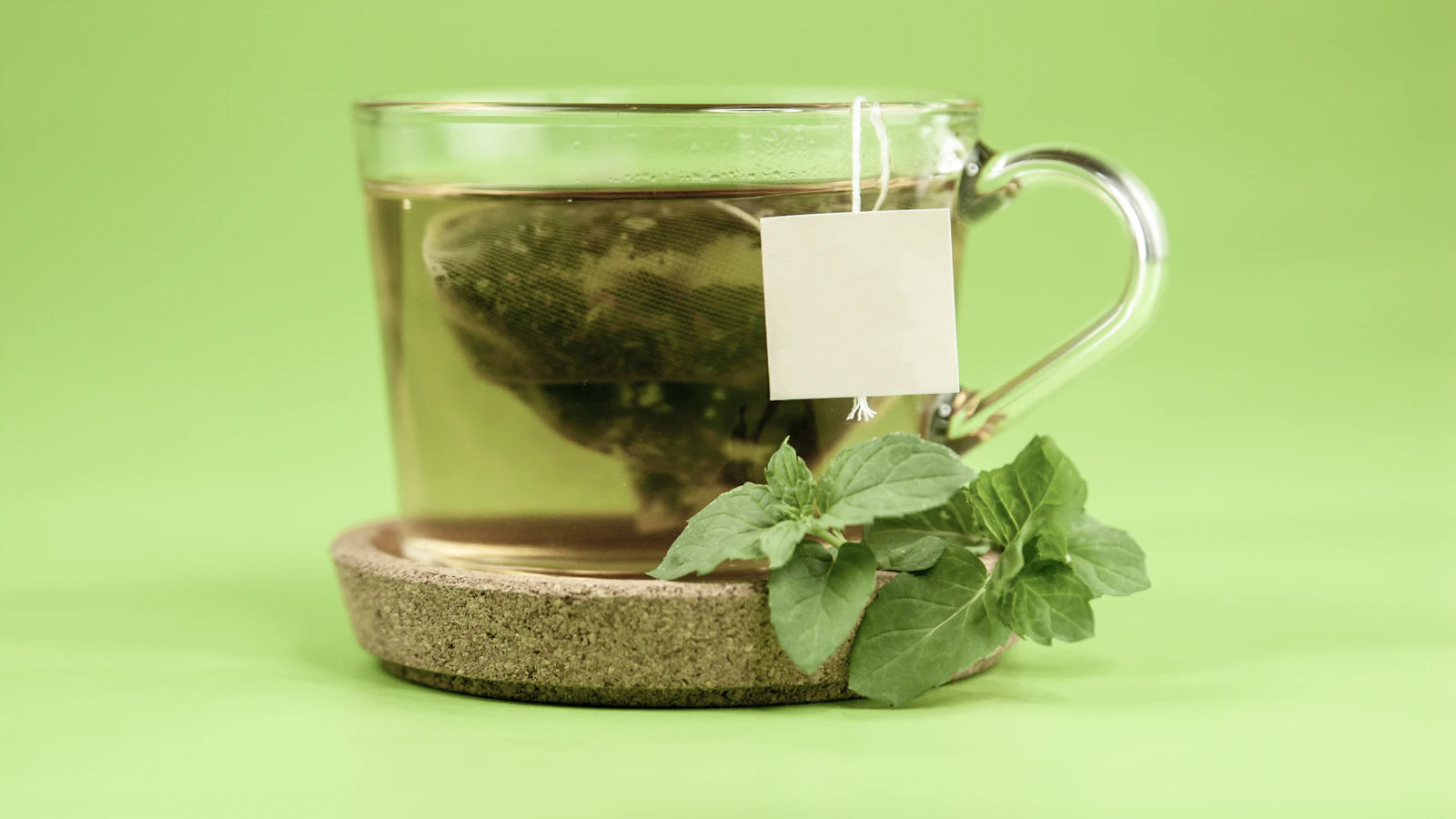
- Water, tea and coffee without sugar instead of soft drinks
This aligns with the Dutch Nutrition Centre (Voedingscentrum) wheel of five: less sugar and processed food, more unprocessed and plant-based. The nice part is that this same pattern also benefits your cholesterol, blood pressure and blood sugar. You are not running a separate "liver project", you are improving your whole metabolism at once. Start small and concrete: swap soft drinks for water and choose one extra meal a day with vegetables as the base. Small, sustainable steps beat a strict diet you drop after two weeks.
What helps, and how much: the overview
| Measure | How much | What it delivers |
|---|---|---|
| Weight loss | 5% of your weight | Less liver fat |
| Weight loss | 7 to 10% | Also less inflammation |
| Exercise | 150 min/week moderate | Better insulin sensitivity |
| Cut sugar and soft drinks | As much as possible | Less load on the liver |
| Reduce alcohol | None or at most 1 glass/day | Lower gamma-GT |
Which foods are better to limit?
- Sugar and fructose: soft drinks, fruit juice and sweets load the liver most.
- Refined carbs: white bread, pastries and many processed products.
- Alcohol: adds extra load, even in the non-alcoholic form.
- Heavily processed food high in saturated fat and added sugar.
Does losing weight help with fatty liver?
Yes, losing weight is the most effective step. Even 5% weight loss reduces the fat, and around 7 to 10% can also improve inflammation. Gradual weight loss works better and more safely for your liver than a crash diet. The Dutch Health Council (Gezondheidsraad) recommends a gradual, sustainable approach over rapid diets.
How much exercise is needed?
Aim for at least 150 minutes of moderate exercise a week, plus some strength training. That is exactly the Dutch Health Council exercise guideline. Exercise improves fatty liver even before you lose weight, by improving insulin sensitivity.
What does a liver-friendly day look like?
Theory is nice, but it only becomes concrete when you know what to eat in a day. An example fitting a Mediterranean, low-sugar pattern:
- Breakfast: oats with nuts and some berries, or whole-grain bread with egg. No fruit juice.
- Lunch: whole grains or legumes as the base, plenty of vegetables, a protein source such as fish or chicken.
- Snack: a handful of unsalted nuts or a piece of fruit instead of a biscuit.
- Dinner: vegetables as the biggest part of your plate, olive oil, fish or legumes, limited starch.
- Drinks: water, tea and unsweetened coffee; skip alcohol as much as possible.
This is not a strict diet, but a direction. The biggest gain is in structurally cutting soft drinks, fruit juice and snacks, exactly the sources of fast sugars that load your liver most.
Do low-carb or intermittent fasting help?
A low-carb or Mediterranean pattern does well in research for fatty liver, mainly because it limits sugar and refined carbs. Intermittent fasting can help if it helps you eat less and lose weight, but it is no magic bullet on its own: in the end it is about taking in less energy and eating more healthily. Choose the pattern you can sustain for months, because consistency beats any short cleanse. If you take medication or have a condition, discuss it with your doctor first.
Do liver supplements work?
For most "liver-detoxing" supplements, such as milk thistle, the evidence is weak. Moreover, some herbal extracts in high doses can actually burden the liver. Put your money into food and exercise instead. Read more in our article on what to do about high liver values.
How long before fatty liver improves?
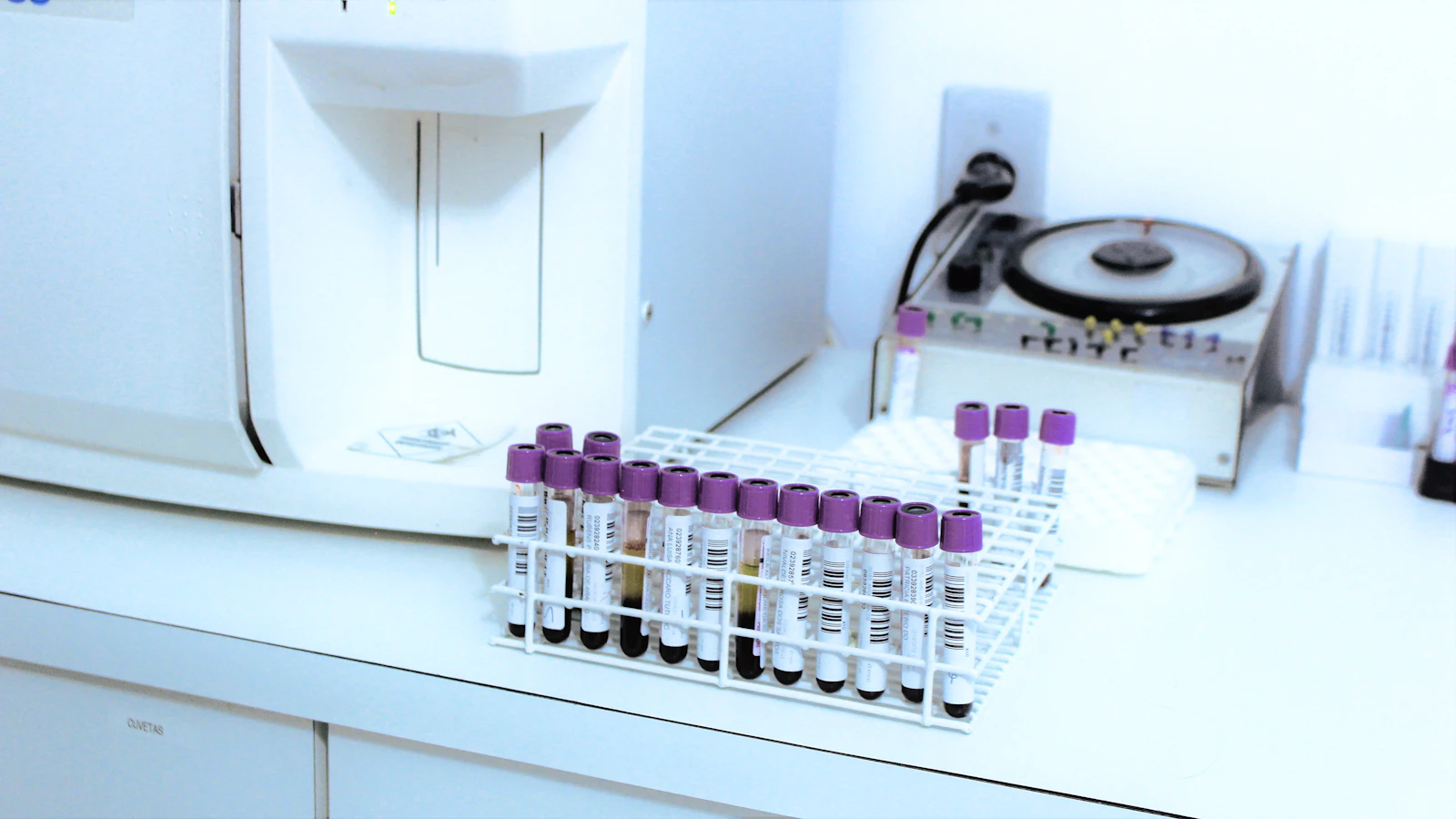
With a consistent approach you often see improvement in your liver values after 3 to 6 months. Want to track progress? The complete metabolic panel from Vital Check measures your ALAT and gamma-GT, with a doctor's review. To track your progress, you can have your liver values checked every three to six months. Which values to watch while you do is explained in understanding liver values.
Frequently asked questions
What should you not eat with fatty liver?
There is no absolute ban, but limit sugar, soft drinks, alcohol and heavily processed products above all. They load metabolism, and so your liver, the most.
Is coffee good for the liver?
Unsweetened coffee is often linked in research to more favourable liver values. It is not a treatment, but fits well in a liver-supporting pattern.
Can fatty liver disappear completely with diet?
In an early stage, often yes. The earlier you start, the greater the chance of full recovery. With advanced damage, improvement is still possible but more limited.
Autor
Vitalcheck
Dr. Naimi, lekarz wpisany do holenderskiego rejestru BIG, nadzoruje standardy medyczne naszych treści i ocen. Przeczytaj naszą politykę medyczną