Doctor's Assessment Included
Every result includes a professional assessment from a BIG-registered doctor. For treatment decisions, discuss your results with your GP.
Lymphocytes: Your Defence Against Viruses
Lymphocytes are white blood cells central to your defence against viruses and to immune memory. They are part of your complete blood count. A high count often fits a viral infection, while a low count can occur with stress, certain infections or medications.
What It Measures
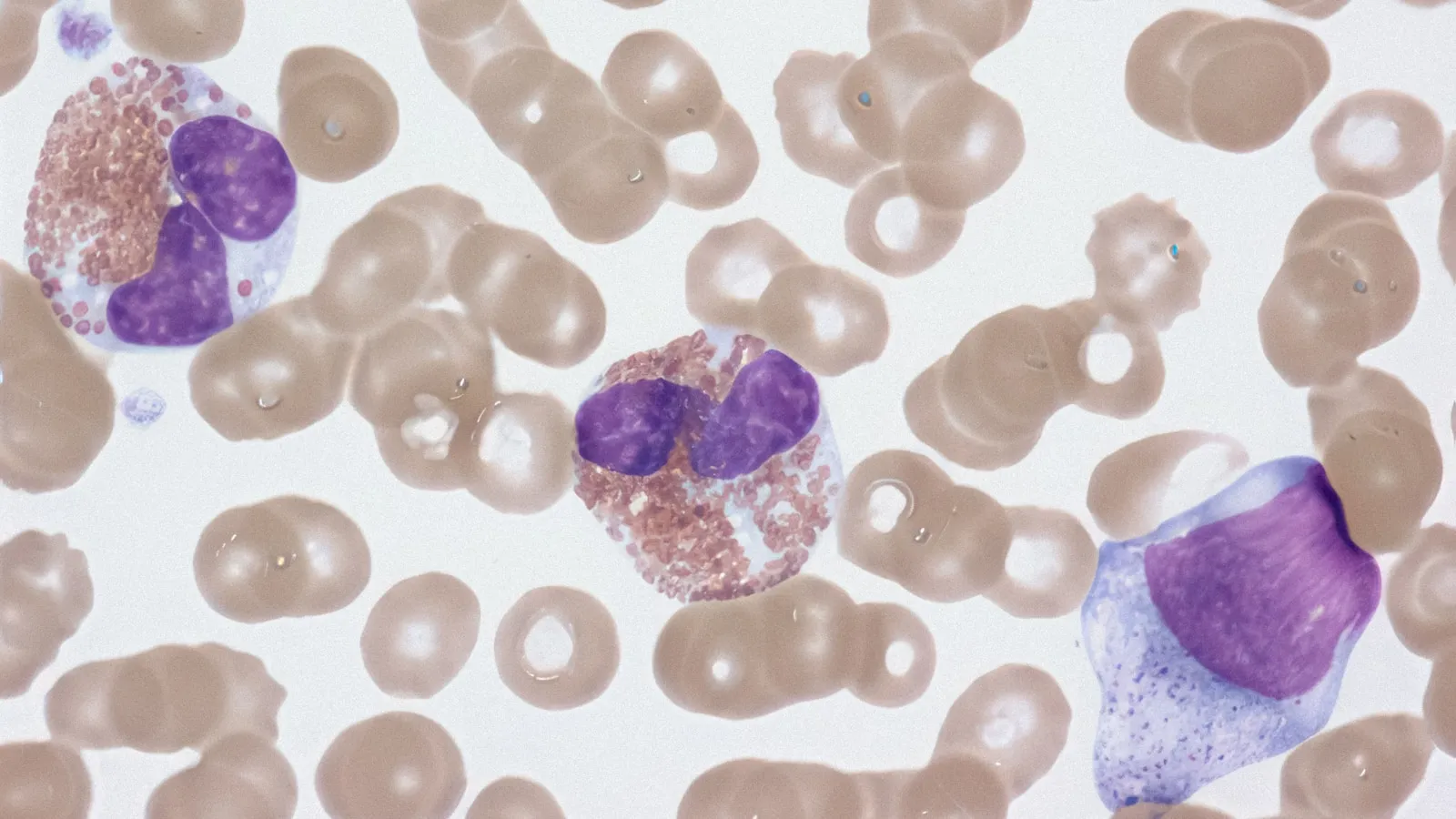
Lymphocytes are white blood cells central to your targeted, long-term immunity. This group includes B cells, which produce antibodies, and T cells, which recognise and clear infected cells. Together they also form your immune memory, allowing your body to recognise pathogens faster on a later encounter.
This test measures how many lymphocytes are present in your blood, as part of a complete blood count with differential. The result can be given as an absolute number and as a percentage of all white blood cells.
Because lymphocytes are mainly involved in defence against viruses, their number gives your doctor extra information alongside the neutrophils, which focus mainly on bacteria.
Why It Matters
The number of lymphocytes helps your doctor assess how your immune system is responding. A raised count (lymphocytosis) often fits with a viral infection, such as a cold, flu or glandular fever, and usually recovers on its own once the infection has passed.
A reduced count (lymphopenia) can occur with severe or prolonged stress, certain infections, the use of corticosteroids or other medications, and with some conditions of the immune system.
The ratio between lymphocytes and the other white blood cells is often more telling than a single value on its own. Your doctor therefore always assesses the result together with your symptoms and the rest of the blood count.
When to Test
Lymphocytes are measured within a complete blood count with differential. This investigation is often ordered for long-lasting, recurring or unusual infections, for persistent fatigue or for general complaints where the cause is still unclear.
The value can also be useful to monitor when an abnormal count was found previously or during treatments that affect the immune system.
After a viral infection, the lymphocyte count can remain slightly raised or lowered for a while. Your doctor may therefore suggest a repeat measurement to see whether the value recovers.
Symptoms
Low Levels
High Levels
Lifestyle Tips
Enough sleep, healthy nutrition and limiting prolonged stress help keep your immune system in balance, as stress hormones in particular influence the lymphocyte count.
After an infection your body needs time to recover, so allow yourself that rest. A one-off, mild deviation is often harmless, but a persistently high or low lymphocyte count should be assessed by a doctor, especially when symptoms are present.