B Vitamins
B12, Folate, B1, and B6: key B vitamins.
Vitamin C is a well-known antioxidant considered essential for immune support, collagen production, and protecting cells from oxidative damage. Adequate levels may contribute to overall health and vitality. Consult your healthcare provider for personalised guidance.
Doctor's Assessment Included
See the value that applies to you:
Choose male or female — this range differs by sex.
Enter your age — this range changes with age.
This range also depends on context such as cycle phase or sample material; the highlighted rows apply to your group.
Reference ranges may vary between laboratories. When you order a test, a BIG-registered doctor assesses your personal results in context. For treatment decisions, discuss your results with your GP.
Check your own valueThis test measures vitamin C (ascorbic acid) levels in your blood, expressed in umol/l. It may help assess whether your body has adequate vitamin C for immune function and antioxidant protection. Your healthcare provider can interpret results in your clinical context.
Maintaining adequate vitamin C levels may support your immune system, promote healthy skin and tissue repair, and enhance iron absorption from plant-based foods. Low levels have been associated with fatigue and slow healing. Your healthcare provider can assess your overall antioxidant status.
Testing may be considered when experiencing slow wound healing, frequent infections, easy bruising, or fatigue. Healthcare providers may also suggest testing for individuals who smoke, have limited fruit and vegetable intake, or have conditions affecting nutrient absorption.
Some people with low vitamin C may experience fatigue, easy bruising, slow wound healing, swollen or bleeding gums, and dry or rough skin. Frequent infections may also occur. In severe cases, scurvy may develop. A healthcare provider can help assess your symptoms.
Very high vitamin C intake, typically from supplementation, may sometimes cause digestive discomfort, including diarrhoea and nausea. Some people may experience kidney stone risk at very high doses. Consult your healthcare provider about appropriate intake levels for your situation.
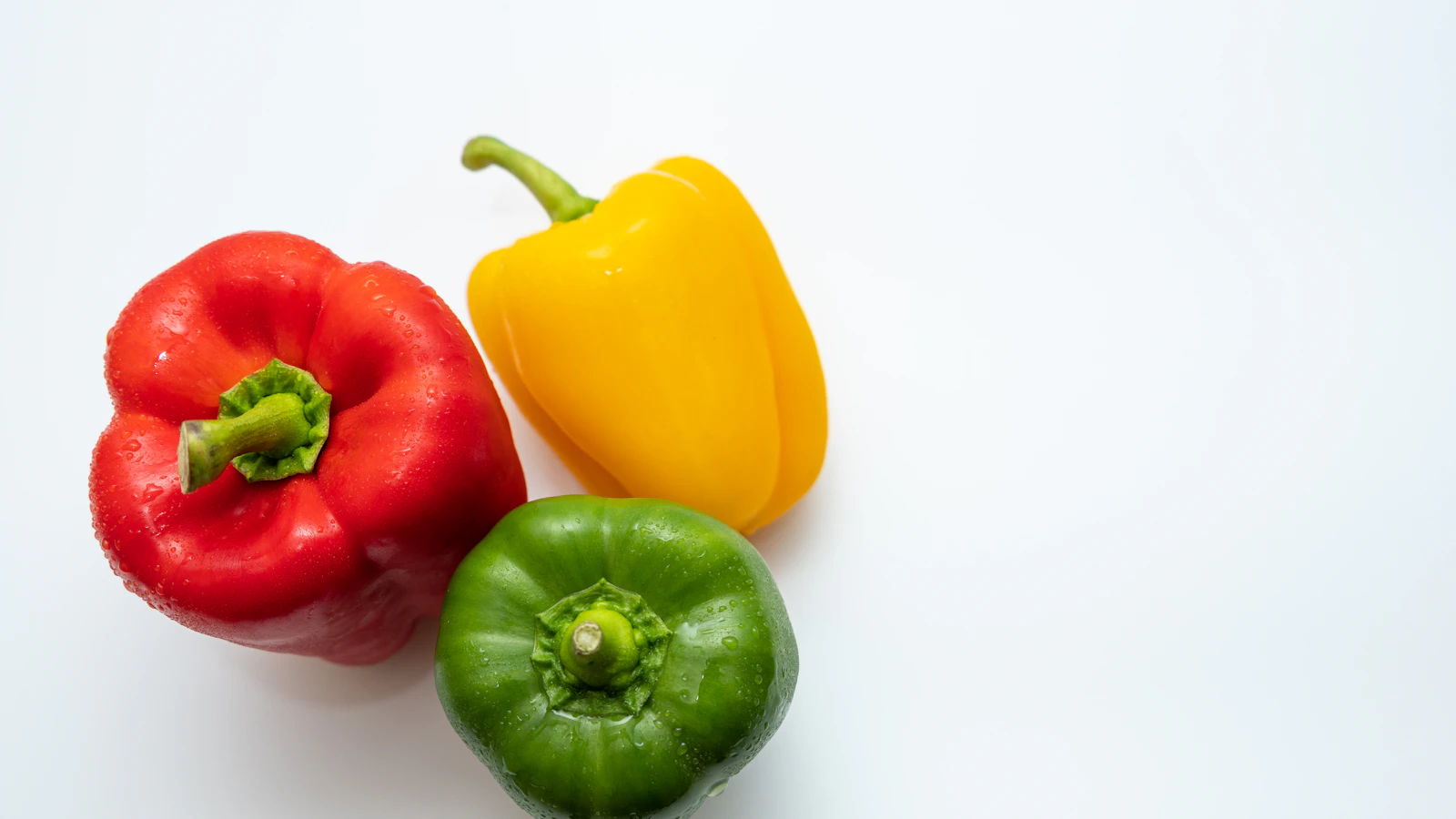
Foods considered rich in vitamin C include citrus fruits, berries, bell peppers, broccoli, and kiwi. Vitamin C is heat-sensitive, so raw or lightly cooked foods may retain more. Some people may benefit from increased intake during illness. Discuss supplementation with your healthcare provider.
These panels measure values from the same category as this marker.
B12, Folate, B1, and B6: key B vitamins.
An InsideTracker blood test with 35 biomarkers: heart, hormones, metabolism, inflammation, recovery and iron status. Measured in the Netherlands.
A 50-biomarker performance panel inspired by the WHOOP Performance Health Panel — recovery, blood production, thyroid, hormones, iron and nutrient status for people who train.
A 53-biomarker women's health panel inspired by the WHOOP Women's Health Panel — fertility, cycle and thyroid hormones plus a complete metabolic and nutrient base.
Medical reviewer
Dr. Naimi oversees the medical standards behind our content and assessments.
Medical policyDoctor's Assessment Included
Every result includes a professional assessment from a BIG-registered doctor. For treatment decisions, discuss your results with your GP.
Vitamin C
€59,-