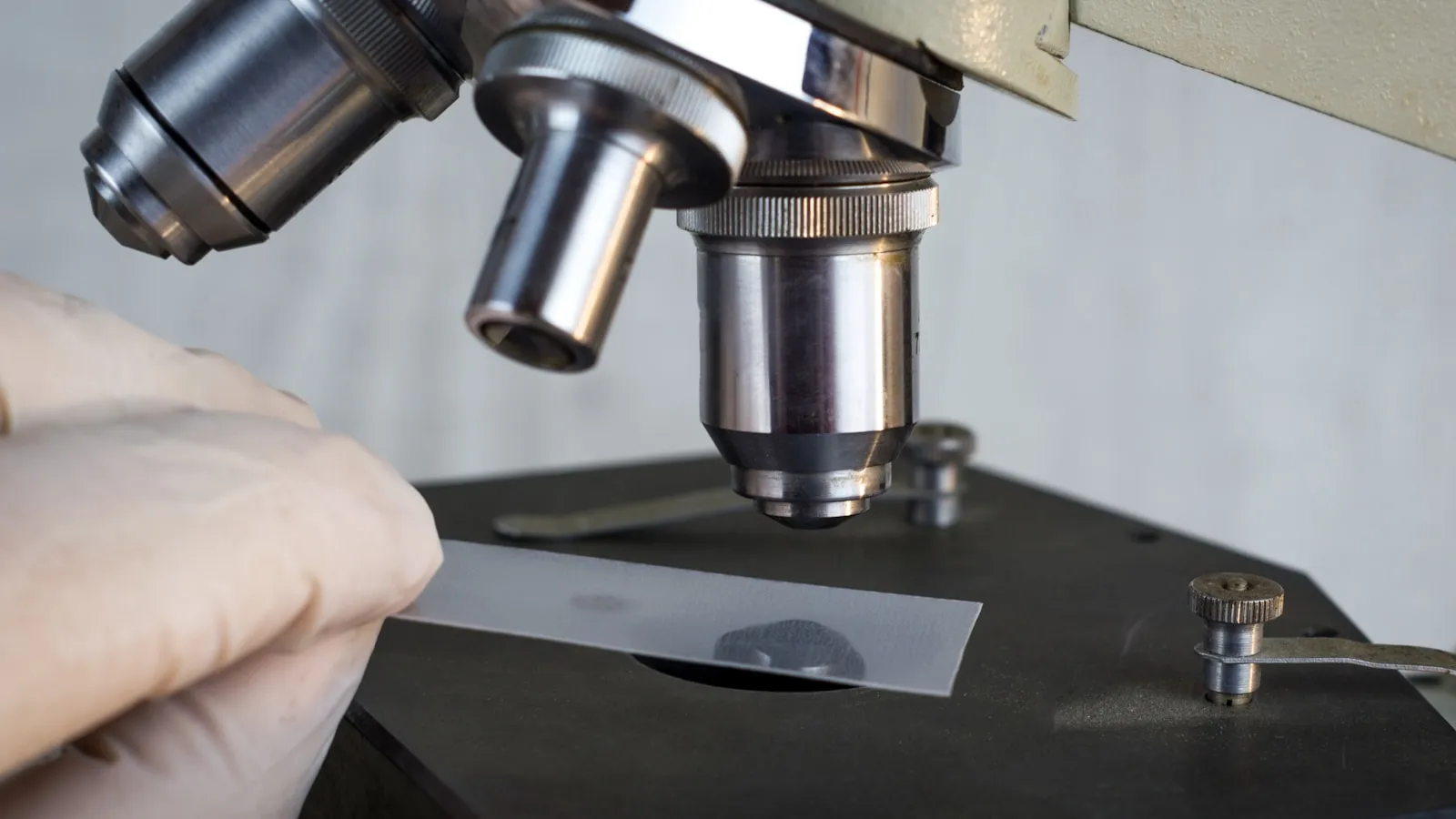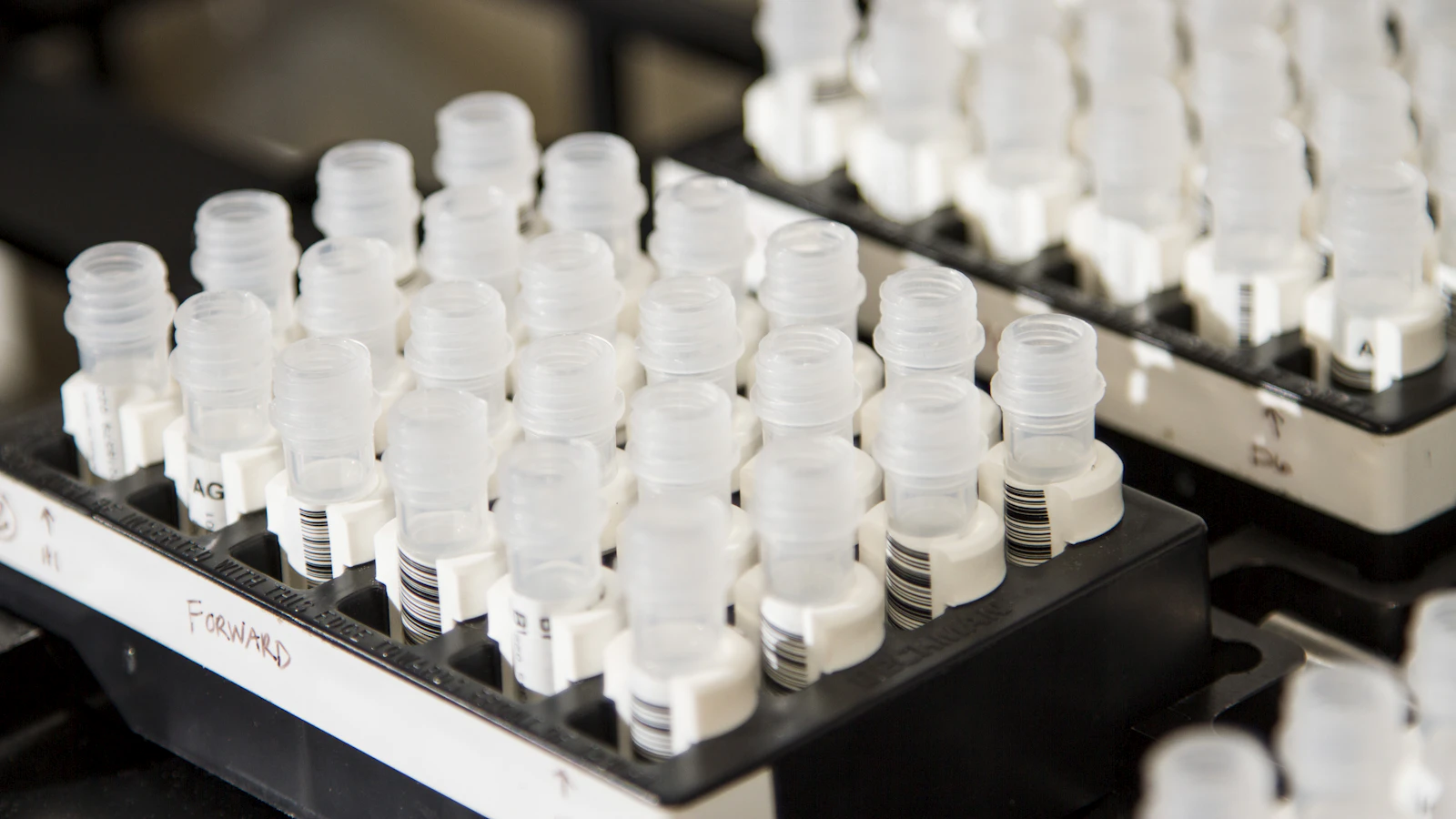
You had blood drawn and suddenly CRP or ESR shows up on your result, with an arrow pointing up. That is exactly the moment many people worry. Yet these two inflammation markers say little on their own: they show that inflammation is somewhere, but not where or why. In our experience it helps a lot to first understand what CRP and ESR do and do not tell you. A review in Frontiers in Immunology notes that CRP rises within about 6 to 8 hours of a trigger, and can climb hundreds of times above normal in a strong inflammation (Sproston 2018).
This overview explains what inflammation markers are, what CRP and ESR measure, and what a raised value can mean. Think of it as the hub: the separate topics are worked out in their own articles below.
What are inflammation markers?
Inflammation markers are substances in your blood that rise when your immune system becomes active. They are not a disease themselves, but a signal that your body is reacting to something. That can be an infection, an injury, or a smouldering process you do not feel. Inflammation is not always bad: it is how your body defends and repairs itself.
What is CRP?
CRP is a protein your liver makes within hours when there is inflammation or infection. It rises fast and falls fast once the cause is gone. That makes CRP a useful snapshot of what is happening now. For the exact numbers, read the article on your CRP level.
What is ESR?
ESR measures something indirect: how fast your red blood cells settle in a thin tube. During inflammation certain proteins change, so the cells clump and sink faster. ESR reacts more slowly than CRP and stays raised longer, which suits longer-running processes. More in the article on ESR and sedimentation.
CRP and ESR: what is the difference?
| Feature | CRP | ESR (sedimentation) |
|---|---|---|
| What it measures | Liver protein during inflammation | How fast red cells settle |
| Reaction speed | Fast, within hours | Slow, over days |
| Falls again | Fast after recovery | Slowly after recovery |
| Sensitive to age | Barely | Yes, rises with the years |
| Best for | Acute or recent inflammation | Longer-running processes |
Wondering which one fits your situation? That is covered in CRP or ESR. In short they complement each other, so they are often requested together.
What do raised inflammation markers mean?
A raised marker means your immune system is reacting to something, no more. It is a clue, not a diagnosis. The height gives a hint about how strong the reaction is.
| Picture | What it can mean | Sensible step |
|---|---|---|
| Slightly raised CRP | Mild or fading inflammation, sometimes lifestyle | Repeat after a few weeks |
| Strongly raised CRP | Often an active infection or inflammation | Discuss soon with your GP |
| Raised ESR, normal CRP | Possibly a longer-running process | Context and repeat needed |
| Both normal | Inflammation less likely | Reassuring starting point |
A slightly raised value while you feel fine is often not cause for alarm. Markers fluctuate, so a single reading is usually repeated before drawing conclusions.
Raised CRP without symptoms
You feel fine, but your CRP sits just above the reference. That is often harmless, for example after a cold, intense exercise or extra weight. Sometimes it is worth following. Read more in raised CRP without symptoms.
Low-grade inflammation
Besides sharp, acute inflammation there is a subtler form: chronic low-grade inflammation, where your immune system stays slightly switched on. Researchers link this smouldering type to a range of conditions that build over the years (Furman 2019). Which values give insight is covered in chronic low-grade inflammation, and dietary angles in lowering inflammation with diet.
hs-CRP and your heart
There is a more sensitive version of the CRP test, hs-CRP (high-sensitivity CRP), which measures very low values precisely. Research links a slightly raised hs-CRP to a higher cardiovascular risk, even in people who feel healthy (Pearson 2003). What that means is covered in hs-CRP and heart risk, and the broader picture in apoB, hs-CRP and homocysteine.
When are inflammation markers useful?
There is no single rule for everyone. Some people measure their markers when they have persistent, vague complaints, such as fatigue, joint pain or recurring fever without a clear cause. A value then gives a concrete starting point instead of guesswork.
To measure without a referral, CRP is included in the Vitalcheck basic health checkup, and for a broader view you can choose the extended health checkup. You can also read up on CRP and ESR. Every result is reviewed by a BIG-registered doctor.
What can you do about an abnormal value?
An abnormal marker is not a diagnosis, but a signal. The next step is almost always a conversation with your GP, who combines your result with your symptoms. Markers fluctuate, so an abnormal value is often repeated before conclusions follow. Do not change medication or supplements without discussing it first. To learn how to read a result in general, the article on understanding blood test results explains how reference ranges work and why one off value is rarely the whole story.
References
- Sproston NR, Ashworth JJ. Role of C-Reactive Protein at Sites of Inflammation and Infection. Front Immunol. 2018. PMID: 29706967.
- Pearson TA, et al. Markers of inflammation and cardiovascular disease. Circulation. 2003. PMID: 12551878.
- Furman D, et al. Chronic inflammation in the etiology of disease across the life span. Nat Med. 2019. PMID: 31806905.
- Thuisarts.nl. About blood testing.
Every blood test result includes a professional assessment from a BIG-registered doctor. For treatment decisions, discuss your results with your GP.
Author
Vitalcheck
Dr. Naimi, BIG-registered physician, oversees the medical standards behind our content and assessments. Read our medical policy