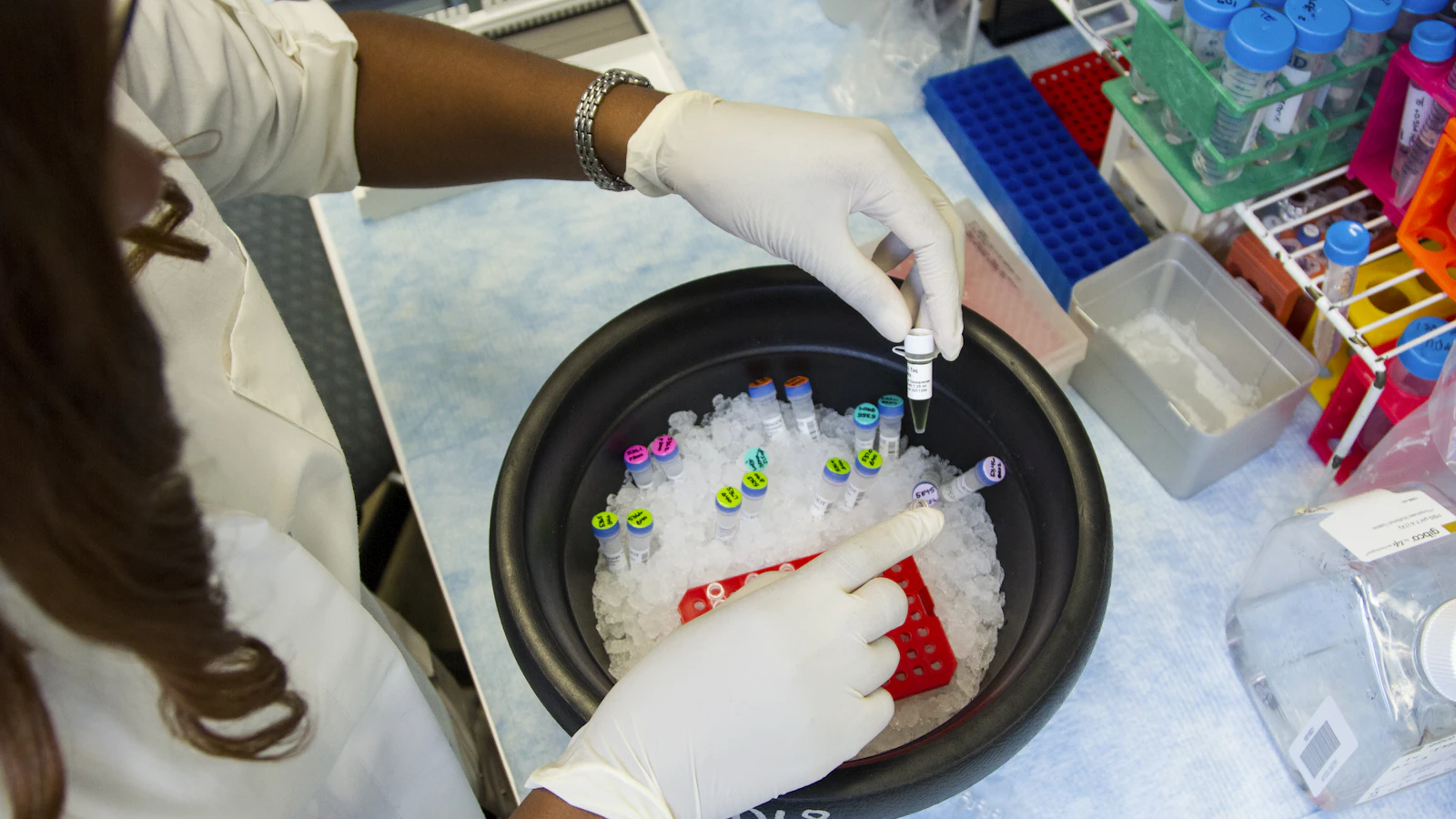
You have just received your blood results and your cholesterol is too high. The first reaction is often the same: can I lower this without medication? The short answer: yes, in many cases you can achieve a serious drop with targeted lifestyle changes. But it is important to be honest about what does and does not work, and when medication is the better choice after all.
My view: the biggest lever is not a supplement or a trick, but which fat you structurally eat. That is where most of the gain is.
First: understand your cholesterol values
Before you start, it helps to understand which values matter. "Cholesterol" is not a single value but an interplay of components:
- LDL cholesterol: the "bad" cholesterol. LDL carries cholesterol to your arteries, where it can build up. Target: below 3.0 mmol/L, lower at increased risk.
- HDL cholesterol: the "good" cholesterol. HDL clears excess cholesterol to your liver. Target: above 1.0 mmol/L (men) or 1.3 mmol/L (women).
- Triglycerides: a type of fat that rises from sugar, alcohol and a calorie surplus. Target: below 1.7 mmol/L.
The full story is in our pillar cholesterol, what it is and how to lower it.
What actually works? The approach in one view
Not every lifestyle measure delivers the same. This table lists the most important ones, with the expected effect and which value it mainly targets. The numbers are guide figures, because the effect differs per person.
| Measure | Expected effect | Mainly on |
|---|---|---|
| Replace saturated fat with unsaturated fat | Largest effect on your LDL | LDL |
| Soluble fibre (3 g beta-glucan per day) | LDL around 5 to 10% lower | LDL |
| Plant sterols and stanols (1.5 to 2.4 g per day) | LDL around 7 to 10% lower | LDL |
| 150 minutes of exercise per week | HDL around 5 to 10% higher | HDL and triglycerides |
| 5 to 10% weight loss | Measurable improvement across the profile | LDL, HDL, triglycerides |
| Less alcohol | Lower triglycerides | Triglycerides |
| Stop smoking | HDL rises within weeks | HDL and artery wall |
Diet: the biggest lever
Of all lifestyle changes, diet has the most direct effect. It is not about a temporary diet, but about structural changes you keep up.
Replace saturated fat with unsaturated fat
This is the most important dietary measure. Saturated fat (in butter, cheese, fatty meat, pastries) raises your LDL, unsaturated fat (in olive oil, nuts, avocado, oily fish) lowers it. The Gezondheidsraad (the Dutch Health Council) dietary guidelines therefore explicitly favour unsaturated fat. Cook in olive oil instead of butter, choose nuts as a snack, eat oily fish twice a week.
More soluble fibre
Soluble fibre binds cholesterol in your gut and clears it. Good sources are oats and oat bran, legumes, apples and pears, and psyllium fibre. Three grams of beta-glucan per day, roughly a generous portion of oats, can lower your LDL by 5 to 10%.
Omega-3 and plant sterols
Omega-3 mainly lowers triglycerides. The Gezondheidsraad recommends fish at least once a week, preferably oily fish. Plant sterols and stanols in fortified margarines slow cholesterol absorption in your gut and can lower LDL by 7 to 10%.
Exercise, weight and smoking
Regular exercise raises your HDL and lowers your triglycerides, especially if you lose weight at the same time. It does not need to be an intensive sports programme: 30 minutes of brisk walking a day already has a measurable effect, as long as you keep it up. Overweight, especially belly fat, is linked to an unfavourable profile, and even 5 to 10% weight loss can bring improvement. Stopping smoking is probably the most impactful step for your cardiovascular health, apart from the cholesterol effect.
Alcohol: less is better
Alcohol raises triglycerides, even with moderate use. The old idea that a glass of red wine is good for your heart is increasingly qualified by recent research. If you want to lower your triglycerides, less or no alcohol is an effective step.
When is medication necessary after all?
This is an honest question that deserves an honest answer. Lifestyle is powerful, but not always enough. The NHG cardiovascular risk management standard recommends medication based on your total risk, not on your cholesterol number alone. Medication, usually statins, can be necessary if:
- Your cardiovascular risk is high: calculated from cholesterol, blood pressure, age, smoking, family history and possibly diabetes.
- You have familial hypercholesterolaemia: an inherited condition where your LDL is extremely high without treatment. Lifestyle alone is then not enough.
- Lifestyle changes give too little result: if you see too little drop after 3 to 6 months, medication can be a sensible addition.
- You have already had cardiovascular disease: after a heart attack or stroke, statins are standard care.
Statins lower LDL by 30 to 50% and demonstrably reduce the risk of cardiovascular events. Needing medication is not a failure: it is a sensible choice based on your risk profile. Always discuss this with your GP.
Monitoring: why regular testing helps
Whether you choose lifestyle, medication or a combination: regular testing shows whether your approach works. A follow-up measurement after 3 months gives a reliable picture. Without measuring you do not know whether your efforts have an effect, because cholesterol gives no symptoms. At vitalcheck you can have your values drawn with a lipid panel, without a referral.
Frequently asked questions
How often should I have my cholesterol checked?
With normal cholesterol and no risk factors: once every few years. With raised cholesterol or if you change your lifestyle: a check after 3 months, then yearly. On statins: yearly, or more often if your doctor advises.
Are eggs bad for my cholesterol?
The fear of eggs is largely outdated. Dietary cholesterol has a modest effect on your blood cholesterol, saturated and trans fat weigh more heavily. Most people can eat an egg a day without trouble.
Do supplements help against high cholesterol?
Red yeast rice contains a natural statine and can lower LDL, but the dose varies and side effects resemble those of statins. Omega-3 mainly lowers triglycerides. Always discuss supplement use with your doctor, especially alongside medication.
How quickly will I see results?
Dietary changes can have a measurable effect within 2 to 4 weeks. After 3 months you have a reliable picture of what lifestyle delivers. Statins work faster, with the maximum LDL drop after 4 to 6 weeks.
What to take from this
Start with the fat you eat every day and build the rest around it: fibre, exercise, weight and smoking. If lifestyle is not enough, medication is not a defeat but a sensible choice based on your total risk. Every blood test result at Vitalcheck includes a professional assessment by a BIG-registered doctor. Always discuss treatment decisions with your GP.
Sources
- Gezondheidsraad. Dietary guidelines. Accessed 2026.
- NHG cardiovascular risk management standard. Dutch College of General Practitioners.
- Hartstichting. Lowering cholesterol and preventing cardiovascular disease. Accessed 2026.
Author
Vitalcheck
Dr. Naimi, BIG-registered physician, oversees the medical standards behind our content and assessments. Read our medical policy
Related Tests
Related Posts
Atorvastatin and weight gain: what does the research say?

Statin muscle pain: what you can do and what your CK value says