The treacherous thing about fatty liver is that it leaves you alone at first. Your liver has barely any nerve endings, so you do not feel damage quickly. As a result, you can have a fatty liver for years without noticing a thing. Often a slightly raised liver value in your blood is the first and only signal.
My stance: with fatty liver you should not wait for symptoms. By the time you really feel something, the condition is usually already advanced. That is exactly why measuring is more valuable than feeling.
What are the symptoms of fatty liver?
In the early phase there are usually no or only very vague complaints. If there is something, it can be:
- persistent tiredness and low energy;
- a full or nagging feeling in the upper right abdomen, where the liver sits;
- reduced appetite;
- concentration problems or a "foggy" feeling in the head.
These complaints are not very specific and fit with many conditions. On their own they say nothing yet about your liver.
Early or advanced? The signals in a row
The table below helps you distinguish vague early complaints from signals that call for action.
| Phase | Possible signals | What to do |
|---|---|---|
| Early fatty liver | No complaints, sometimes tiredness or a full feeling upper right | Adjust lifestyle, have liver values measured |
| Inflammation (NASH) | Persistent tiredness, pressing feeling upper right | Consult your doctor, possibly an ultrasound |
| Advanced (scarring) | Jaundice, dark urine, swelling of abdomen or legs | See your doctor promptly |
Why does fatty liver often give no symptoms?
Your liver can take a lot and keeps working, even when part of it is damaged. On top of that, liver damage causes barely any pain due to the lack of nerve endings. The result: you can have a fatty liver for years without noticing. A slightly raised ALT in your blood is often the first signal.
Who is most at risk?
Symptoms are often absent, but risk factors certainly are not. You are at greater risk of the non-alcoholic form of fatty liver with overweight, especially around the abdomen, with type 2 diabetes or insulin resistance, with high cholesterol or high triglycerides, and with little exercise. Alcohol fuels the alcoholic form. If you recognise yourself in several of these points, waiting for symptoms is not a good strategy. It is precisely then that a blood test is valuable, because a slightly raised ALT is often the only early signal.
When do you see your doctor?
Contact your doctor with yellow discolouration of skin or the whites of the eyes, dark urine or pale stools, swelling of the abdomen or legs, or persistent, unexplained fatigue with pain in the upper right abdomen. The Netherlands Nutrition Centre (Voedingscentrum) names overweight, an unhealthy diet and little exercise as the main risk factors for the non-alcoholic form of fatty liver, while alcohol fuels the alcoholic form.
How is fatty liver diagnosed?
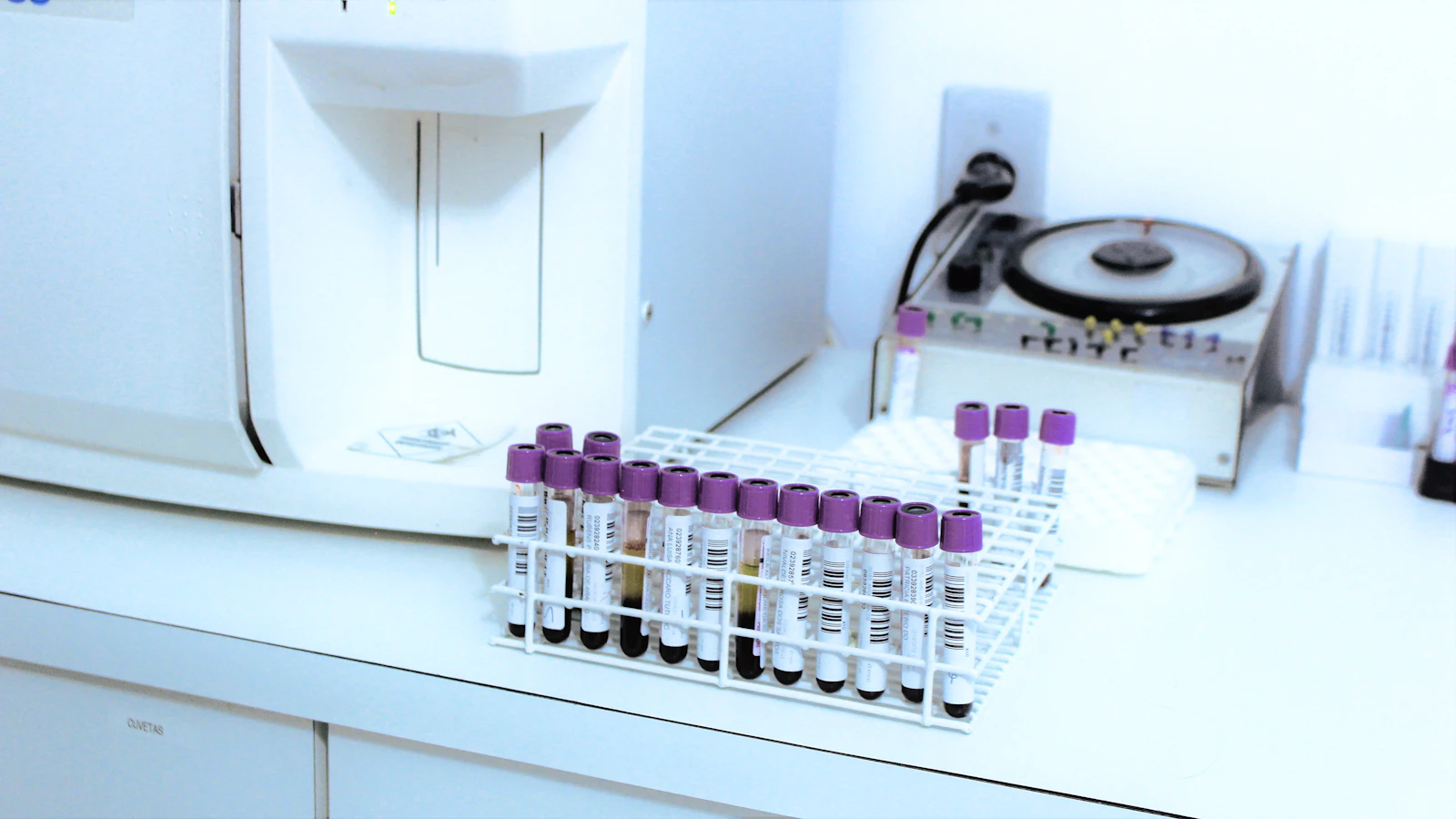
It often starts with a blood test in which the liver values turn out to be raised. With a suspicion, an ultrasound of the liver usually follows, and sometimes additional tests. To understand what the values mean, read understanding liver values or the overview in fatty liver: causes and stages. The good news: the Dutch College of General Practitioners (NHG) stresses that lifestyle, especially weight loss, is the cornerstone of treatment and that early fatty liver is often well reversible.
What do you do if you have fatty liver?
The most important medicine is not a pill but lifestyle. The Netherlands Nutrition Centre (Voedingscentrum) stresses that gradual weight loss, a high-fibre and low-sugar diet, and regular exercise can reduce the fat build-up in the liver. A reduction of roughly five to ten percent of your body weight already has a measurable effect on liver values in many people. Less or no alcohol helps too, even with the non-alcoholic form. Plan the changes gradually and sustain them, because crash diets backfire. Have your liver values measured again after a few months to see whether you are on the right track. Staying realistic helps: small, lasting changes to your eating and exercise habits achieve more in the long run than a short, strict regime you cannot sustain.
You can have your liver values checked with the Complete Metabolic Panel from Vital Check, including assessment by a doctor. If you are unsure whether your liver values are normal, a liver function test gives quick clarity.
Frequently asked questions
Can you feel fatty liver?
Usually not. In an early stage it causes no pain. Sometimes there is a full feeling in the upper right abdomen, but that is often absent entirely.
Is fatigue a sign of fatty liver?
Fatigue occurs with fatty liver, but it is very non-specific. It can have countless other causes. Only in combination with abnormal liver values does it become indicative.
Is fatty liver reversible?
In the early phase often yes. Weight loss, less alcohol and more exercise can reduce the fat build-up. Always discuss your approach with your doctor.
Does fatty liver always cause raised liver values?
Not always. Some people with fatty liver have (still) normal liver values. That is why, with a strong suspicion such as significant overweight, additional investigation like an ultrasound may be needed, even if the blood is still reassuring.
Author