Order a kidney function blood test and check your kidney values
Creatinine, eGFR, and BUN: key kidney markers.
Add to your order
No referral needed
Added to your order
Click the button to view your cart
Included Markers
3 markersYour kidneys filter your blood around the clock, removing waste products and excess fluid. A kidney function blood test measures three important kidney markers at once: creatinine, urea and eGFR.
You order this blood test online, need no referral and have your blood drawn at a certified sample point. Within a few working days you receive clear results, including an assessment by a doctor.
Why this test?
Changes in kidney function often develop gradually and may only cause symptoms once the filtering capacity has declined significantly. A kidney function test can give you preventive insight into how your kidneys are working right now.
By measuring creatinine, urea and eGFR together, you get a practical overview of your kidney values. This is not a diagnosis, but a snapshot you can discuss with a doctor.
Who is this test for?
A blood test of your kidneys may suit people who:
- want to check their kidney health preventively as part of a general check
- have a family history of kidney conditions
- take medications that can affect kidney function
- have a condition such as high blood pressure or diabetes that may strain the kidneys over time
- had previously abnormal kidney values and want to follow up
What is tested?
This panel measures three kidney-related markers in your blood:
- Creatinine: a waste product of normal muscle metabolism that your kidneys filter from the blood. An elevated value may suggest reduced filtration.
- Urea (BUN): a waste product of protein metabolism, also filtered by your kidneys. The value can vary with diet and hydration.
- eGFR (estimated glomerular filtration rate): calculated from your creatinine and an estimate of how efficiently your kidneys filter.
A standalone creatinine test gives less context than this panel, in which the three values are viewed together. You can read more on the pages about creatinine, urea (BUN) and eGFR.
What can this test tell you?
Elevated creatinine combined with a reduced eGFR may suggest that your kidneys are not filtering as efficiently as expected. Urea adds context, since it is influenced by protein intake and hydration as well as kidney function. Together, these three markers give a clearer picture than any one of them alone.
A single set of results is always a snapshot. Your values can fluctuate with hydration, diet and physical activity. A doctor can help you determine whether your results indicate a trend or a temporary variation.
How is the sample collected?
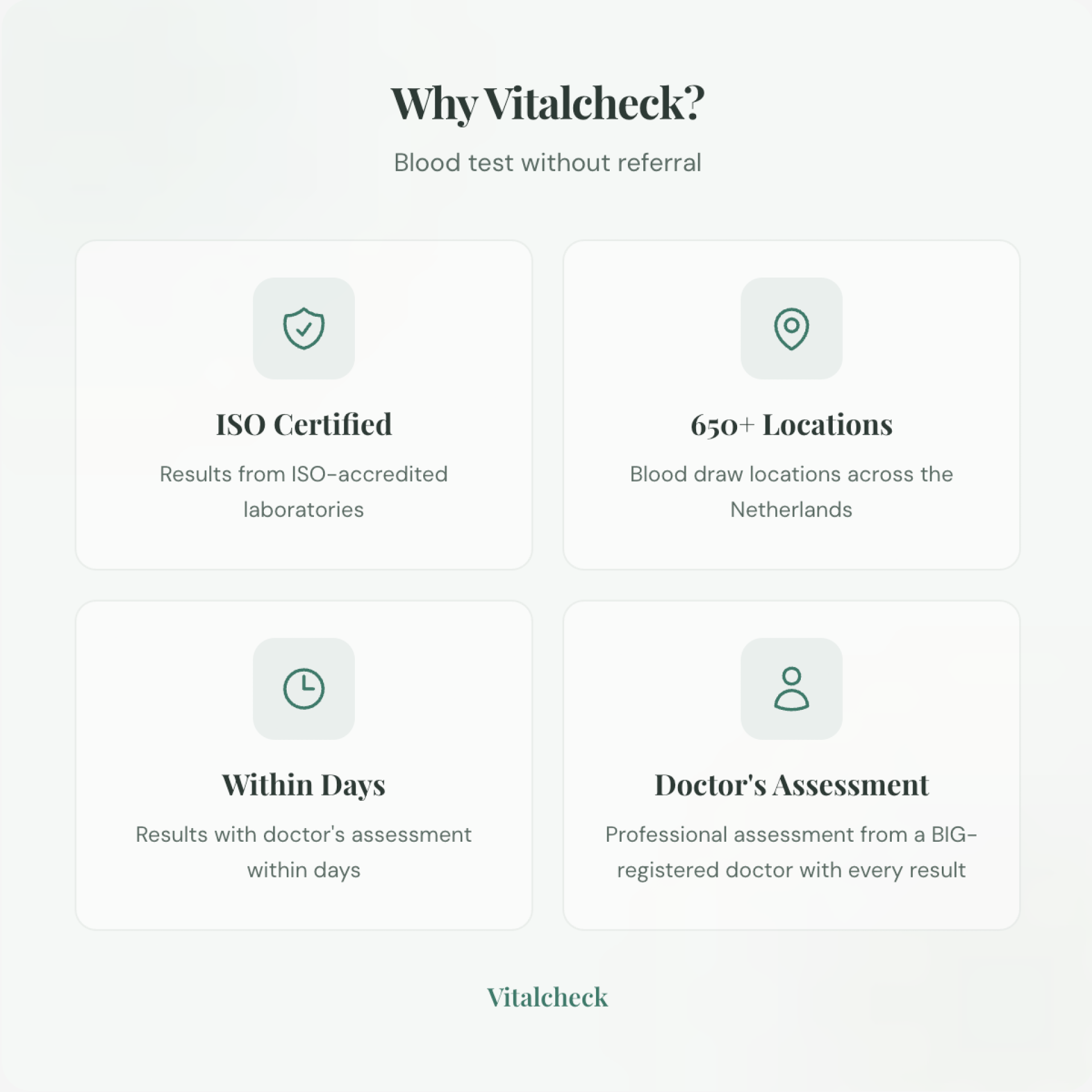
For this blood test, blood is drawn at a certified sample point. There are 700+ locations across the Netherlands, which you choose yourself after ordering.
You do not need to see your GP first: this is a blood test without a referral, where you pick a location and a time that suit you. The draw is done by trained staff and usually takes only a few minutes.
When is this test useful?
Testing your kidneys can be useful when:
- you want a focused check on your kidney filtration without a full metabolic panel
- you take medications that can affect kidney function, such as certain pain relievers or blood pressure medication
- you have a condition that may strain your kidney health over time
- you want to establish a baseline for future comparison
What do the results mean?
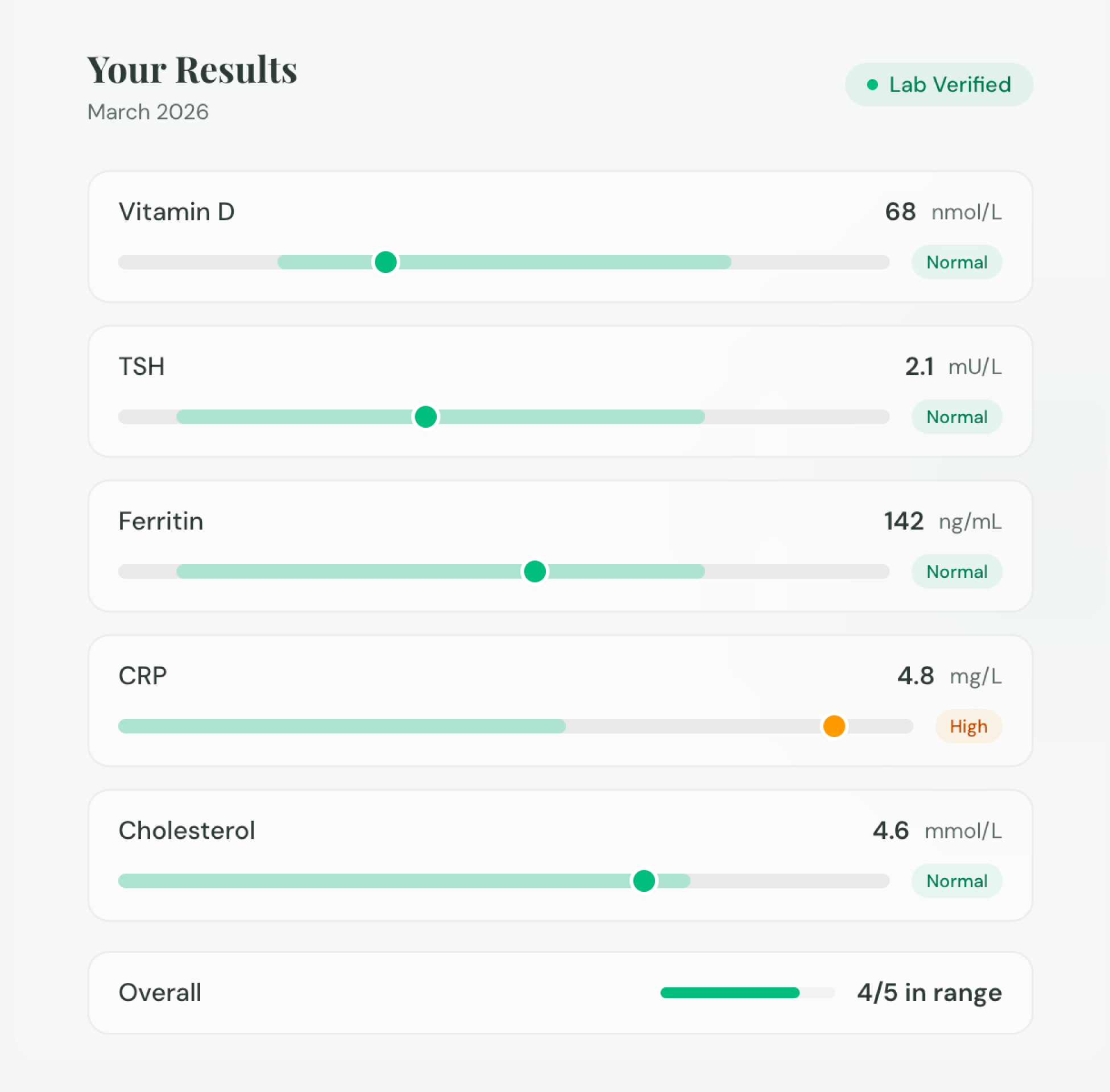
Each marker is shown with your value and its reference range. An eGFR above 90 is generally considered normal. Values between 60 and 89 may or may not indicate something, depending on other factors. An eGFR below 60 on repeated testing may suggest reduced kidney function that warrants further evaluation.
With a kidney values blood test, a single number says little on its own. Your report includes an explanation for each marker, and we recommend discussing the result with a doctor, especially if values fall outside the expected range or if you have risk factors.
Preparation
No special preparation is usually needed for this test. Arriving well hydrated may make the blood draw more comfortable and can support reliable results, as dehydration may temporarily affect your creatinine value.
Do you take medication? Then ask your doctor whether it might influence your kidney values before you test.
What happens after the results?
Your results are usually available online within a few working days. The report includes your values with reference ranges and a clear explanation. If a value falls outside the expected range, this is highlighted.
Every blood test result includes a professional assessment from a BIG-registered doctor. For treatment decisions, discuss your results with your GP.
Frequently Asked Questions
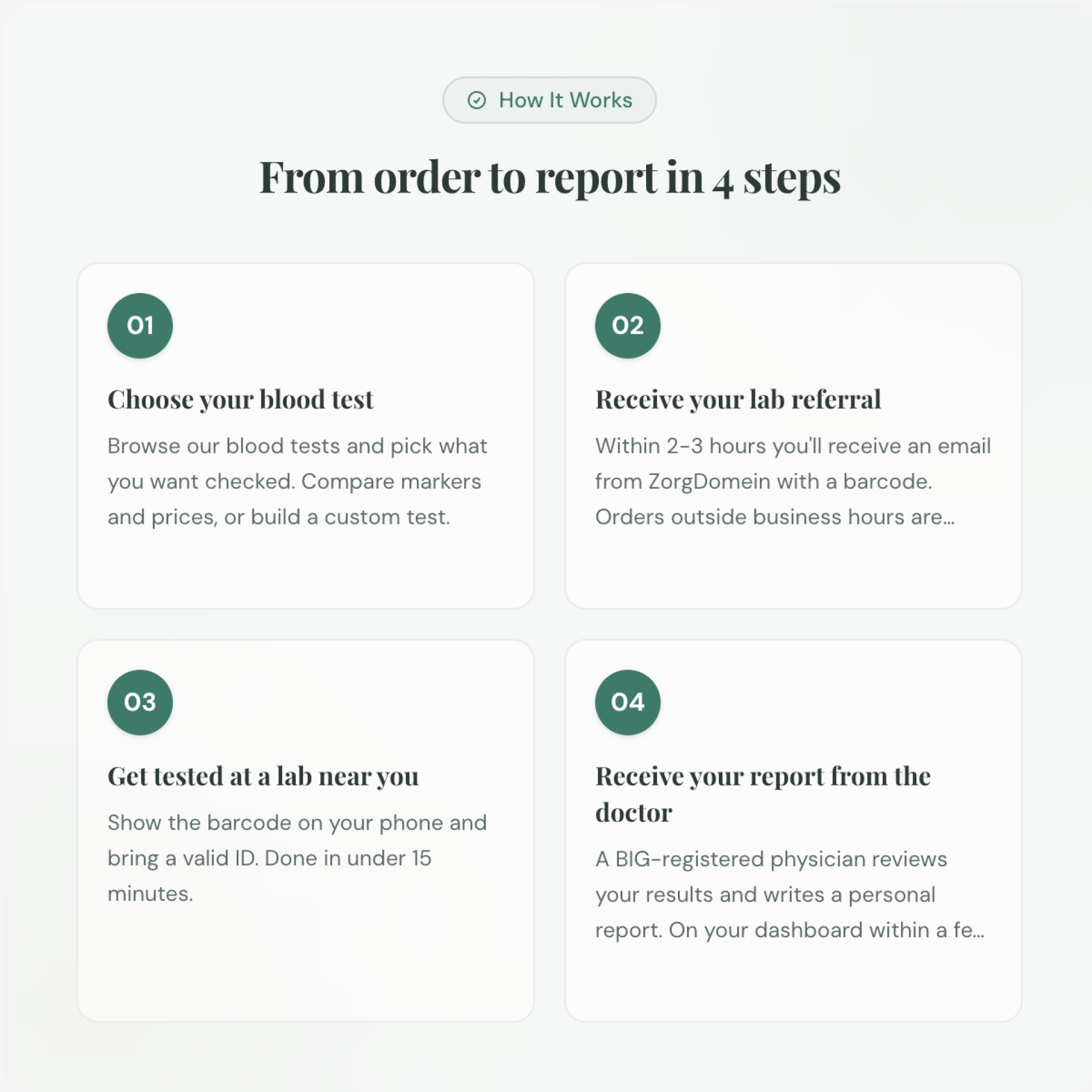
From order to report in 4 steps
A blood test without referral means no waiting. Just order and go.
Choose your blood test
Browse our blood tests and pick what you want checked. Compare markers and prices, or build a custom test.
Receive your lab referral
On the same business day you'll receive an email from ZorgDomein with a barcode. Orders outside business hours are processed the next business day.
Get tested at a lab near you
Show the barcode on your phone and bring a valid ID. Done in under 15 minutes.
Receive your report from the doctor
A BIG-registered physician reviews your results and writes a personal report. On your dashboard within a few business days.
Choose your blood test
Browse our blood tests and pick what you want checked. Compare markers and prices, or build a custom test.
Receive your lab referral
On the same business day you'll receive an email from ZorgDomein with a barcode. Orders outside business hours are processed the next business day.
Get tested at a lab near you
Show the barcode on your phone and bring a valid ID. Done in under 15 minutes.
Receive your report from the doctor
A BIG-registered physician reviews your results and writes a personal report. On your dashboard within a few business days.
Always a location near you
With 700+ certified phlebotomy points across the Netherlands.
What We Test
This health panel includes 3 biomarkers to give you a comprehensive picture of your health.
BUN (blood urea nitrogen) measures the amount of urea nitrogen in your blood, a waste product formed when the body breaks down protein. It is primarily used to evaluate kidney function and can be influenced by diet, hydration status, and liver health.
Learn moreCreatinine is a waste product generated by normal muscle metabolism that is filtered out of the blood by the kidneys. It is widely regarded as the gold standard marker for evaluating kidney function, as consistent production makes it a reliable indicator of filtration efficiency.
Learn moreeGFR (estimated glomerular filtration rate) is a calculated measure of how effectively your kidneys filter waste from the blood. It is the gold standard for diagnosing and staging chronic kidney disease and is derived from blood creatinine or cystatin C levels along with demographic factors.
Learn moreUrea (BUN)
KidneyBUN (blood urea nitrogen) measures the amount of urea nitrogen in your blood, a waste product formed when the body breaks down protein. It is primarily used to evaluate kidney function and can be influenced by diet, hydration status, and liver health.
BUN is a valuable marker for assessing how effectively your kidneys are filtering waste from your blood. Elevated levels may indicate that the kidneys are not functioning optimally, which can be associated with dehydration, kidney disease, or other underlying conditions. Monitoring BUN alongside other kidney markers such as creatinine and eGFR provides a more comprehensive picture of renal health and helps detect potential problems early.
Creatinine
KidneyCreatinine is a waste product generated by normal muscle metabolism that is filtered out of the blood by the kidneys. It is widely regarded as the gold standard marker for evaluating kidney function, as consistent production makes it a reliable indicator of filtration efficiency.
Creatinine is central to assessing kidney health. It is used to calculate the estimated glomerular filtration rate (eGFR), which is the primary measure for staging chronic kidney disease. Early detection of rising creatinine levels can prompt timely intervention, helping to slow the progression of kidney damage. Monitoring creatinine is also important for adjusting medication dosages, as many drugs are cleared by the kidneys.
eGFR (Estimated Glomerular Filtration Rate)
KidneyeGFR (estimated glomerular filtration rate) is a calculated measure of how effectively your kidneys filter waste from the blood. It is the gold standard for diagnosing and staging chronic kidney disease and is derived from blood creatinine or cystatin C levels along with demographic factors.
eGFR is the most important single measure for assessing overall kidney function. It is used internationally to diagnose chronic kidney disease, determine its stage, and guide treatment decisions. Regular eGFR monitoring allows early detection of kidney function decline, often before symptoms appear. This is critical because early intervention can significantly slow the progression of kidney disease and reduce the risk of complications such as cardiovascular disease.
Related biomarkers
Biomarkers often explored alongside this test for a fuller picture.
Citrate
Urinary citrate testing provides insight into your kidney stone risk. Maintaining healthy citrate levels is an important part of proactive kidney health management and stone prevention.
Creatinine (Urine)
Urinary creatinine testing helps assess kidney filtration efficiency and ensures accurate interpretation of other urine tests. It is a practical component of comprehensive health screening.
Cystatin C
Cystatin C is an advanced kidney function marker that provides a highly accurate estimate of filtration rate. When combined with creatinine testing, it offers the most comprehensive assessment of kidney health available.
Microalbumin (Urine)
Microalbumin testing is a proactive screening tool that detects early signs of kidney damage before symptoms develop. Regular monitoring supports timely intervention and helps maintain long-term kidney health.
Oxalate
Urinary oxalate testing helps assess your risk of calcium oxalate kidney stones. Proactive monitoring allows you to make informed dietary and hydration choices to support long-term kidney health.
Protein (Urine)
Proteinuria testing is a straightforward screening tool for kidney health. Detecting protein in urine early can help identify conditions such as kidney disease or diabetes-related kidney changes before significant damage occurs.
Related Health Panels
Discover more panels for a comprehensive health picture.
Liver Function
Liver Function Test (LFT).
Basic Health Checkup
Key health markers: CBC, lipids, and Vitamin D.
Complete Metabolic Panel
Comprehensive metabolic panel: electrolytes, kidney, liver, glucose, HbA1c, and protein.
This test not quite right?
Build your own blood test from 252+ individual biomarkers — choose exactly what you need.
Have a question?
Our team is happy to help. Ask your question and we'll respond as soon as possible.