Vegetarian
Key nutrients at risk on a plant-based diet: Ferritin, CBC, B12, Vitamin D, Zinc, Magnesium.
Every result includes a professional assessment from a BIG-registered doctor. For treatment decisions, discuss your results with your GP.
Zinc is essential for immune resilience and wound healing. Regular monitoring helps ensure adequate levels for your body's defence and repair systems.
This test measures the level of zinc in your blood serum. It helps assess your zinc nutritional status and can indicate deficiency or excess.
Zinc supports immune defence, reproductive health, skin integrity, and cognitive function. Deficiency is common worldwide and may affect many aspects of health. Consult your healthcare provider for personalised advice.
Testing may be recommended if you experience frequent infections, slow wound healing, hair loss, or changes in taste or smell. Vegetarians and those with digestive conditions may benefit from monitoring.
Low zinc may affect testosterone production and immune function. Consider zinc supplementation (15-30 mg daily) with food.
High zinc may impair copper absorption and immune function. Reduce zinc supplementation.
Low zinc may affect immune function and skin health. Consider zinc supplementation (15-25 mg daily) with food.
High zinc may impair copper absorption and immune function. Reduce zinc supplementation.
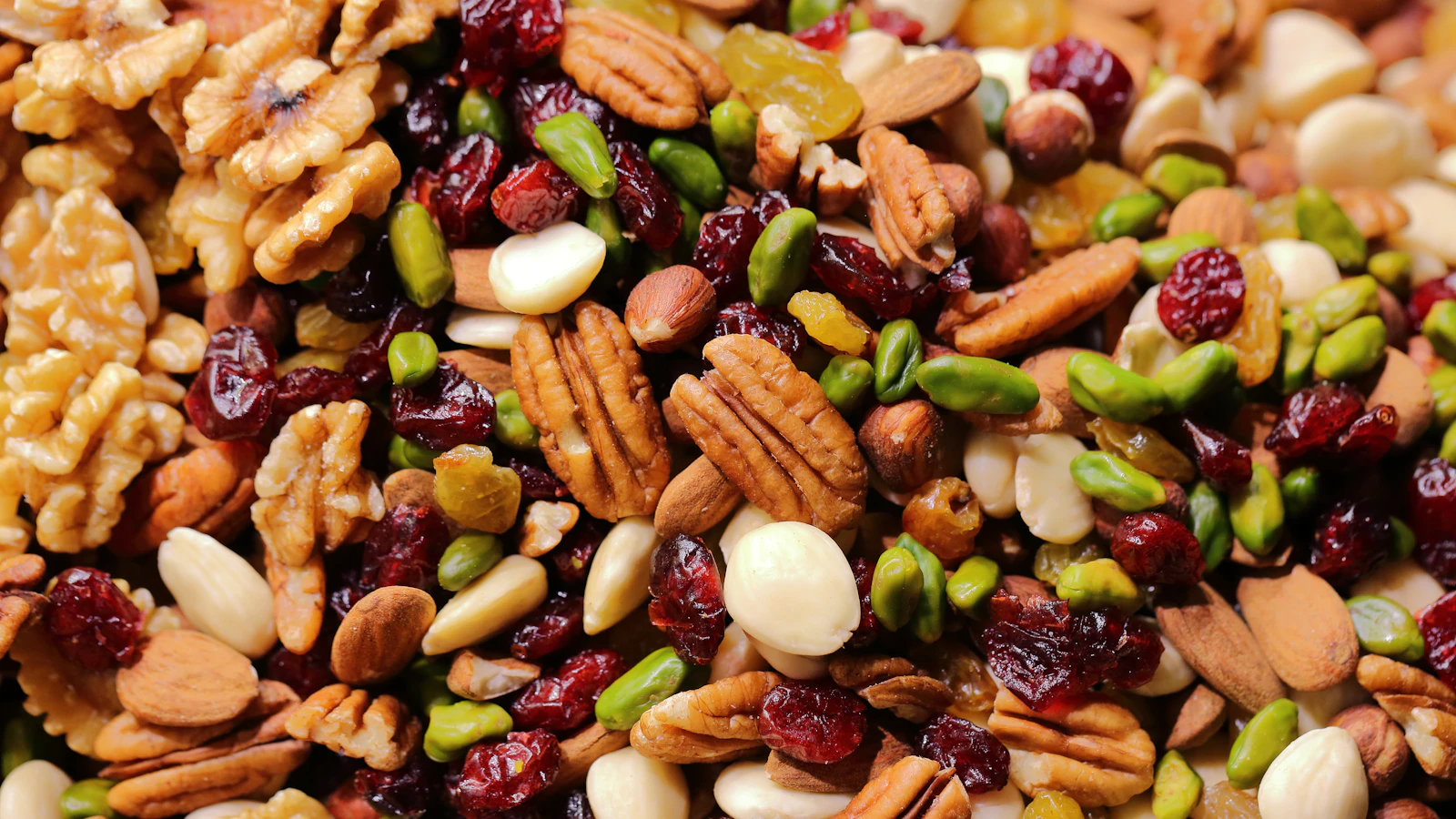
Include zinc-rich foods such as oysters, red meat, poultry, beans, nuts, and whole grains. If you follow a plant-based diet, soaking and sprouting grains and legumes may improve zinc absorption.
This marker is included in the following test panels.
Key nutrients at risk on a plant-based diet: Ferritin, CBC, B12, Vitamin D, Zinc, Magnesium.