"Your creatinine is slightly raised." For many people that sounds alarming, but in someone who trains hard three times a week it is often just muscle mass. Creatinine is not a direct meter of your kidneys; it is a waste product from your muscles that your kidneys happen to filter out. That distinction decides whether a value is worrying or not.
My stance: a single creatinine without context is almost useless. Only with your eGFR, your muscle mass and the trend alongside it does it become a usable signal.
What is creatinine?
Creatinine is produced when creatine phosphate, the fast energy source in your muscles, breaks down. It is made continuously and filtered by your kidneys out of your blood and excreted in your urine. If your kidneys work less well, creatinine builds up in your blood. A rising creatinine can therefore be a sign of reduced kidney function, but not always.
Creatinine normal values
Reference values differ per laboratory but usually sit around:
- Men: 60 to 110 umol/L.
- Women: 45 to 90 umol/L.
The difference is largely due to the higher average muscle mass in men. Athletes and people with a lot of muscle can have a slightly higher creatinine without any kidney problem.
Creatinine too high or too low: what can it mean?
An abnormal creatinine does not always have to do with your kidneys. The table below helps you place the value in context.
| Pattern | Possible causes | What it can mean |
|---|---|---|
| Creatinine raised, eGFR low | Reduced kidney function, long-standing high blood pressure or diabetes | May signal kidney damage; a repeat measurement and further work-up are worthwhile |
| Creatinine raised, eGFR normal | High muscle mass, intensive training, high protein intake | Often physiological and not a kidney problem |
| Creatinine raised, temporary | Dehydration, a hard training session shortly before the draw | Usually transient; repeat at rest and well hydrated |
| Creatinine low | Low muscle mass, malnutrition, sometimes liver disease | Rarely worrying, but a reason to review the context |
eGFR: the better measure of your kidney function
Alongside the raw creatinine, the laboratory usually calculates your eGFR. It corrects your creatinine for age and sex and gives a better picture of your actual filtering rate. The Dutch Kidney Foundation (Nierstichting) uses the eGFR as the main measure to grade kidney damage: above 90 is normal, 60 to 89 is mildly reduced, and below 60 is a reason for monitoring. That is why your doctor looks at your eGFR and not just the bare creatinine number.
Creatinine or cystatin C: when which one?
Because creatinine depends so much on your muscle mass, it sometimes falls short. In someone with very little muscle, such as a frail older adult, creatinine can paint too rosy a picture. Then cystatin C is useful: this filtering marker is largely independent of your muscle mass and sometimes gives a fairer picture of your eGFR. In athletes with a lot of muscle, cystatin C can also clarify whether a high creatinine is really about the kidneys or simply about the biceps. In practice creatinine remains the first choice, with cystatin C used when the result does not match the clinical picture.
How to prepare for a reliable measurement
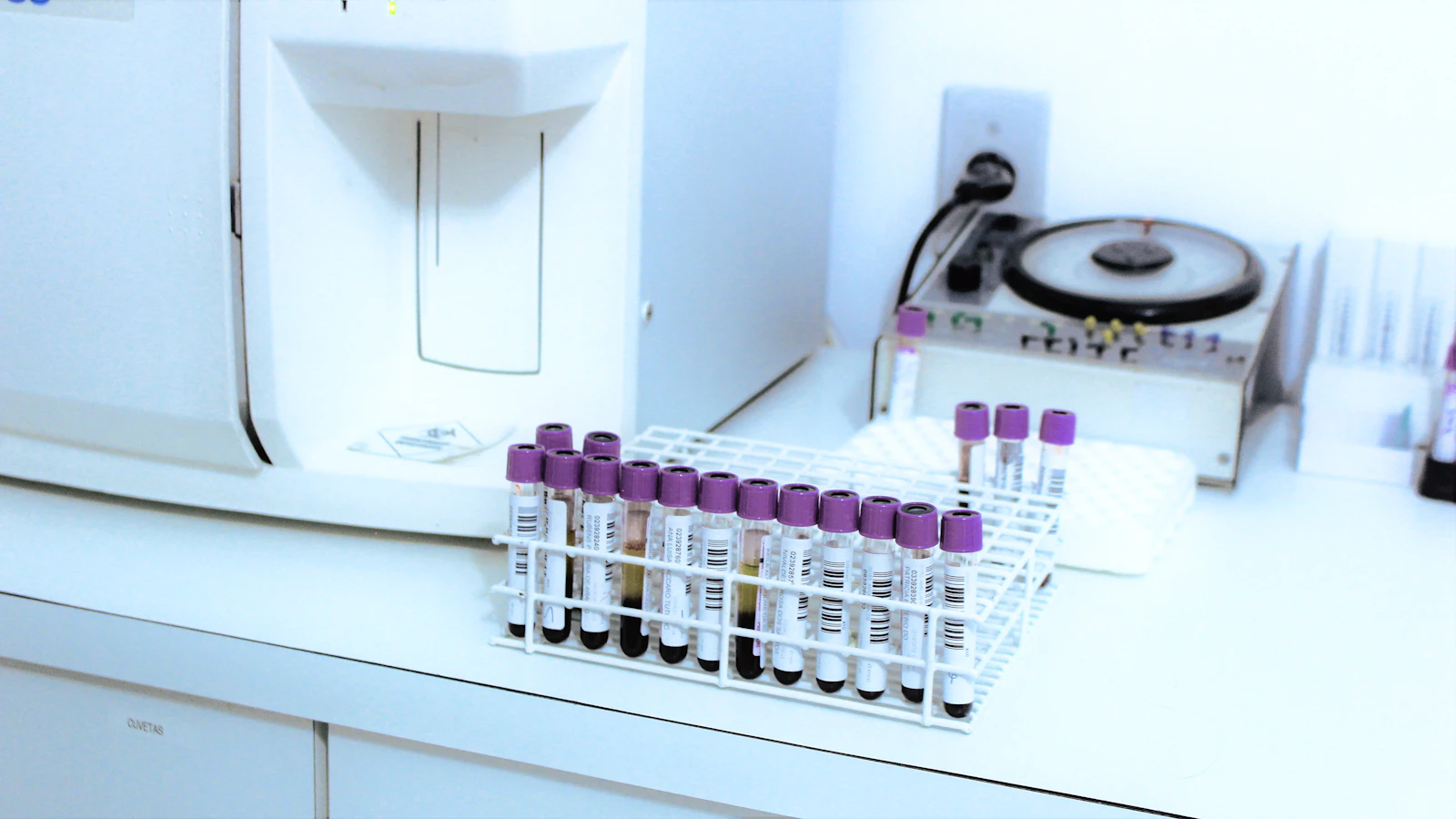
A few simple things make your result more reliable. In the hours before the draw, drink water normally, because dehydration can artificially raise creatinine. Do not schedule the blood draw right after a hard workout, since muscle damage temporarily pushes the value up. An extremely high-protein meal or a large portion of cooked meat just before the draw can also raise creatinine slightly. Tell your doctor which medications you use, because some affect the measurement or the kidney function itself.
What do you do with an abnormal value?
The Dutch College of General Practitioners (NHG) stresses that a one-off mild deviation is rarely immediately worrying. It is wiser to repeat the measurement at rest, well hydrated, and preferably not just after hard training. If the value stays raised or your eGFR falls over time, further investigation is warranted. What you can do yourself to spare your kidneys is covered in kidney function blood test.
Want to measure your creatinine and eGFR? You can with the Kidney Function test or, for a broader picture including liver and metabolism, the Complete Metabolic Panel, with assessment by a doctor.
Frequently asked questions
Do I need to fast for a creatinine measurement?
Strict fasting is not required, but a very high-protein meal shortly before can raise creatinine slightly. A morning fasting draw is the most reliable.
Can strength training raise my creatinine?
Yes, both through more muscle mass and through temporary muscle damage after training. That is physiological, not a sign of kidney damage. Preferably do not schedule your blood draw right after a hard session.
Is a slightly raised creatinine dangerous?
Not necessarily. In a healthy person with a lot of muscle mass it can be normal. With repeatedly raised values or a falling eGFR, further investigation is sensible.
Does a creatine supplement affect my creatinine value?
Yes, a little. Creatine as a sports supplement can slightly raise your blood creatinine without your kidneys working any worse. Mention its use to your doctor so the result can be read in that light.
What is the difference between creatinine and urea?
Both are waste products the kidneys filter, but urea is more sensitive to your fluid balance and protein intake. That is why they are often viewed together: creatinine and eGFR for the filtering function, urea as an additional signal.
Author
Vitalcheck
Dr. Naimi, BIG-registered physician, oversees the medical standards behind our content and assessments. Read our medical policy